




Can I Put a Pocket Knife in a Checked Bag? What Travelers and Buyers Should Know

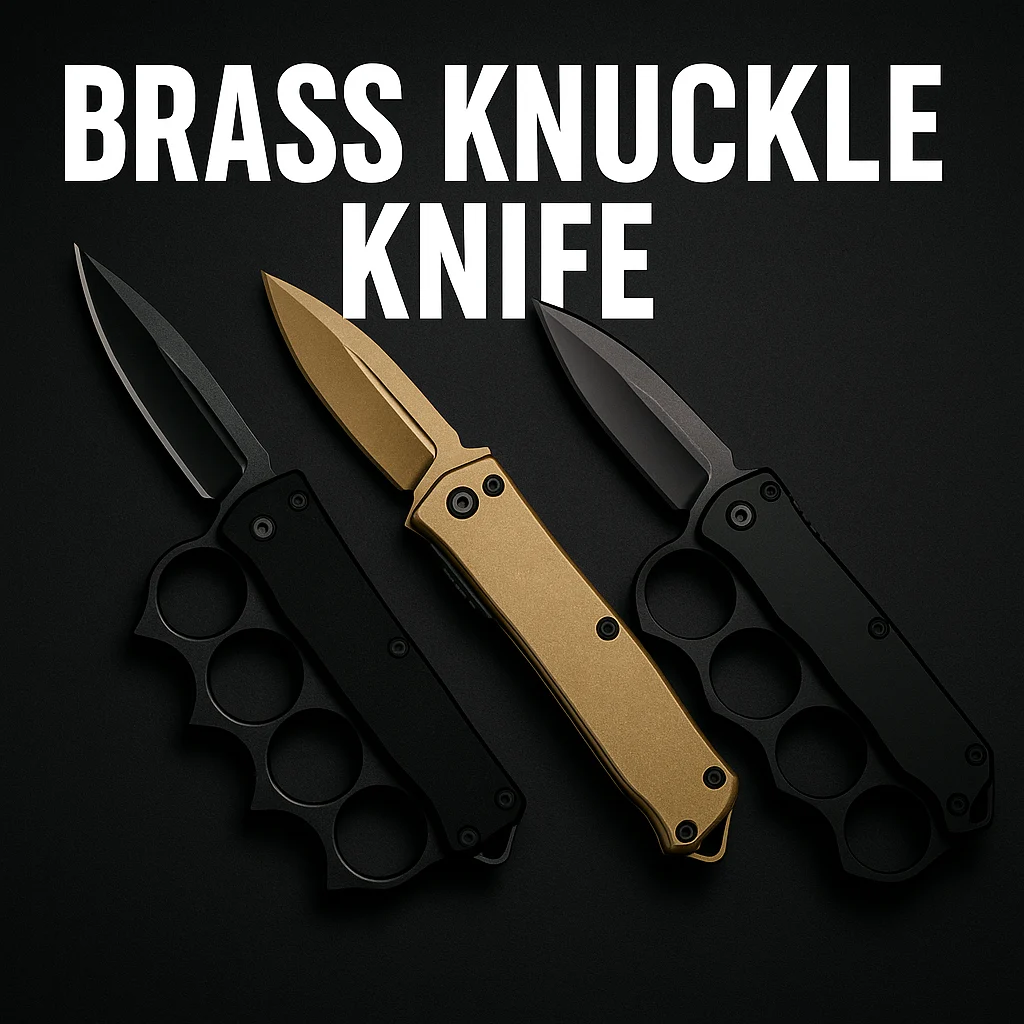
Yes, in many cases you can put a pocket knife in a checked bag, but you should never assume that means it is automatically allowed everywhere. Airline policies, airport security rules, and the laws at your destination can all affect what is permitted, so the safest approach is to verify the rules before you travel. If you are a shopper, retailer, or wholesale buyer, the key is understanding that checked baggage is usually the proper place for a pocket knife, while carry-on bags are not.
What the general travel rule usually means
For most travelers in the United States, small folding knives and pocket knives are commonly allowed in checked luggage as long as they are stored safely and comply with the airline and destination rules. The important distinction is that checked baggage is screened differently from carry-on luggage. A pocket knife in a carry-on bag is usually not allowed, while the same item in checked baggage is often acceptable.
That said, “usually allowed” is not the same as “always allowed.” Some airports, countries, and transportation systems have stricter requirements. If you are flying internationally, traveling through a connecting airport, or carrying a knife with unusual features, check the current rules before packing.
Why pocket knives are treated differently in checked bags
Security agencies focus on access. A knife in the cabin is immediately accessible, which is why carry-on restrictions are strict. In a checked bag, the knife is packed away with the rest of your luggage and is not available during the flight. That is the basic reason many travelers ask, “can I put pocket knife in checked bag,” and the answer is often yes when packed properly.
Even so, careless packing can create problems. A loose blade, an automatic opening mechanism, or a knife packed in an unsafe way may lead to delays, damage, or confiscation. Responsible packing matters just as much as the type of knife.
How to pack a pocket knife in checked luggage
If you decide to travel with a pocket knife in checked baggage, treat it like a sharp tool, not an everyday loose item. A few practical steps can help reduce issues:
- Close and secure the blade before packing.
- Place the knife in a sheath, pouch, or protective wrap to prevent accidental cuts.
- Pack it near the center of the suitcase so it is less likely to shift.
- Avoid loose placement where it could puncture fabric or damage other items.
- Keep the knife clean and dry if you are traveling with carbon steel or decorative finishes.
If you are carrying multiple folding knives for work, retail display, or a buying trip, separate them neatly and label your storage if needed. That makes inspection easier if your bag is opened.
Common mistakes travelers make
One of the most common mistakes is assuming a small knife is harmless because it is “just a pocket knife.” Airport screening does not usually make exceptions based on size alone. Another frequent issue is packing a knife in a carry-on by accident when switching bags at the last minute. Travelers also sometimes forget that a knife legal at home may still be restricted at their destination.
Other mistakes include packing a knife with a partially open blade, leaving it unsecured in a toiletry bag, or traveling with a knife that has a spring-assisted or automatic opening feature without checking whether it is allowed where you are going. When in doubt, choose a simpler folding design and pack it safely in checked luggage only.
What buyers should look for in a travel-friendly folding knife
For retail customers and B2B buyers, travel-friendliness is often about design, not just blade length. A folding knife with a secure lock, compact profile, and durable handle can be easier to transport and display. Buyers who stock everyday carry products often look for models that are practical, easy to explain to customers, and suitable for general utility use.
Useful buyer criteria include:
- Closed length that fits easily in a pouch or case
- Reliable locking mechanism for safer handling
- Sturdy pocket clip if the knife is intended for everyday carry
- Blade steel and finish that match the intended use
- Handle material that offers grip and durability
- Packaging that protects the knife during shipping and storage
Wholesale buyers often prefer folding knives that are easy to merchandise and simple for staff to explain. If you are building a knife assortment for a store or online catalog, browse the folding knife wholesale category for options that suit everyday utility and resale.
Airline and destination rules still matter
Even if your pocket knife is packed in checked baggage, local rules can still affect your trip. Some destinations have restrictions on blade length, opening mechanism, or public carry. Cruise lines, trains, and event venues may also have separate policies. International travel adds another layer, because customs and local law may treat knives differently from your home country.
For that reason, travelers should verify three things before departure: the airline’s baggage policy, the airport or security authority’s current guidance, and the laws at the destination. If any of those are unclear, it is better to leave the knife at home or ship it separately if lawful and practical.
Buying pocket knives for resale with travel use in mind
If you sell pocket knives to consumers, it helps to stock products that are clearly described and responsibly presented. Customers often ask whether a knife can be packed for travel, so the packaging and product description should support safe, lawful ownership rather than hype. Clear blade dimensions, lock type, open length, and intended utility use make it easier for buyers to make informed choices.
For distributors and store owners, consistency matters. A well-chosen wholesale assortment can reduce returns and customer confusion. Look for models that balance value, build quality, and practical design. If your customers include campers, tradespeople, collectors, and EDC shoppers, a variety of folding styles can serve different needs without overcomplicating inventory.
Responsible travel and storage tips
Knives should always be treated as tools that require care. Before traveling, make sure the blade is clean, the pivot is functioning properly, and the lock engages as intended. If a knife is damaged, loose, or difficult to close, it is not a good candidate for travel. A small maintenance check can prevent problems at the airport and help preserve the knife during transit.
If you are flying with several items in checked luggage, keep the knife away from electronics, fragile goods, and anything that could be scratched or cut. A simple protective sleeve or a dedicated gear pouch is often enough. For sellers shipping knives to customers, similar care in packaging reduces damage and improves the unboxing experience.
Quick FAQ
Can I put a pocket knife in a checked bag on most flights?
In many cases, yes. Pocket knives are commonly allowed in checked luggage, but you should always verify airline, airport, and destination rules before traveling.
Can I carry a pocket knife in my hand luggage instead?
Usually no. Pocket knives are generally not allowed in carry-on bags because they are considered sharp objects that should not be accessible in the cabin.
Does blade size matter?
Sometimes. Some places care about blade length or opening style, while others focus mainly on whether the knife is in checked baggage. Check local rules rather than relying on size alone.
What is the safest way to pack it?
Close the blade, secure it in a pouch or sheath, and place it in the center of your checked suitcase so it cannot shift or damage other items.
Should wholesale buyers worry about travel rules?
Yes, especially if your customers ask about travel use. Stocking clearly described folding knives and sharing general packing guidance can help reduce confusion and support better customer service.
For most travelers, the practical answer is that a pocket knife belongs in checked baggage, not in a carry-on. But the best approach is still to confirm the rules before you fly, pack the knife safely, and keep local laws in mind. That simple habit protects your gear, avoids unnecessary delays, and helps ensure the knife is carried responsibly.