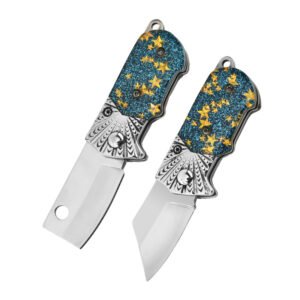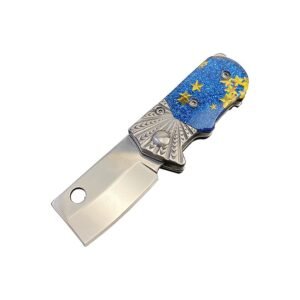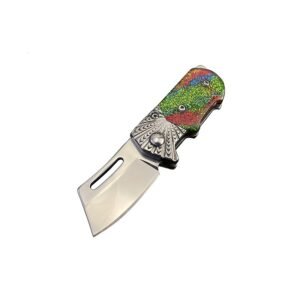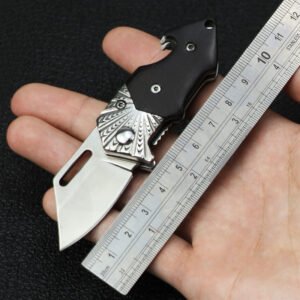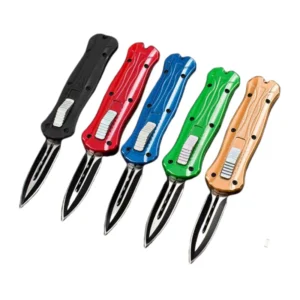


Can You Carry a Pocket Knife? What Buyers Should Know

Short answer
Learn when you can carry a pocket knife, what laws and store policies to check, and how to choose a folding knife for safe, responsible everyday carry.
In this article
- 01 What “Can You Carry a Pocket Knife” Really Means
- 02 Common Places Where Pocket Knives May Be Restricted
- 03 Workplaces
- 04 Schools and government buildings
- 05 Travel and transportation
- 06 Private property
- 07 How to Choose a Pocket Knife for Everyday Carry
- 08 What Buyers Often Overlook Before Carrying a Pocket Knife
- 09 Safety and Responsible Carry Matter
- 10 Wholesale Buyers: What to Stock for Real-World Demand
- 11 How to Talk to Customers About Pocket Knife Carry
- 12 Practical FAQ
- 13 Is it legal to carry a pocket knife everywhere?
- 14 Are small folding knives easier to carry legally?
- 15 Can I carry a pocket knife at work?
- 16 What should I look for in an everyday carry knife?
- 17 Should I buy different pocket knives for different regions?
- 18 Final Takeaway
Yes, many people can carry a pocket knife, but whether it is allowed depends on local laws, workplace rules, school policies, travel restrictions, and even the knife’s size or opening style. If you are buying for personal use, retail resale, or wholesale distribution, the safest approach is to treat pocket knife carry as a location-specific issue and verify the rules before you buy or stock a model.
What “Can You Carry a Pocket Knife” Really Means
In everyday conversation, the question is usually about a folding knife that fits in a pocket and is used for light utility tasks. That can include opening packages, cutting cord, trimming materials, or handling outdoor chores. But “can you carry” is not a single yes-or-no answer everywhere. A knife that is acceptable in one city may be restricted in another, and a knife that is fine at home may not be allowed in a courthouse, airport, school, or some workplaces.
For shoppers and resellers, the key point is that carry rules often depend on a mix of factors:
- Blade length
- Whether the knife is folding or fixed blade
- One-handed opening features
- Local concealed carry or prohibited-knife rules
- Private property and employer policies
Because those rules vary, it is smart to treat any guidance as general information only and confirm the current local requirements where the knife will be carried or sold.
Common Places Where Pocket Knives May Be Restricted
Even if pocket knife carry is generally allowed in your area, some places commonly have stricter rules. Buyers should pay attention to these situations before carrying or stocking a model.
Workplaces
Many employers permit small utility knives only for approved tasks, while others ban them entirely. Offices, warehouses, construction sites, and retail stores may all have different rules. If you are a distributor or retail buyer, it helps to ask how your customers will actually use the knife.
Schools and government buildings
Schools, courthouses, and other government facilities often have strict entry policies. A knife that is legal to own may still be prohibited on the premises.
Travel and transportation
Air travel is a common trouble spot. Pocket knives are generally not allowed in carry-on luggage, and transportation rules can change by country or carrier. If your customers travel frequently, that is an important buying consideration.
Private property
Stores, event venues, and other private properties can set their own rules. A posted policy or security check may matter more than general carry laws.
How to Choose a Pocket Knife for Everyday Carry
If you are asking whether you can carry a pocket knife, the next question is often which one makes sense. For practical everyday carry, buyers usually want a knife that is compact, reliable, and easy to handle responsibly.
Useful features to compare include:
- Blade length: Smaller blades are often easier to carry legally and socially, though rules still vary.
- Closed length and weight: A slimmer knife is more comfortable in a pocket for daily use.
- Locking mechanism: A secure lock adds confidence during utility tasks.
- Opening action: Smooth, controlled opening is helpful, but local rules may treat assisted or fast-opening knives differently.
- Handle material: G10, aluminum, stainless steel, and textured polymers each offer different grip and durability characteristics.
- Blade steel: Stainless steels are popular for corrosion resistance, while tool steels can offer strong edge retention depending on the design.
For wholesale buyers, it is wise to stock a range of sizes and styles so customers can choose based on their comfort level and local rules. A balanced assortment helps avoid overcommitting to a single knife profile that may not fit every market.
What Buyers Often Overlook Before Carrying a Pocket Knife
Many first-time buyers focus only on blade shape or appearance, but carry comfort and compliance matter just as much. Here are common mistakes to avoid.
- Buying without checking local rules: A knife that looks harmless may still be restricted where you live.
- Ignoring workplace policy: Even a small knife can create problems if it is not approved on the job.
- Choosing a knife that is too large: Bigger is not always better for everyday carry.
- Overlooking the pocket clip: Clip position affects comfort, concealment, and how quickly the knife can be accessed for legitimate tasks.
- Skipping basic maintenance: A dull blade or loose pivot can make a knife less useful and less safe for utility work.
Retailers and resellers should also watch for customer confusion around opening styles, blade length, and local legality. Clear product descriptions reduce returns and help buyers choose more responsibly.
Safety and Responsible Carry Matter
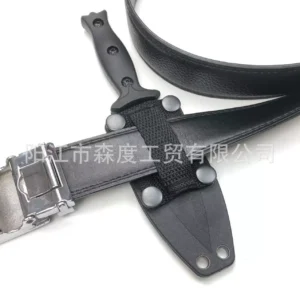
Carrying a pocket knife responsibly starts with storage and handling. Keep the knife secured in a pocket, sheath, or organizer designed for the model. Do not leave it loose in a bag where it can be damaged or accidentally opened. If the knife has a pocket clip, make sure it is seated properly and not worn out.
It is also important to use a pocket knife for ordinary utility tasks, not as a tool for threats or intimidation. Responsible ownership means knowing when not to carry, especially in places with strict policies or crowded public settings. If you are stocking knives for a store or wholesale account, it helps to include product information that encourages lawful, practical use.
Wholesale Buyers: What to Stock for Real-World Demand
For wholesale sourcing, the best pocket knife assortment usually covers a few clear use cases rather than chasing every trend. Many buyers want simple folders that are easy to carry, durable enough for daily tasks, and comfortable for a broad range of users.
If you are building inventory, consider models that balance these qualities:
- Compact size for pocket carry
- Dependable lockup
- Low-maintenance materials
- Versatile blade shapes for utility work
- Good value for repeat customers
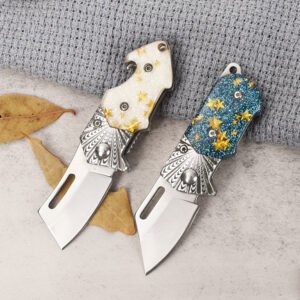
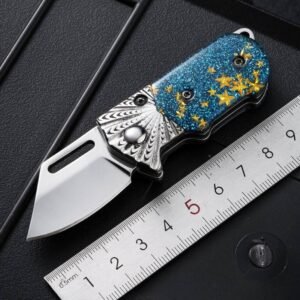
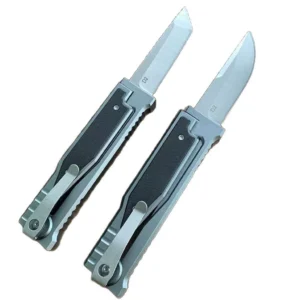
You can explore a broader selection in the folding knife wholesale category if you are comparing everyday carry options for store shelves, online listings, or distributor orders. A varied folding knife lineup helps serve customers who want something small for daily carry as well as those looking for heavier-duty utility folders.
How to Talk to Customers About Pocket Knife Carry
If you sell knives, customers often appreciate simple, practical guidance rather than legal jargon. A useful approach is to explain that carry rules depend on location and that buyers should check their local laws and property policies before carrying. That keeps the conversation accurate without making promises that may not apply everywhere.
You can also guide shoppers by asking a few practical questions:
- Will this knife be used at work, at home, outdoors, or while traveling?
- Does the customer prefer lightweight carry or a sturdier tool?
- Are there size or opening restrictions in the customer’s area?
- Does the customer want a discreet pocket carry option or a larger utility folder?
These questions help match the right knife to the right user and reduce post-purchase disappointment.
Practical FAQ
Is it legal to carry a pocket knife everywhere?
No. Laws and policies vary by place. A pocket knife may be allowed in one setting and restricted in another, so always verify local rules before carrying.
Are small folding knives easier to carry legally?
Often, smaller folding knives are easier to accommodate, but size alone does not determine legality. Opening style, blade type, and location can also matter.
Can I carry a pocket knife at work?
Sometimes, but only if your employer allows it. Many workplaces have their own safety policies, especially in offices, warehouses, schools, and customer-facing environments.
What should I look for in an everyday carry knife?
Look for a comfortable size, secure lock, durable materials, and a design that fits your daily tasks. For many users, a compact folding knife is the most practical choice.
Should I buy different pocket knives for different regions?
If you sell across multiple markets, that can be a smart idea. Carry rules vary, so a mix of compact, utility-focused folders may better match customer needs.
Final Takeaway
You can often carry a pocket knife, but the real answer depends on where you are, how the knife is designed, and what rules apply in that setting. For shoppers, the safest path is to choose a practical folding knife, verify local and workplace policies, and carry it responsibly. For wholesale buyers and retailers, stocking a thoughtful range of everyday folding knives gives customers more usable choices while keeping compliance and convenience in mind.