

How to Use a Knife Steel Safely and Effectively


Short answer
Learn how to use a knife steel to maintain a sharp edge, avoid common mistakes, and choose the right steel for home, retail, and wholesale buyers.
Key Takeaways
- Knife rules can vary by state, city, blade style, opening mechanism, carry method, and intended use.
- Do not treat a product nickname as a legal category; check the actual features and local rule.
- Retailers should keep legal or safety language factual and avoid promising that one item is allowed everywhere.
Terms Used Here
- OTF
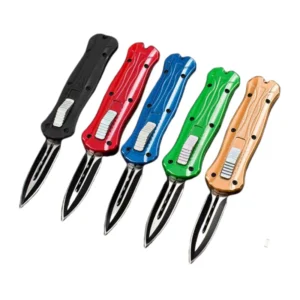
- Out-the-front; a knife design where the blade moves forward from the front of the handle.
In this article
- 01 What a knife steel actually does
- 02 How to use a knife steel the right way
- 03 Step-by-step handling basics
- 04 Choose the right steel for the blade type
- 05 Common mistakes to avoid
- 06 How often should a knife steel be used?
- 07 What retailers and wholesale buyers should look for
- 08 Simple care habits that make a difference
- 09 Practical FAQ
- 10 Is a knife steel the same as a sharpener?
- 11 Can any knife be used on a steel?
- 12 How do I know if I am using the correct angle?
- 13 Should a steel be used before every cut?
- 14 What is the best option for store buyers?
- 15 The bottom line
If you want to keep a knife cutting cleanly between full sharpenings, a knife steel is one of the simplest tools you can use. The basic idea is to realign the edge, not grind away a lot of metal, so the knife feels sharper and performs better for everyday kitchen or work tasks. Used correctly, a knife steel can extend the life of a blade, improve consistency, and reduce the need for frequent sharpening.
What a knife steel actually does
A knife steel is often called a honing steel, but the term can be confusing. It does not usually “sharpen” in the same way a stone does. Instead, it helps straighten and refresh the edge after normal use. Over time, a knife edge can bend slightly or lose alignment from cutting, washing, and storage. A steel brings that edge back into line so the blade slices more efficiently.
This is why many cooks, butchers, and knife users reach for a steel regularly rather than waiting until the knife feels completely dull. It is a maintenance tool, not a repair tool. If a blade is very dull or damaged, it will still need proper sharpening before honing makes much difference.
How to use a knife steel the right way
For most standard kitchen knives, the process is straightforward: hold the steel securely, place the heel of the knife near the top of the rod, and draw the blade down and across the steel in a smooth motion. Repeat on the other side, keeping the angle consistent. The goal is light, controlled contact rather than force.
A practical approach is to use a moderate angle, often around 15 to 20 degrees for many kitchen knives, though the exact angle depends on the blade design. Keep the motion even from heel to tip. A few passes on each side are usually enough. If you are pressing hard or making many strokes, the knife may need sharpening instead of honing.
Step-by-step handling basics
- Stand on a stable surface with good lighting.
- Grip the steel firmly at the handle and point the tip downward onto a towel or cutting board.
- Place the knife heel near the top of the steel.
- Pull the blade down and toward you in a controlled sweep, keeping a steady angle.
- Repeat on the opposite side with the same number of strokes.
- Wipe the blade clean before use.
If you are training staff in a retail kitchen, restaurant, or production setting, consistency matters more than speed. A calm, repeatable motion helps prevent slips and keeps the edge in better shape over time.
Choose the right steel for the blade type
Not every knife steel works the same way. Traditional smooth steels are common for routine edge alignment. Fine-grooved steels can offer a bit more bite, while ceramic options are more abrasive and may remove a small amount of material. Diamond-coated tools are even more aggressive and are better thought of as light sharpeners than everyday honing tools.
For buyers sourcing products for stores or resale, the best choice depends on the customer base. Home cooks often prefer a simple, easy-to-understand steel. Professional users may want a heavier-duty option with a comfortable grip and durable construction. If you stock a range of blade styles, consider whether your customers use softer stainless kitchen knives, harder Japanese-style blades, or utility knives that see frequent daily use.
Wholesale buyers can also benefit from offering a few price points. Entry-level models are good for general household use, while premium steels with better handles, balanced weight, and stronger finishes appeal to serious knife owners. If you are building a mixed assortment, you may also want to review the OTF and auto knife wholesale category for customers who buy knives as part of a broader edged-tool selection.
Common mistakes to avoid
One of the biggest mistakes is using too much pressure. A knife steel is not meant to force the edge back into shape. Heavy pressure can damage the blade, scratch the finish, or make the edge less consistent. Another common error is using the wrong angle every time, which can lead to uneven results and a knife that still feels dull.
It is also a mistake to rely on a steel for a blade that truly needs sharpening. If a knife slips on tomato skin, crushes herbs, or struggles through paper, the edge may be worn down rather than just misaligned. In that case, a stone, guided sharpener, or professional service is a better next step.
Storage matters too. A steel should be kept dry and clean, especially in commercial kitchens or retail inventory rooms where moisture can cause rust on lower-quality finishes. For buyers evaluating products to stock, handle comfort and finish quality are worth checking closely because they affect both safety and customer satisfaction.
How often should a knife steel be used?
There is no single schedule that works for every knife. A busy kitchen knife may benefit from quick honing before or after a shift, while a home chef’s knife might only need it every few uses. The best cue is performance. If the edge starts to feel less precise but is not yet truly dull, a steel is usually the right maintenance step.
Frequent light use is usually better than waiting too long. That said, over-honing on a worn blade will not solve the problem. If a knife keeps losing its edge quickly, the steel may be fine, but the blade itself may need proper sharpening or replacement.
What retailers and wholesale buyers should look for
For B2B buyers, the right knife steel is not just about function. It is also about customer trust, display appeal, and return rates. A good product should feel balanced in the hand, offer a secure grip, and have a rod length suitable for common kitchen knife sizes. Packaging should clearly explain whether the product is a honing steel, ceramic steel, or diamond-coated tool so customers know what they are buying.
When sourcing for retail shelves or online listings, look at durability, handle material, hanging options, and whether the item fits beginner or professional use. Products that are easy to understand usually convert better because shoppers can match them to their own knives without confusion. If you are planning a broader knife-care assortment, it can help to pair steels with sharpeners, storage items, and maintenance accessories in one buying cycle. For bulk inquiries, you can also use the wholesale inquiry form to discuss product fit and order volume.
Simple care habits that make a difference
A knife steel lasts longer when it is cared for properly. Wipe it after use, keep it dry, and avoid dropping it on hard floors. If the surface becomes dirty or lightly marked, clean it according to the manufacturer’s guidance. For ceramic and coated models, handle them with a little extra care because they can be more brittle than traditional steels.
It also helps to teach customers that knife care is a system. A steel maintains the edge, while proper washing, drying, and storage protect the blade. Using a cutting board made from wood or quality plastic and avoiding glass or stone surfaces will also reduce wear.
Practical FAQ
Is a knife steel the same as a sharpener?
Not exactly. A steel is mainly for honing and edge maintenance, while a sharpener removes material to create a new cutting edge. If the knife is only slightly off, steel may be enough. If it is dull, sharpening is needed.
Can any knife be used on a steel?
Many kitchen knives can, but very hard or specialty blades may need specific care. Always check the knife maker’s guidance, especially for Japanese-style edges or coated blades.
How do I know if I am using the correct angle?
A steady, repeatable angle is more important than chasing a perfect number. Start with a moderate angle and keep your strokes consistent. If the knife still performs poorly, the issue may be dullness rather than angle.
Should a steel be used before every cut?
No. It is a maintenance tool, not something to use constantly. Most users hone periodically, depending on how often the knife is used and what it cuts.
What is the best option for store buyers?
For general retail, a durable, easy-to-use steel with clear labeling is often the safest choice. For commercial or enthusiast buyers, carrying a few types can help match different knife styles and price points.
The bottom line
Using a knife steel well comes down to light pressure, a steady angle, and knowing when honing is enough versus when sharpening is needed. For everyday users, it is one of the most practical ways to keep a knife working smoothly. For retailers and wholesale buyers, it is also a dependable add-on item that supports knife sales and helps customers care for what they buy. When you choose quality construction and clear product positioning, the result is better performance for end users and fewer surprises after the sale.