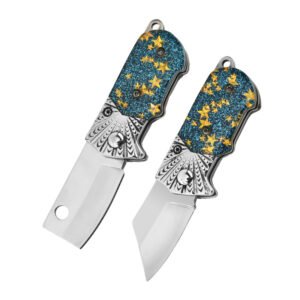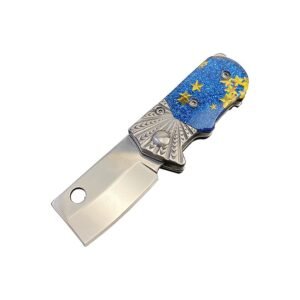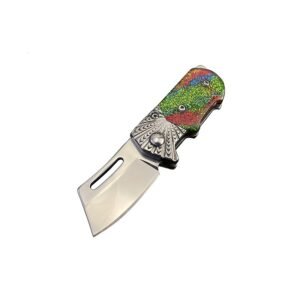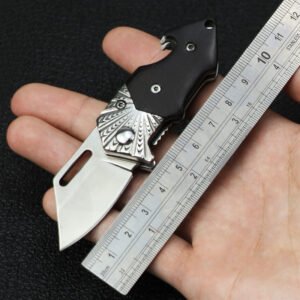


Is 1095 Good Knife Steel?


Short answer
Learn whether 1095 is good knife steel, how it performs in real use, what to watch for when buying, and when it makes sense for retail or wholesale inventory.
In this article
- 01 What 1095 steel is really known for
- 02 Is 1095 a good knife steel for daily use?
- 03 How 1095 compares with other common knife steels
- 04 1095 vs stainless steel
- 05 1095 vs newer high-carbon tool steels
- 06 1095 vs premium steels
- 07 What matters more than the steel name
- 08 Who is 1095 best suited for?
- 09 Common mistakes buyers make with 1095 knives
- 10 Practical care tips for 1095 owners
- 11 Is 1095 good knife steel for wholesale and retail buyers?
- 12 FAQ: what shoppers usually want to know
- 13 Does 1095 hold an edge well?
- 14 Will a 1095 knife rust?
- 15 Is 1095 better than stainless?
- 16 Is 1095 a good knife steel for beginners?
- 17 What should wholesale buyers ask before ordering?
- 18 The bottom line
Yes, 1095 can be a very good knife steel if you want a blade that is easy to sharpen, tough enough for hard use, and usually affordable. It is not the best choice for every buyer, though. Compared with modern stainless steels, 1095 needs more care because it can rust more easily and does not hold an edge as long in some cutting tasks. For many shoppers, retailers, and wholesale buyers, that tradeoff is exactly what makes it attractive: reliable performance, straightforward maintenance, and strong value.
If you are asking whether 1095 is a good knife steel for everyday carry, outdoor use, or resale, the short answer is that it depends on the blade design, heat treatment, and the customer’s expectations. A well-made 1095 blade can perform very well. A poorly treated one can feel dull quickly or chip sooner than expected. That is why steel alone never tells the full story.
What 1095 steel is really known for
1095 is a high-carbon steel with relatively simple chemistry. In plain terms, it is valued because it can take a keen edge, sharpen quickly, and handle impact better than some harder, more brittle steels when the heat treatment is done right. Many buyers like it because it feels practical and familiar rather than overly specialized.
For knife users, the main strengths usually include:
- Easy sharpening: It responds well to common stones and tools, which is helpful for customers who maintain their own blades.
- Good toughness: In many blade styles, it can stand up to rougher use without feeling fragile.
- Affordable pricing: It often appears in budget-friendly and mid-range knives, which matters for retail and wholesale stocking.
- Traditional appeal: Many buyers appreciate simple carbon steel for its straightforward performance and classic feel.
The main limitation is corrosion resistance. 1095 is not stainless, so moisture, fingerprints, and storage conditions matter more than they would with stainless options.
Is 1095 a good knife steel for daily use?
For daily use, 1095 can be a strong choice if the buyer is willing to do basic care. It is especially appealing to customers who sharpen their own knives, use them in dry environments, or prefer a steel that is easy to bring back to a working edge.
It can be less ideal for someone who wants a low-maintenance blade that stays in a pocket, truck, or tool bag for long periods without attention. In those settings, a stainless steel may be more forgiving. That said, many knife owners happily use 1095 every day as long as they wipe the blade clean, dry it after exposure to moisture, and apply light oil when needed.
For store buyers and distributors, this makes 1095 a practical inventory category. It appeals to customers who know what they are getting: a dependable carbon steel knife with real value, not a maintenance-free blade.
How 1095 compares with other common knife steels
When shoppers ask whether 1095 is a good knife steel, they usually want to know how it stacks up against more familiar options. The best comparison depends on the buyer’s priorities.
1095 vs stainless steel
Stainless steel is better for rust resistance and convenience. 1095 is often better for easy sharpening and a traditional carbon-steel feel. If a customer wants minimal upkeep, stainless usually wins. If they want a blade that sharpens quickly and can be maintained with simple tools, 1095 has a strong case.
1095 vs newer high-carbon tool steels
Some modern steels offer better edge retention or more balanced performance. Still, 1095 remains popular because it is predictable, cost-effective, and easy to service. For many buyers, that simplicity is a feature, not a drawback.
1095 vs premium steels
Premium steels may hold an edge longer or resist corrosion better, but they also cost more and can be harder to sharpen. For wholesale buyers, the question is often not which steel is “best” in the abstract, but which steel fits the customer base and price point. 1095 can be the right answer for value-focused collections, work knives, and traditional-style blades.
What matters more than the steel name
A common mistake is judging a knife only by the steel label. With 1095, heat treatment is especially important. Two knives made from the same steel can perform very differently if one is properly hardened and tempered while the other is not.
Buyers should look at these factors:
- Heat treatment quality: This affects hardness, toughness, and edge stability.
- Blade thickness and grind: A well-designed grind can make a 1095 knife cut better and feel more balanced.
- Intended use: A camp knife, EDC blade, and display piece do not need the same performance profile.
- Finish and coating: Protective finishes can help reduce corrosion concerns.
- Handle and sheath quality: A good blade still needs practical ergonomics and safe carry or storage.
For wholesale sourcing, these details matter because customer satisfaction depends on the whole knife, not just the steel type. A retailer stocking 1095 knives should know whether the product is aimed at collectors, outdoor users, or everyday buyers who want value and easy maintenance.
Who is 1095 best suited for?
1095 makes the most sense for buyers who are comfortable with regular care and want a blade that is easy to sharpen. It is often a good fit for:
- Outdoor users who expect to maintain their gear
- Shoppers who prefer carbon steel over stainless
- Retail customers looking for an affordable work knife
- Collectors who appreciate traditional steel choices
- Wholesale buyers building price-conscious inventory with proven demand
It may be less suitable for customers who want a knife for humid environments, marine use, or long-term storage without maintenance. In those cases, corrosion resistance should be a top priority.
Common mistakes buyers make with 1095 knives
People often run into trouble when they expect 1095 to behave like stainless steel. That is the biggest misunderstanding. Another mistake is assuming all 1095 knives are equal. In reality, poor heat treatment, thin coatings, or weak finishing can affect performance far more than the steel designation itself.
Here are a few buying mistakes to avoid:
- Ignoring maintenance needs: If the customer will not clean and dry the blade, 1095 may not be the best match.
- Choosing only by price: Very cheap knives can cut corners on heat treatment and finish.
- Overlooking blade geometry: A great steel in a poor design may still underperform.
- Assuming rust is a defect: With carbon steel, light care is normal and expected.
- Buying for the wrong environment: Moist, salty, or high-humidity conditions call for more corrosion resistance.
Practical care tips for 1095 owners
Good care can make a big difference in how long a 1095 knife performs well. The basics are simple and easy to explain to customers at retail.
- Wipe the blade dry after use, especially after exposure to water or food acids.
- Store it in a dry place rather than leaving it in a damp sheath or bag.
- Apply a light protective oil if the knife will sit unused for a while.
- Sharpen before the edge becomes very dull to keep maintenance easier.
- Check for spotting or discoloration and address it early.
These habits are straightforward, which is one reason 1095 remains popular with buyers who value hands-on ownership. It rewards basic care without requiring specialized equipment.
Is 1095 good knife steel for wholesale and retail buyers?
For wholesale and retail buyers, 1095 is often a smart category because it covers a clear market niche. Many customers want a knife that feels traditional, sharpens easily, and stays affordable. That combination can move well in stores and online, especially when the product page explains the care expectations clearly.
If you are sourcing for resale, look for consistency in finish, reliable heat treatment, and honest product descriptions. It also helps to match the steel to the right style of knife. A buyer shopping for a rugged blade may respond well to 1095, while a customer seeking a low-maintenance carry knife may prefer stainless.
For businesses expanding knife inventory, it can be useful to compare 1095 models with other categories in your lineup. If you are building a broader assortment, you can browse the OTF and automatic knife wholesale category for another popular segment that serves a different kind of customer.
FAQ: what shoppers usually want to know
Does 1095 hold an edge well?
Yes, it can hold a useful working edge well, especially when the knife is heat treated properly. It may not match some premium steels for long edge retention, but it sharpens much more easily than many harder steels.
Will a 1095 knife rust?
It can rust if neglected. That does not make it a bad steel; it just means the owner should clean, dry, and store it properly.
Is 1095 better than stainless?
Neither is universally better. Stainless is usually easier to maintain, while 1095 is often easier to sharpen and can feel better suited to traditional or hard-use blades.
Is 1095 a good knife steel for beginners?
It can be, especially for beginners who want to learn basic knife care and sharpening. If the user wants a very low-maintenance blade, stainless may be simpler.
What should wholesale buyers ask before ordering?
Ask about heat treatment, blade finish, intended use, and care expectations. If you are planning a larger purchase, it is also smart to confirm product consistency and availability through the wholesale inquiry form.
The bottom line
So, is 1095 good knife steel? Yes, for the right buyer. It offers easy sharpening, solid toughness, and strong value, which makes it a dependable choice for many knife users and a practical option for retail and wholesale assortments. Its weakness is corrosion resistance, so the best results come when the user understands basic care and the seller presents the knife honestly. If you match 1095 to the right customer, it can be one of the most satisfying steels to own and sell.