

Can You Bring a Pocket Knife in Checked Luggage?

Short answer
Learn whether you can bring a pocket knife in checked luggage, what airline and airport rules usually say, and how to pack knives safely for travel.
In this article
- 01 What the usual travel rule means
- 02 How to pack a pocket knife in checked luggage safely
- 03 What kinds of pocket knives raise more questions
- 04 Automatic or assisted-opening knives
- 05 Large blades and specialty tools
- 06 Collector or gift knives
- 07 Common mistakes travelers make
- 08 How this affects retailers and wholesale buyers
- 09 What to do before you fly
- 10 Practical FAQ
- 11 Can you bring a pocket knife in checked luggage on most flights?
- 12 Do I need to declare a pocket knife in checked baggage?
- 13 Can I pack a pocket knife with other tools?
- 14 What happens if airport staff find a knife in my carry-on?
- 15 Are all folding knives treated the same?
- 16 Final thoughts
If you are wondering whether you can bring a pocket knife in checked luggage, the short answer is usually yes, as long as the knife is packed properly and you follow the rules that apply to your airline, destination, and any connecting airports. Pocket knives are generally not allowed in carry-on bags, but they are commonly permitted in checked baggage. That said, local laws, airline policies, and international border rules can still affect what is allowed, so it is always smart to verify before you travel.
For shoppers, retailers, and resellers, this question comes up often because folding knives are practical everyday tools, but travel rules can be confusing. A simple mistake in packing can lead to delays, confiscation, or extra screening. Knowing how to store a knife correctly in checked luggage helps protect the blade, your other items, and the people handling your bag.
What the usual travel rule means
In many places, pocket knives are treated as sharp objects that are prohibited in the cabin but allowed in checked baggage. The reason is straightforward: checked luggage is not accessible to passengers during the flight, so small tools like folding knives are usually less of a security concern there. Even so, the knife should be secured so it does not accidentally open or damage the bag.
Think of this as a general travel guideline, not a universal guarantee. Some countries, airports, or airlines may have stricter requirements, and certain types of knives may face additional restrictions. If you are traveling internationally, customs rules can matter just as much as airline rules.
How to pack a pocket knife in checked luggage safely
Good packing matters more than many travelers realize. A pocket knife tossed loosely into a suitcase can puncture fabric, damage electronics, or create a hazard for baggage handlers. A few simple precautions can help.
- Close and lock the blade if the knife has a lock mechanism.
- Place the knife in a sheath, case, or protective wrap to reduce contact with other items.
- Store it inside a hard-sided pouch or a well-padded compartment when possible.
- Keep it away from loose items such as keys, pens, chargers, or coins.
- Pack it in the center of the suitcase rather than near the edges where impact is more likely.
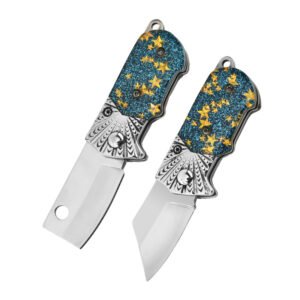
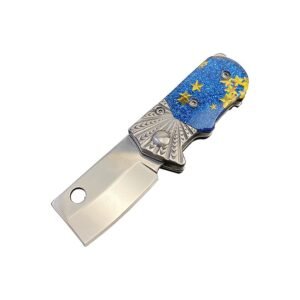
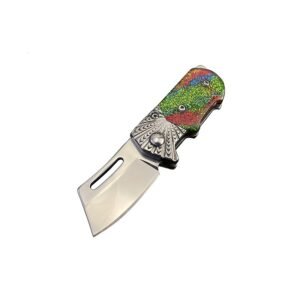
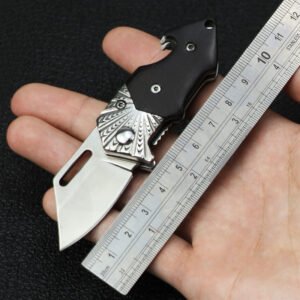
If you sell or buy folding knives in volume, it also helps to think about packaging quality. A knife with a secure clip, smooth closing action, and durable handle material is easier to store safely than a loose or poorly finished product. That is one reason many buyers look for reliable models through a folding knife wholesale category like folding knife wholesale options, especially when they need consistent quality for retail or distribution.
What kinds of pocket knives raise more questions
Not all pocket knives are treated the same in practice. A basic folding knife with a manual opening mechanism is usually the least complicated to travel with in checked baggage. Other designs may deserve a closer look before you pack them.
Automatic or assisted-opening knives
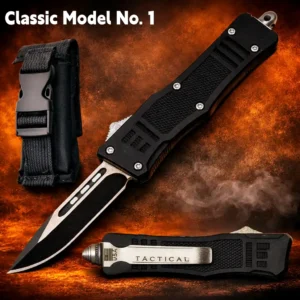
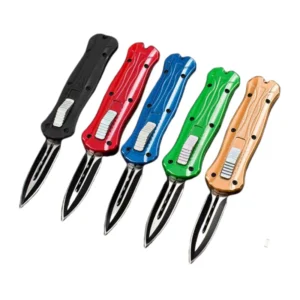
Some regions place extra limits on automatic knives, switchblades, or assisted-opening designs. Even if a knife is allowed in checked luggage in one jurisdiction, it may be restricted or prohibited elsewhere. If you are traveling across state or national lines, check the destination rules before you leave.
Large blades and specialty tools
Oversized folding knives, multi-tools with substantial blades, and specialty cutting tools can attract more attention during screening. The larger the blade and the more tactical the appearance, the more important it is to confirm the rules in advance.
Collector or gift knives
If you are traveling with a knife as a collectible item, gift, or retail sample, keep documentation handy when appropriate. Receipts, product labels, and basic product information can help explain what the item is if questions come up during inspection.
Common mistakes travelers make
Most problems are avoidable. The biggest mistake is assuming that because a knife is small, it is automatically fine everywhere. Another common issue is forgetting that checked baggage still gets handled by people and machines, so a poorly packed knife can become a safety problem.
- Putting the knife in a carry-on by accident
- Leaving the blade exposed
- Wrapping the knife in clothing only without real protection
- Traveling without checking destination laws
- Assuming one airline’s policy applies to every leg of the trip
Another mistake is packing a knife with items that may trigger extra inspection, such as batteries, lighters, or other restricted goods. Keeping sharp tools organized separately can make airport screening smoother.
How this affects retailers and wholesale buyers
For retail store owners, distributors, and online sellers, travel rules matter because customers often ask practical questions before buying. A folding knife that is easy to store, clearly described, and responsibly packaged is easier to sell with confidence. Buyers tend to appreciate products that come with clear blade length details, opening style information, and basic care guidance.
Wholesale sourcing can also help you choose models that fit your customer base. For example, a general-purpose everyday carry knife may be more appealing to buyers than a heavily specialized design if your shoppers are looking for simple utility and travel-friendly storage. When selecting inventory, consider:
- Blade size and local legality
- Opening mechanism
- Locking system
- Handle material and durability
- Packaging quality for safe storage and display
These details matter whether you are stocking a storefront, building an online catalog, or sourcing products for resale. Clear product information reduces returns and helps customers make better choices.
What to do before you fly
If you plan to travel with a pocket knife, a quick checklist can save time and stress:
- Confirm that the knife is allowed in checked baggage for your route.
- Review airline and airport policies before departure.
- Check destination and transit rules, especially for international travel.
- Pack the knife securely so it cannot open or move around.
- Keep it out of carry-on bags entirely.
- Be prepared to remove it from your luggage if a rule changes at the last minute.
If you are unsure, the safest move is to leave the knife at home or ship it through a lawful method that complies with local regulations. That may be especially important for business travelers who cross multiple jurisdictions in one trip.
Practical FAQ
Can you bring a pocket knife in checked luggage on most flights?
Usually yes, but not always. Checked baggage is generally the correct place for a pocket knife, yet airline, airport, and country-specific rules can still change what is permitted.
Do I need to declare a pocket knife in checked baggage?
In many cases, no special declaration is required for a standard pocket knife, but some destinations or carriers may have different procedures. If you are unsure, check with the airline before flying.
Can I pack a pocket knife with other tools?
Yes, but it is better to keep sharp items organized and protected. A multitool or knife set should be packed so blades cannot move freely or damage other belongings.
What happens if airport staff find a knife in my carry-on?
It may be removed, delayed, or confiscated depending on the airport and local rules. In some cases, you may be allowed to return and check the item, but that is not something to count on.
Are all folding knives treated the same?
No. Blade length, opening style, lock type, and local laws can all affect how a folding knife is treated. That is why general travel advice should always be matched with current rules for your route.
Final thoughts
If you are asking whether you can bring a pocket knife in checked luggage, the practical answer is that it is often allowed when packed correctly, but the details matter. A secure, well-protected folding knife is far less likely to cause problems than a loose blade thrown into a suitcase. Before you travel, check the rules for your airline and destination, especially if you are crossing borders or carrying a specialty knife.
For wholesale buyers and resellers, this topic is also a reminder that customers value products that are easy to store, easy to explain, and responsibly packaged. The right folding knife is not just about the blade itself; it is also about usability, safety, and clear information that helps people own and transport it responsibly.