

Is M390 Good Knife Steel? What Buyers Should Know

Short answer
Learn whether M390 is good knife steel, how it performs in edge retention, corrosion resistance, and toughness, and what buyers should consider before purchasin
In this article
- 01 What makes M390 stand out?
- 02 Key performance traits
- 03 Is M390 a good knife steel for everyday carry?
- 04 Best for buyers who want:
- 05 Where M390 is strong, and where it has limits
- 06 What matters beyond the steel name
- 07 How M390 compares to common knife steels
- 08 What wholesale buyers should look for
- 09 Common sourcing criteria
- 10 Mistakes to avoid when buying M390 knives
- 11 How to care for an M390 blade
- 12 So, is M390 worth the money?
- 13 FAQ about M390 knife steel
- 14 Does M390 rust easily?
- 15 Is M390 hard to sharpen?
- 16 Is M390 better than cheaper stainless steels?
- 17 Is M390 good for heavy-duty use?
- 18 What type of buyer usually chooses M390?
If you want a straightforward answer: yes, M390 is generally considered a very good knife steel, especially for premium folding knives and everyday carry blades where edge retention and corrosion resistance matter most. It is not the best choice for every user, though. M390 can be harder to sharpen than simpler steels, and like many high-performance stainless steels, it works best when the knife maker has heat treated it properly.
What makes M390 stand out?
M390 is a powder metallurgy stainless steel known for combining strong wear resistance with excellent stain resistance. In practical terms, that means a well-made M390 knife can keep a sharp edge for a long time and handle moisture, sweat, and humid storage conditions better than many carbon steels. For buyers, that is one reason it shows up often in premium EDC folders, collector pieces, and higher-end tactical or utility knives.
Compared with entry-level steels, M390 usually offers a noticeable jump in edge life. Compared with some other premium steels, it tends to balance performance in a way many users appreciate: it is not the absolute toughest steel, but it is more than capable for normal cutting tasks when the knife design is sound.
Key performance traits
- Edge retention: One of M390’s biggest strengths. It can stay sharp through a lot of everyday cutting before needing maintenance.
- Corrosion resistance: Very good for a stainless steel, making it appealing for buyers in humid climates or for customers who may not maintain their knives constantly.
- Toughness: Solid for a premium wear-resistant steel, though not usually the first pick for heavy prying or impact-heavy use.
- Sharpening difficulty: More demanding than softer steels. It rewards proper sharpening tools and a patient approach.
Is M390 a good knife steel for everyday carry?
For many EDC users, yes, M390 is a very good knife steel. It is especially attractive for people who want a blade that holds an edge through repeated box opening, package cutting, food prep, light rope work, and general daily tasks. If a customer wants a knife that can go longer between touch-ups, M390 is often worth the higher price.
That said, everyday carry buyers should think about how they actually use their knife. If the blade will mostly open mail, break down cardboard, and handle light utility work, M390 can feel excellent. If someone expects to sharpen quickly with a basic pocket sharpener, they may prefer a steel that is easier to maintain in the field.
Best for buyers who want:
- Long edge life with less frequent sharpening
- Strong rust resistance for daily carry
- Premium feel and performance in a compact folder
- A knife that performs well in a variety of weather conditions
Where M390 is strong, and where it has limits
The biggest advantage of M390 is its ability to hold a working edge for a long time. That makes it appealing for customers who value convenience and consistent cutting performance. It also has a strong reputation in the knife market, which helps retail buyers and resellers position it as a premium option.
The main tradeoff is sharpening effort. Because M390 is highly wear resistant, it can take more time and better abrasives to restore a truly sharp edge. Buyers who are used to softer stainless steels may notice the difference immediately. Another point to keep in mind is that no steel can compensate for poor heat treatment. Two knives made from M390 can perform differently if one is treated well and the other is not.
What matters beyond the steel name
- Heat treatment: The maker’s process can have a major effect on real-world performance.
- Blade geometry: A thin, well-ground blade may cut better than a thick one, even in the same steel.
- Edge angle: A properly set edge can improve cutting feel and durability.
- Handle and lock design: A premium steel should be matched with reliable construction.
How M390 compares to common knife steels
Buyers often ask how M390 stacks up against other familiar steels. While exact comparisons vary by manufacturer and heat treatment, a few general patterns are useful.
Versus basic stainless steels, M390 usually gives much better edge retention and a more premium overall experience. Versus many mid-range steels, it is often a meaningful upgrade for users who want less sharpening. Versus some other high-end steels, the differences are more about balance than simple superiority. Some steels may sharpen more easily, while others may offer slightly different toughness or wear characteristics.
For store owners and distributors, this matters because M390 is not just a materials spec. It is a selling point that can support a higher retail price when the rest of the knife matches the steel’s quality level. Customers tend to accept the premium when they understand they are buying longer edge life and better corrosion resistance.
What wholesale buyers should look for
If you are sourcing knives in M390 for retail shelves, online listings, or distribution, focus on consistency and product positioning. A customer who pays for M390 expects a premium experience, so the knife should look and feel like one.
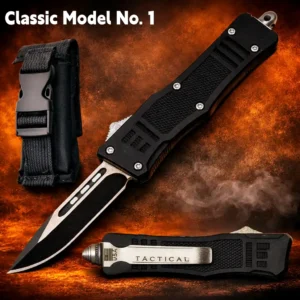
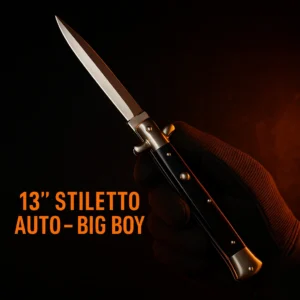
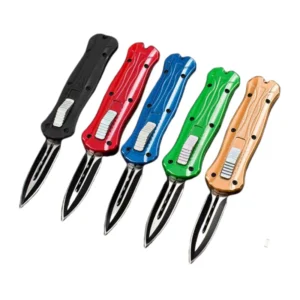
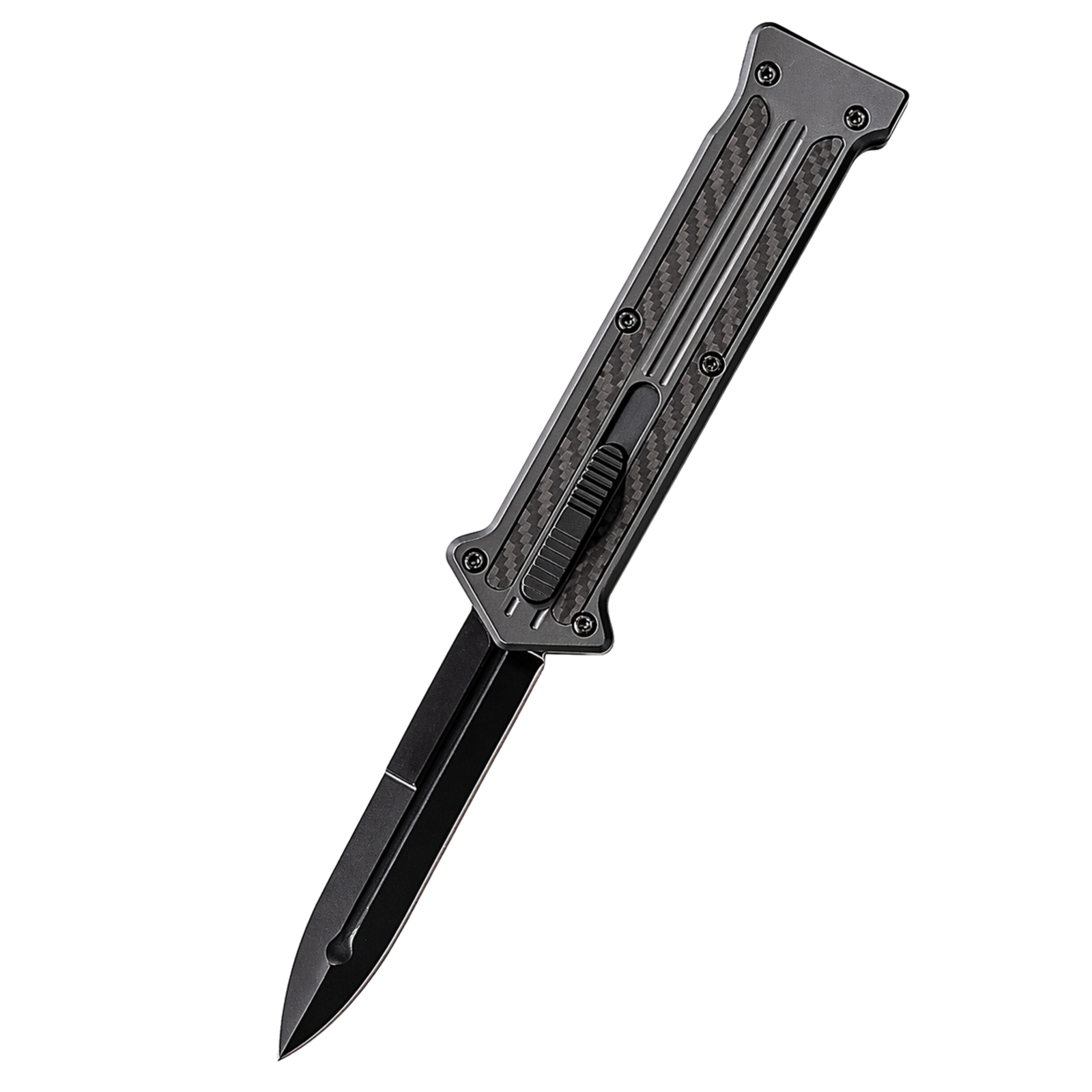
Check whether the supplier provides clear steel information, reliable build quality, and a design that fits the intended user. For example, a compact EDC folder with an M390 blade may appeal to office carry customers, while a larger auto knife may be better suited to buyers looking for a more aggressive style and fast deployment. If you carry automatic or OTF models, you can review the OTF and auto knife wholesale selection to compare formats and price points.
Wholesale buyers should also think about after-sales questions. Customers may ask how to sharpen M390, whether it will rust, and whether it is worth the upgrade over cheaper steels. Having simple, accurate answers can reduce returns and improve confidence at the point of sale.
Common sourcing criteria
- Verified steel specifications from the supplier
- Consistent heat treatment and fit-and-finish
- Blade style that matches the customer base
- Pricing that supports healthy retail margins
- Packaging and product details that help the knife sell cleanly online or in-store
Mistakes to avoid when buying M390 knives
One common mistake is assuming every M390 knife will perform the same. Steel quality is only part of the picture. A poorly designed or badly heat-treated knife can underperform even with a premium blade steel. Another mistake is buying M390 for a user who wants easy sharpening above all else. For those customers, a more forgiving steel may be a better fit.
It is also wise not to overstate what M390 can do. It is an excellent stainless steel, but it is still a knife steel, not a miracle material. Users should maintain the edge, clean the blade after use, and store the knife responsibly. For local rules on carry, transport, and ownership, always verify current laws in your area.
How to care for an M390 blade
Good care helps any knife steel perform better, and M390 is no exception. Wipe the blade clean after use, especially after exposure to moisture, food acids, or dirty work environments. Keep the pivot and locking areas clean on folding knives. If the blade begins to lose bite, touch it up before it becomes too dull, because maintenance is easier than full restoration.
For sharpening, many users get better results with quality stones, diamond plates, or guided systems designed for harder steels. Patience matters more than force. A careful sharpening routine will preserve the edge and help the knife keep the crisp cutting feel that makes M390 attractive in the first place.
So, is M390 worth the money?
For the right buyer, yes. M390 is worth considering if the goal is premium edge retention, strong corrosion resistance, and a blade that feels built for serious everyday use. It is especially attractive for customers who do not want to sharpen often and are comfortable paying more for higher performance. For resellers and wholesale buyers, it is also a strong feature to highlight when you want to position a knife above entry-level offerings.
If your customers want the best value in a premium stainless steel, M390 is often a smart choice. If they prioritize the easiest sharpening or the lowest purchase price, another steel may be more appropriate. The best answer depends on the user, the knife design, and the quality of the maker behind it. If you are building a premium assortment, you can send a wholesale inquiry to discuss options that fit your market.
FAQ about M390 knife steel
Does M390 rust easily?
No, M390 has very good corrosion resistance for a knife steel. It still benefits from normal care, especially after exposure to moisture, salt, or food residue.
Is M390 hard to sharpen?
It is harder to sharpen than softer steels because it is highly wear resistant. With the right sharpening tools and technique, it can still be maintained effectively.
Is M390 better than cheaper stainless steels?
In most cases, yes, especially for edge retention and corrosion resistance. Whether it is better for a specific customer depends on how they use and maintain their knife.
Is M390 good for heavy-duty use?
It is strong enough for many demanding cutting jobs, but it is not the first choice for abuse-focused tasks like prying or impact-heavy work. Blade design matters as much as steel choice.
What type of buyer usually chooses M390?
EDC users, collectors, retailers, and wholesale buyers looking for a premium stainless steel often choose M390 because it supports a higher-end product position and dependable everyday performance.