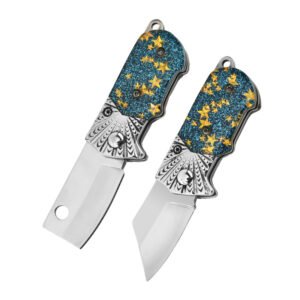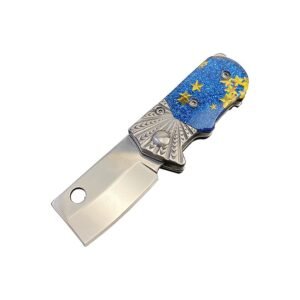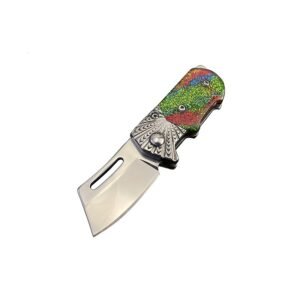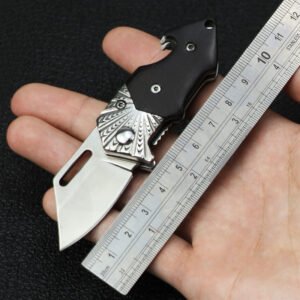


Can You Take a Pocket Knife in a Checked Bag?

Short answer
Learn whether you can take a pocket knife in a checked bag, how airlines and TSA-style screening generally treat folding knives, and what to check before you fl
In this article
- 01 What travelers usually need to know first
- 02 How to pack a pocket knife in checked luggage
- 03 Why pocket knives are treated differently from carry-on items
- 04 When the answer may change
- 05 Common mistakes people make with pocket knives and luggage
- 06 What wholesale buyers should look for in travel-friendly folding knives
- 07 Practical examples for travelers
- 08 Safety and responsibility still matter
- 09 FAQ
- 10 Can you take a pocket knife in a checked bag on a plane?
- 11 Can I pack a pocket knife with other tools in my suitcase?
- 12 What about a multi-tool with a blade?
- 13 Will airport security take it out of checked luggage?
- 14 Is it different for international flights?
- 15 What is the safest way to travel with a pocket knife?
If you are asking whether you can take a pocket knife in a checked bag, the general answer is yes, folding knives are usually allowed in checked luggage, but they are not allowed in carry-on bags. That said, the final decision depends on the airline, the airport, and the rules at your destination, so it is always smart to verify local regulations before you travel.
What travelers usually need to know first
For most U.S. flights, a pocket knife belongs in checked baggage, not in a carry-on. Security screening is much stricter for items you bring into the cabin, and even a small folding knife can be confiscated if it is found in a bag you plan to take through the checkpoint. Checked bags are handled differently, which is why many travelers, outdoor buyers, and business owners who carry everyday tools choose to pack knives there instead.
Still, “allowed in checked baggage” does not mean “no rules at all.” Some knives may face extra restrictions based on blade style, size, or local law. International travel can be especially different from domestic travel. If you are crossing borders, it is worth checking both the departure and arrival country’s rules before packing.
How to pack a pocket knife in checked luggage
If you are packing a folding knife for a trip, the goal is to keep it secure, easy to identify, and protected from damage. A loose knife rolling around in a suitcase is a bad idea for both safety and the knife itself.
- Close and lock the blade if the knife has a locking mechanism.
- Use a sheath, pouch, or original box to keep the knife from moving around.
- Place it inside a hard-sided case if you are traveling with multiple tools or higher-value items.
- Keep it away from soft items that could snag or be cut.
- Do not pack it where security staff could mistake it for a carry-on item if bags are opened for inspection.
For frequent travelers, a small organizer or tool roll can make packing easier. For retail buyers and resellers, this is also a useful selling point: customers often want knives that are compact enough to transport safely and sturdy enough to hold up under repeated use.
Why pocket knives are treated differently from carry-on items
The main reason is simple: cabin safety. Security rules are designed to reduce the chance that sharp objects are brought into the passenger area. A pocket knife may be a normal tool for camping, work, or daily tasks, but it still has a blade, so it is treated differently from items like nail clippers or small scissors with limited blade length in some jurisdictions.
Checked baggage is screened too, but the restrictions are generally less strict than for the cabin. That is why many travelers assume the answer to “can you take pocket knife in checked bag” is yes, and in many cases it is. The important part is not to assume every knife is automatically acceptable everywhere.
When the answer may change
There are a few situations where the usual guidance may not apply. These are the ones buyers and travelers should pay attention to:
- International travel: rules can differ by country, airline, and airport.
- Blade style: certain automatic, assisted-opening, or specialty knives may face extra scrutiny in some places.
- Local restrictions: some cities, states, or countries have strict laws on carry and transport.
- Connection points: if you are transiting through another country, that country’s rules may matter too.
- Returning goods for business: distributors and wholesale buyers moving sample stock should confirm shipping and transport rules before packing items with blades.
Because of these differences, it is best to treat any travel advice as general information rather than a guarantee. If you are unsure, check with the airline, the airport security authority, or the relevant government website before you fly.
Common mistakes people make with pocket knives and luggage
Many travel problems happen because of simple packing mistakes. Avoiding these can save time, money, and frustration at the airport.
- Putting the knife in a carry-on by accident. This is the most common issue and can lead to confiscation.
- Leaving the blade exposed. Even in checked baggage, an unsecured blade can damage clothing or luggage.
- Forgetting about multi-tools. Some travelers pack a multitool with a blade and assume it is fine because the rest of the tool is harmless.
- Not checking destination rules. What is acceptable in one place may not be acceptable in another.
- Packing valuable knives loosely. Collectible or higher-end folding knives should be protected from impact and moisture.
If you are a store buyer or online reseller, these points matter for customer education too. A product page or packing insert that explains safe storage and travel considerations can reduce returns and help customers use the knife responsibly.
What wholesale buyers should look for in travel-friendly folding knives
For retail stores, distributors, and wholesale buyers, it helps to think beyond the simple question of whether a pocket knife can go in a checked bag. Customers often want a folding knife that is practical, durable, and easy to store during travel. That means a few product features can make a real difference in sales and satisfaction.
Good buyer criteria often include:
- Compact folded size for easier packing and display.
- Reliable lockup so the blade stays closed when stored.
- Rust-resistant materials for travel and humid conditions.
- Comfortable handle design for everyday utility use.
- Sheath or packaging options that help protect the knife in transit.
Wholesale sourcing also matters if you want consistent quality across a product line. Buyers who stock folding knives for outdoor customers, EDC shoppers, or general hardware customers often benefit from a mix of sizes and finishes. If you are building out inventory, browse the folding knife wholesale category for options that fit different price points and customer needs.
Practical examples for travelers
Here are a few everyday scenarios that show how this works in practice.
Weekend camper: A small folding knife used for campsite tasks can usually be packed in checked luggage, especially if it is stored in a case and not mixed loosely with clothing.
Business traveler: A pocket knife carried for opening boxes or packages should not go in a carry-on. If it is needed after arrival, checked baggage is the safer place to pack it, assuming local rules allow it.
Retail buyer attending a trade show: If you are transporting sample knives or display pieces, organize them carefully and make sure each item complies with shipping and travel rules.
Reseller shipping inventory to an event: For bulk movement, it may be better to use a proper shipping method rather than relying on luggage, especially for larger quantities.
Safety and responsibility still matter
Even when a pocket knife is allowed in checked baggage, responsible ownership is important. Keep the knife closed when not in use, store it away from children, and use it only for lawful purposes. If you are traveling with other people, let them know there is a knife in the bag so nobody is surprised when packing or unpacking.
For buyers selling to the public, clear product descriptions and basic safety guidance can help reduce misuse. Customers appreciate straightforward information about storage, maintenance, and lawful transport. That kind of education builds trust and can lower complaints from travelers who are unsure about baggage rules.
FAQ
Can you take a pocket knife in a checked bag on a plane?
In general, yes, folding knives are usually allowed in checked baggage. They are typically not allowed in carry-on bags. Always verify the airline and destination rules before flying.
Can I pack a pocket knife with other tools in my suitcase?
Usually yes, but pack it securely so the blade cannot move around or damage other items. A pouch, sheath, or hard case is a smart choice.
What about a multi-tool with a blade?
Multi-tools that include a knife blade are generally treated like knives for air travel. If you are unsure, check the specific item against current baggage rules before you leave.
Will airport security take it out of checked luggage?
They may inspect checked bags if needed. If the knife is not permitted under the applicable rules, it could be removed or delayed. That is why checking ahead is important.
Is it different for international flights?
Yes, it can be. International travel often involves additional laws and airline policies, so you should verify the rules for every country involved in the trip.
What is the safest way to travel with a pocket knife?
Place it in checked baggage, keep the blade closed, use protective packaging, and confirm the rules for your route before you travel.
For shoppers and wholesale buyers alike, the best approach is simple: choose a well-made folding knife, pack it securely, and check the rules before you fly. That keeps travel smoother and helps ensure the knife arrives where you need it.