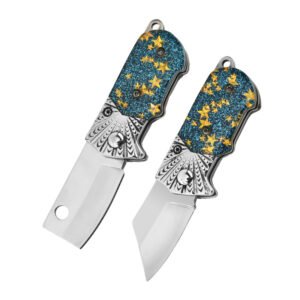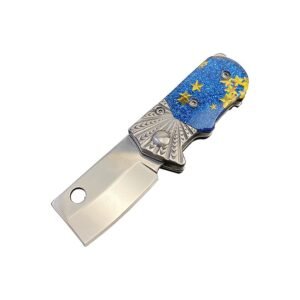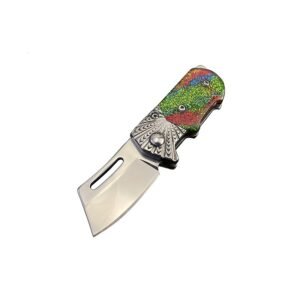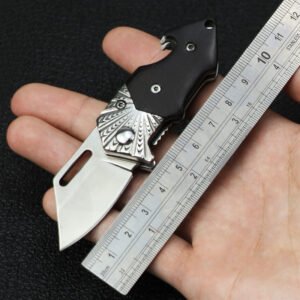


Can You Carry a Pocket Knife in NYC? What Buyers and Owners Should Know

Short answer
Learn the general rules around carrying a pocket knife in NYC, what to avoid, and how buyers can choose compliant folding knives for retail or wholesale sourcin
In this article
- 01 What people usually mean by a pocket knife in NYC
- 02 General rules to keep in mind before carrying one
- 03 Why blade design matters more than many buyers expect
- 04 Features that tend to be more practical for city carry
- 05 Features that may create problems for customers
- 06 How to think about lawful carry in everyday situations
- 07 Common mistakes people make
- 08 What retailers and resellers should look for when sourcing inventory
- 09 Practical FAQ
- 10 Can you carry a pocket knife in NYC if it is small?
- 11 Is a folding knife better than a fixed blade for city carry?
- 12 Can retailers sell pocket knives to NYC customers?
- 13 What should a customer look for in a lawful everyday knife?
- 14 Should wholesale buyers avoid tactical-looking models?
- 15 Bottom line for buyers and owners
If you are asking whether you can carry a pocket knife in NYC, the safest short answer is: sometimes, but it depends on the knife, how it is carried, and where you are. New York City has strict rules around knives, and local enforcement can be more restrictive than people expect, so anyone carrying a folding knife should verify current city and state laws before relying on it for everyday use.
For shoppers, store buyers, and resellers, this matters because the right folding knife is not just about blade style or price. In a city like New York, buyers need to think about lawful carry, practical size, everyday utility, and how the knife will be received by customers who want something useful without crossing legal lines. That is where careful product selection and responsible sourcing make a real difference.
What people usually mean by a pocket knife in NYC
Most people use the phrase pocket knife to mean a small folding knife carried for opening boxes, cutting cord, preparing food on the go, or handling other routine tasks. In practice, the details matter. A compact folding knife with a simple manual opening mechanism is very different from a larger knife with aggressive styling, assisted opening features, or a blade that is marketed for combat or tactical use.
In NYC, the question is not only whether the knife folds. Local rules and enforcement practices may consider blade length, concealment, intent, and the circumstances of carry. A knife that seems ordinary in one place may attract attention in another. That is why buyers should treat “pocket knife” as a broad category rather than a guarantee of lawful carry.
General rules to keep in mind before carrying one
While laws can change and enforcement can vary, there are a few common principles that help people stay on the safer side of compliance:
- Carry only for ordinary, lawful purposes. A folding knife intended for work, opening packages, or outdoor tasks is easier to explain than one carried for intimidation.
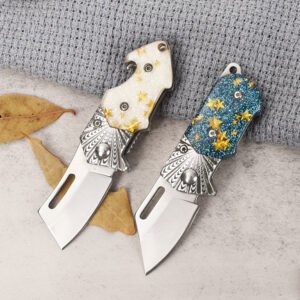
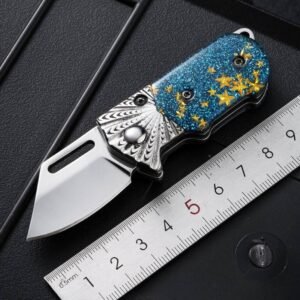
- Prefer compact, non-aggressive designs. Smaller blades and simple handle shapes are generally more practical for everyday carry and retail customers.
- Avoid concealed or suspicious carry. Even a legal item can become a problem if it is hidden in a way that suggests improper intent.
- Know where knives are restricted. Buildings, schools, government facilities, events, and private businesses may have separate rules.
- Verify current local rules. This article is general information only, not legal advice, and local requirements should always be checked directly.
For B2B buyers, these rules also affect what sells well. Retail customers in urban markets often want practical, low-profile folding knives that feel useful rather than flashy. That is why many stores focus on compact models that are easy to merchandise and easier for customers to understand.
Why blade design matters more than many buyers expect
When shoppers ask whether they can carry a pocket knife in NYC, they often focus on blade length alone. That matters, but it is not the only factor. The opening method, blade shape, handle size, and overall appearance can influence whether a knife feels appropriate for everyday carry.
Features that tend to be more practical for city carry
- Smaller overall profile: easier to pocket, store, and use discreetly for routine tasks.
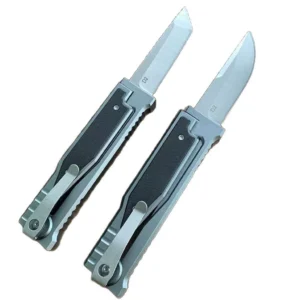
- Straightforward manual opening: simple folding designs are often easier for customers to understand and use responsibly.
- Neutral styling: less aggressive appearance can be more appealing in retail settings.
- Secure locking mechanism: helps the knife stay closed when not in use and adds a layer of safety during ordinary handling.
Features that may create problems for customers
- Overly large blades: less suitable for daily urban carry and more likely to raise questions.
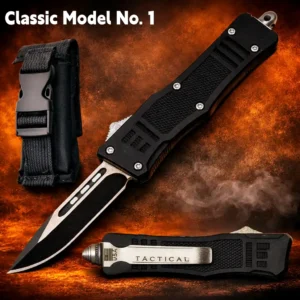
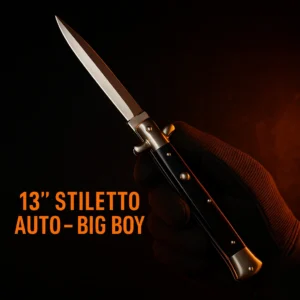
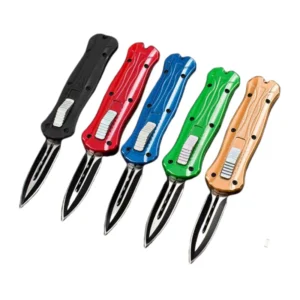
- Automatic or assisted-opening styles: may face stricter rules depending on jurisdiction.
- Highly tactical branding: can discourage cautious buyers and limit resale appeal.
- Loose or poor-quality locks: increase safety concerns and returns.
If you are sourcing inventory, it is smart to stock folding knives that balance utility and restraint. For wholesale buyers, a well-chosen assortment can serve hardware stores, convenience shops, outdoor retailers, and online resellers without leaning too hard into niche or restricted-looking products. A good place to browse that type of inventory is the folding knife wholesale category.
How to think about lawful carry in everyday situations
Many customers want a pocket knife for simple, legitimate tasks. That can include opening deliveries, cutting tags, trimming packaging, or handling small repairs. In a place like NYC, the safest approach is to keep the knife clearly associated with those ordinary uses.
Examples of more cautious carry habits include storing the knife in a pocket or bag when needed, keeping it clean and maintained, and avoiding unnecessary display. A knife that is treated as a tool is easier to justify than one that is shown off or handled carelessly.
Another practical point is that different environments have different expectations. A knife that might be fine in a warehouse, workshop, or outdoor setting may not be appropriate for a transit ride, office building, or public venue. Buyers should understand that lawful ownership does not automatically mean unrestricted carry everywhere.
Common mistakes people make
People who are new to carrying folding knives often make avoidable mistakes that create confusion or risk. These are especially important in dense urban areas where public visibility is high.
- Buying the wrong style for the setting: a large tactical knife may not fit the needs of a city customer.
- Assuming all folding knives are treated the same: local rules can distinguish between designs and uses.
- Ignoring store or building policies: private property rules can be stricter than public law.
- Carrying a knife for novelty rather than utility: that can create unnecessary attention.
- Skipping product testing: retailers should check lock strength, finish quality, and pocket clip reliability before stocking items.
For wholesale buyers, these mistakes can affect returns and customer satisfaction. A knife that looks good in photos but feels awkward in hand may move slowly. A model with a stiff opening action or weak lock may produce complaints. The best inventory is usually the one that is easy to explain, easy to use, and easy to trust.
What retailers and resellers should look for when sourcing inventory
If you sell knives to customers in or near New York City, product selection should be intentional. The goal is not just to find the cheapest folding knife, but to choose items that fit a broad range of lawful, practical uses.
- Balanced size: compact enough for pocket carry, useful enough for everyday tasks.
- Reliable construction: solid blade play, dependable locks, and consistent fit and finish.
- Simple presentation: clear product descriptions help customers choose responsibly.
- Broad appeal: models that work for utility, camping, workwear, and general carry usually reach more buyers.
- Wholesale value: strong margins matter, but so does repeat demand and low return risk.
Retailers serving mixed customer bases often do best with a range of folding knives rather than a single style. Some customers want a very small everyday option, while others want a sturdier work knife. Wholesale sourcing allows you to stock both without overcommitting to one niche.
Practical FAQ
Can you carry a pocket knife in NYC if it is small?
A smaller folding knife may be more practical and less likely to cause issues than a larger one, but size alone does not decide everything. Local rules, location, and how the knife is carried all matter. Always verify current regulations.
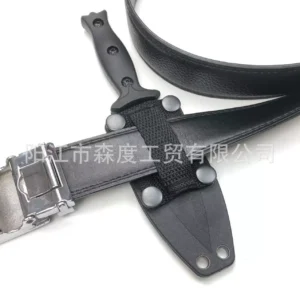
Is a folding knife better than a fixed blade for city carry?
For most everyday urban customers, a folding knife is usually the more practical choice because it stores more easily and is less conspicuous. That said, “better” depends on the task and the rules that apply where the knife is carried.
Can retailers sell pocket knives to NYC customers?
Yes, many retailers and online sellers do sell folding knives to New York customers, but sellers should be careful about product selection, descriptions, and any shipping restrictions that may apply. Buyers should also check their own local rules before carrying any knife.
What should a customer look for in a lawful everyday knife?
Customers typically want a compact folding knife with a secure lock, practical blade shape, and plain styling. The best choice is one that fits ordinary tasks and does not draw unnecessary attention.
Should wholesale buyers avoid tactical-looking models?
Not always, but tactical styling can narrow your audience. If your customers are general consumers, work users, or urban carry buyers, neutral and practical designs often perform better.
Bottom line for buyers and owners
If you are wondering whether you can carry a pocket knife in NYC, the most responsible answer is to proceed carefully, keep the knife clearly tied to lawful everyday use, and verify the current local rules before carrying. For shoppers, that means choosing a folding knife that is compact, practical, and well made. For retailers and distributors, it means stocking models that fit urban customers without creating unnecessary legal or safety concerns.
When you source thoughtfully, a pocket knife can be a useful tool instead of a headache. That is why the best inventory is usually the one that combines quality, restraint, and everyday value.