

What Is an Illegal Knife in Texas?


Short answer
Learn what is considered an illegal knife in Texas, how state and local rules can affect buyers, and what retailers and wholesalers should check before selling
In this article
- 01 How Texas treats knives
- 02 What people usually mean by an “illegal knife”
- 03 Examples that can raise legal concerns
- 04 What wholesale buyers should look for before stocking knives
- 05 Common mistakes that cause trouble
- 06 Practical examples for shoppers and store buyers
- 07 Responsible ownership matters too
- 08 FAQ: Texas knife law basics
- 09 Is every knife illegal in Texas?
- 10 Can a knife be legal to own but not legal to carry?
- 11 Do blade length and opening style matter?
- 12 What should a retailer tell customers?
- 13 What is the safest way for a wholesaler to choose inventory?
If you are asking what is an illegal knife in Texas, the short answer is that Texas law focuses less on a simple “illegal knife” label and more on where, how, and by whom a knife is carried or used. In general, many knives are lawful to own, but certain locations, age-related rules, and other restrictions can make possession or carry unlawful. Because the rules can change and local situations matter, buyers should always verify current Texas law and any local or federal restrictions before stocking, selling, or carrying a knife.
How Texas treats knives
Texas knife law is not as simple as a single banned category for every situation. Instead, the law looks at blade length, location, and context. A knife that is fine to own at home may still create a problem if it is carried into a restricted place or used in a prohibited way. That is why shoppers, retail buyers, and resellers should think beyond the knife itself and look at the circumstances around possession and carry.
For everyday customers, this means the safest approach is to understand the basics before buying in bulk or putting product on a shelf. For wholesale buyers, it also means choosing inventory that is easier to explain to customers and easier to sell responsibly. Models with clear specifications, solid packaging, and straightforward descriptions are often easier for stores to merchandise and for customers to understand.
What people usually mean by an “illegal knife”
When people ask this question, they often want to know whether certain blade styles are banned. In Texas, the answer is usually more nuanced than “yes” or “no.” A knife may become unlawful because of:
- the place where it is carried, such as a school or other restricted location
- the age of the person carrying it
- the manner of carry or intended use
- other state or federal rules that apply in special settings
That is why a store buyer should not rely only on blade style or mechanism when evaluating products. A customer may ask for a knife based on appearance or opening style, but the legal question is usually broader than that. Clear product information helps reduce confusion and returns.
Examples that can raise legal concerns
Without making legal guarantees, the following situations are the kinds of things that often create problems for owners and sellers:
- carrying a knife into a location that is restricted by law
- selling or transferring a knife to someone who is not allowed to possess it under the applicable rules
- assuming a knife is legal everywhere just because it is legal to own in general
- ignoring local ordinances, school policies, or property rules
For a retailer, the practical lesson is simple: train staff to avoid making absolute statements. For a distributor, make sure product descriptions are accurate, and do not imply that a knife can be carried anywhere without consequences.
What wholesale buyers should look for before stocking knives
If you buy knives for a store, online shop, or distribution channel, the safest inventory choices are the ones you can describe clearly and sell responsibly. Good wholesale sourcing starts with understanding the product and the compliance environment around it.
Before placing an order, consider the following:
- Blade specifications: Know the exact blade length, opening style, and construction details.
- Product labeling: Make sure packaging and listings match the item accurately.
- Customer use case: A knife marketed for utility or collection may be easier to position than one with vague or exaggerated claims.
- Age and sales policies: Decide in advance how your business will handle age verification where appropriate.
- Local compliance: Confirm whether your sales areas have additional restrictions.
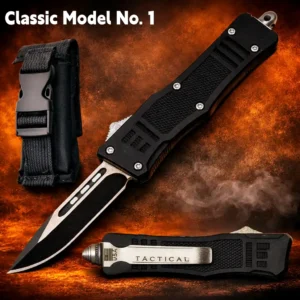
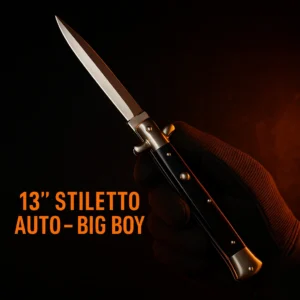
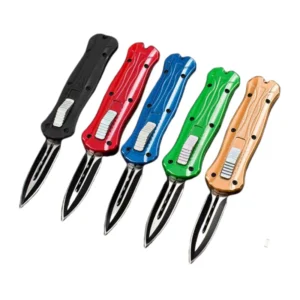
Wholesale buyers who want to keep inventory moving often prefer items that are easy to explain, easy to display, and easy to classify. If you are building a knife section for a retail store or online catalog, browse the OTF and automatic knife wholesale category to compare product styles and specifications before you buy.
Common mistakes that cause trouble
Many issues come from misunderstanding rather than bad intent. A customer may buy a knife for work, collecting, or everyday carry and later discover that a specific location or situation changes the legal picture. Retailers can help by avoiding common mistakes in product presentation and staff training.
- Assuming one law covers every place: A knife may be lawful in one setting and restricted in another.
- Using vague descriptions: “Tactical,” “self-defense,” or “everywhere legal” language can confuse buyers and create risk.
- Skipping age checks: If your sales policy requires verification, follow it consistently.
- Not checking local rules: City, county, school, and property policies can matter.
- Ignoring storage and transport: Safe, lawful handling matters just as much as purchase.
For many B2B buyers, the best way to avoid complaints is to stock practical, well-documented products and give customers clear usage guidance. That approach supports both compliance and customer satisfaction.
Practical examples for shoppers and store buyers
Consider a customer who wants a knife for camping, utility tasks, or collection. That buyer may be focused on blade quality, lockup, opening action, and handle feel. Those are useful product criteria, but they do not answer the legal question by themselves. A store buyer should be ready to explain that ownership and carry rules can differ, and that customers should check the rules for the places they travel through.
Another example is a retailer stocking knives for general resale. If the store sells to a broad audience, product selection should favor items with clear documentation and straightforward use cases. Wholesale buyers who want dependable inventory often prioritize consistency in finish, packaging, and specs, because those details make the product easier to list and easier for customers to understand.
If you are sourcing inventory for a shop or online platform, it is smart to keep a record of supplier details, product dimensions, and any relevant compliance notes. That documentation helps when a customer asks questions and can reduce confusion later.
Responsible ownership matters too
Even when a knife is lawful to own, responsible storage and use are still important. Keep knives secured away from children, follow workplace policies, and transport items in a way that complies with applicable law. For many customers, the goal is simple: own a useful tool, avoid misunderstandings, and stay aware of the rules that apply where they live and travel.
Retailers and distributors can support that goal by offering accurate descriptions, age-aware sales practices where needed, and product lines that are easy to classify. If you are building a wholesale relationship, you can also use a direct inquiry process to discuss inventory needs, product categories, and compliance questions before ordering. A simple starting point is the wholesale inquiry form.
FAQ: Texas knife law basics
Is every knife illegal in Texas?
No. Many knives are lawful to own, but legality can depend on where you carry them, who is carrying them, and other circumstances. Always verify current rules.
Can a knife be legal to own but not legal to carry?
Yes. That is one of the most common misunderstandings. Ownership and carry are not always treated the same way.
Do blade length and opening style matter?
They can matter in some situations, but they are not the only factors. Location, age, and local restrictions may also apply.
What should a retailer tell customers?
Keep it simple and accurate: explain product specifications, remind customers to check current laws, and avoid absolute statements about legality in every place.
What is the safest way for a wholesaler to choose inventory?
Choose products with clear specs, reliable supplier information, and straightforward merchandising. That makes it easier to sell responsibly and support your customers with accurate information.
If you are asking what is an illegal knife in Texas because you want to buy, sell, or stock knives wisely, the best answer is to focus on the full legal context, not just the blade. Check the current law, review local restrictions, and choose inventory that is easy to explain and responsibly market. That approach helps shoppers stay informed and helps businesses reduce avoidable problems.