

What Is the Legal Knife Size to Carry?


Short answer
Learn what knife size is legal to carry, how blade length rules vary by location, and what buyers should check before stocking or carrying knives.
In this article
- 01 Why there is no universal legal knife size
- 02 Common blade length ranges people ask about
- 03 Other rules that can matter as much as blade length
- 04 Opening mechanism
- 05 Concealed versus open carry
- 06 Fixed blade versus folding knife
- 07 Location-specific bans
- 08 Intent and use
- 09 What retail buyers should look for when choosing inventory
- 10 Examples of practical carry choices
- 11 Mistakes to avoid before carrying or stocking a knife
- 12 How to verify the rules in your area
- 13 FAQ: legal knife carry questions buyers ask most
- 14 Is there one blade length that is legal everywhere?
- 15 Are folding knives usually easier to carry legally?
- 16 Can I carry an OTF knife if the blade is short?
- 17 What should a store buyer check before stocking knives?
- 18 What is the safest general rule for customers?
If you are asking what knife size is legal to carry, the honest answer is that there is no single rule that applies everywhere. In many places, small folding knives are allowed, but the legal limit can depend on blade length, locking mechanism, opening style, where you carry it, and local restrictions for schools, government buildings, airports, and other sensitive places. The safest approach is to check your state, county, and city rules before buying or carrying any knife.
Why there is no universal legal knife size
Knife laws are not the same from one place to another. Some states focus on blade length, while others care more about whether a knife opens automatically, whether it locks, or whether it is concealed. A knife that is legal to carry in one city may be restricted just a few miles away.
That is why shoppers, store owners, and wholesale buyers should not rely on a single “legal size” number. Instead, think in terms of categories:
- Small everyday carry folders often face fewer restrictions.
- Longer blades may be limited in public carry.
- Automatic, assisted-opening, or OTF knives may be treated differently depending on the jurisdiction.
- Restricted locations can ban knives regardless of size.
If you stock knives for resale, this variety matters just as much as product style and price. Buyers often want options that fit broad retail demand, but they also need to avoid carrying inventory that is difficult to sell in certain regions. For wholesale buyers, a mixed selection can help balance demand and compliance. You can explore an OTF and auto knife wholesale category if you are comparing product types for your store.
Common blade length ranges people ask about
When people ask about legal carry size, they are usually asking about blade length. While exact limits vary, these are common ranges that often come up in local rules and store policies:
- Under 2.5 inches: Often treated as a low-restriction everyday carry size in many places, though not everywhere.
- 2.5 to 3 inches: A common size range for compact folding knives and utility carry.
- 3 to 3.5 inches: Frequently seen in consumer knife catalogs, but may trigger restrictions in some areas.
- Over 3.5 inches: More likely to be regulated for public carry in some jurisdictions.
These ranges are only general examples, not legal advice. A shorter blade is not automatically legal, and a longer blade is not automatically illegal. Other factors can matter just as much, including whether the knife is concealed, whether it is carried on school property, and whether local law classifies certain knives differently.
Other rules that can matter as much as blade length
Many first-time buyers focus only on blade size and overlook the rest of the law. That is a common mistake. Here are a few details that can change whether a knife may be carried legally:
Opening mechanism
Some places treat automatic knives, OTF knives, gravity knives, and assisted-openers differently from traditional folding knives. A knife with a legal blade length may still be restricted because of how it opens.
Concealed versus open carry
Some jurisdictions allow open carry but restrict concealed carry, or the other way around. A knife clipped to a pocket may still count as concealed in certain places.
Fixed blade versus folding knife
Fixed blades are often viewed differently from folders. Even a short fixed blade can be more restricted than a larger folding knife, depending on the law.
Location-specific bans
Airports, courthouses, schools, stadiums, and some public buildings often have their own rules. These restrictions may apply regardless of knife size.
Intent and use
Some laws consider how a knife is carried and used. A utility knife carried for work may be treated differently from a knife carried in a way that suggests unlawful intent.
What retail buyers should look for when choosing inventory
If you run a store or resell online, legal carry questions should shape what you stock. A product that looks attractive on a shelf may be harder to sell if it is tied to a narrow set of local rules. Useful buying criteria include:
- Blade length variety: Offer compact options alongside standard everyday carry sizes.
- Mechanism clarity: Make sure product descriptions clearly identify folder, fixed blade, assisted-opening, auto, or OTF styles.
- Material and build quality: Durable handles, reliable locks, and consistent blade finish matter to repeat customers.
- Customer use case: Utility, outdoor, collection, and emergency carry shoppers often want different features.
- Local sell-through: Consider the laws in the regions where your customers live, not just your own location.
Wholesale buyers often do best when they stock a range of practical carry sizes rather than only one category. That gives customers more choices and reduces the chance of overcommitting to a product line that is too limited for local regulations. If you are comparing pricing and product mix, a wholesale inquiry can help you source knives that fit your market better.
Examples of practical carry choices
To make the topic more concrete, here are a few examples of the kinds of knives people often consider for lawful everyday carry. These are not legal approvals, but they show how buyers think about size and style:
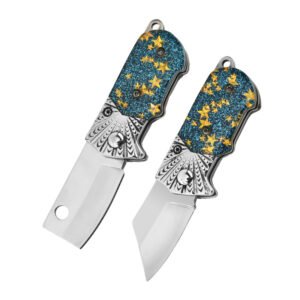
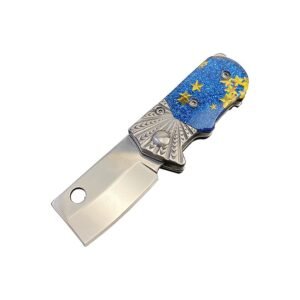
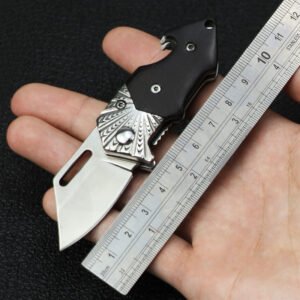
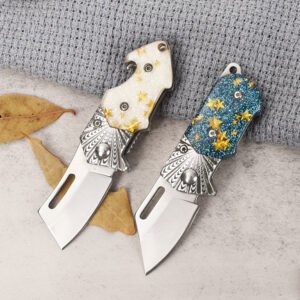
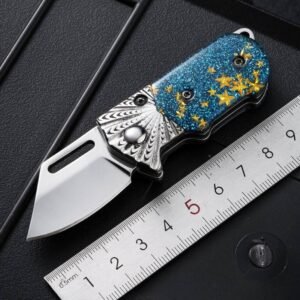
- Compact folding knife with a short blade: Often chosen for light utility tasks, package opening, and everyday pocket carry.
- Mid-size folder: Popular with outdoor users and tradespeople who want a balance of grip and portability.
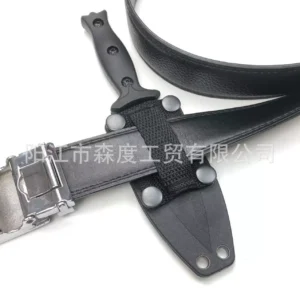
- Fixed blade with a short blade length: Sometimes preferred for work or outdoor use, but can face stricter carry rules.
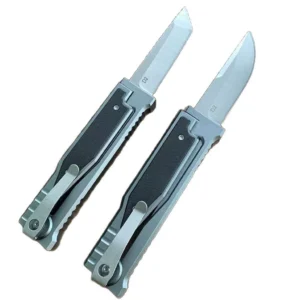
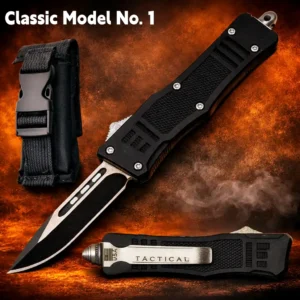
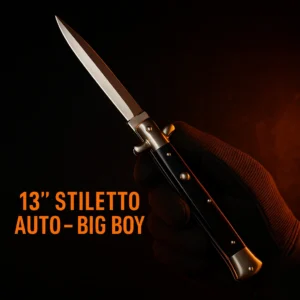
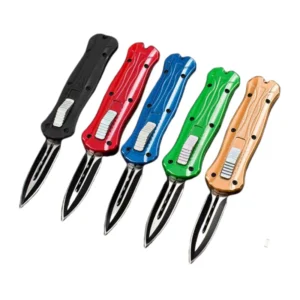
- OTF or automatic knife: Attractive to collectors and enthusiasts, but more likely to be regulated in some areas.
For store buyers, it helps to label these products clearly and avoid vague descriptions. Customers appreciate straightforward details such as blade length, overall length, locking style, and intended everyday use.
Mistakes to avoid before carrying or stocking a knife
People often run into trouble by assuming all knives are treated the same. Avoid these common mistakes:
- Assuming a short blade is always legal.
- Ignoring city or county rules after checking only state law.
- Overlooking restrictions for schools, airports, and public buildings.
- Buying inventory without checking whether the opening style is restricted.
- Using product photos or descriptions that do not clearly state blade length.
- Carrying a knife in a way that may be considered concealed when you thought it was open carry.
For resellers and distributors, inaccurate listings can create customer complaints and returns. Clear specifications reduce confusion and help customers choose a knife that matches their local rules and intended use.
How to verify the rules in your area
The best answer to what knife size is legal to carry is always local verification. Start with your state statutes, then check city and county ordinances if they apply. If you are buying for resale, review the rules in the states where your customers are most likely to live. When in doubt, contact a qualified local attorney or the relevant local authority for guidance.
It is also smart to review the policies of any place where you expect to carry the knife. Private property owners, employers, and event venues may set their own restrictions even when the law is otherwise permissive.
FAQ: legal knife carry questions buyers ask most
Is there one blade length that is legal everywhere?
No. Knife carry laws vary widely by state, city, and location. A common blade length in one place may be restricted in another.
Are folding knives usually easier to carry legally?
Often yes, but not always. Folding knives may face fewer restrictions than some fixed blades or automatic knives, yet local law still matters.
Can I carry an OTF knife if the blade is short?
Not necessarily. Opening style can matter as much as blade length, and some places regulate OTF or automatic knives separately.
What should a store buyer check before stocking knives?
Check blade length, opening mechanism, product labeling, and the laws in your target market. A diverse assortment helps reach more customers, but only if the products are appropriate for the regions you serve.
What is the safest general rule for customers?
Choose a knife that is practical for your needs, keep it stored responsibly, and verify local rules before carrying it in public.
In short, the legal knife size to carry depends on where you are, what kind of knife it is, and how it is carried. For shoppers, that means checking local laws before buying or carrying. For retail and wholesale buyers, it means stocking clear, well-described products that fit a wide range of lawful uses while respecting regional restrictions.