

What Is the Bolster on a Knife?


Short answer
Learn what the bolster on a knife is, what it does, how it affects balance and safety, and what buyers should look for when choosing knives for retail or wholes
In this article
- 01 What the bolster actually does
- 02 Full bolster, partial bolster, and no bolster
- 03 Full bolster
- 04 Partial bolster
- 05 No bolster
- 06 How the bolster affects balance and handling
- 07 Bolster materials and construction
- 08 What buyers should look for before choosing a knife with a bolster
- 09 Common mistakes people make when judging a bolster
- 10 How the bolster fits into knife care
- 11 Practical FAQ about knife bolsters
- 12 Is a bolster required on a knife?
- 13 Does a bolster make a knife safer?
- 14 Are knives with bolsters harder to sharpen?
- 15 What is the best bolster style for resale?
- 16 Does the bolster affect the knife’s value?
- 17 Choosing the right knife for your customer base
The bolster on a knife is the thickened section between the blade and the handle, usually found near the base of the blade or where the blade meets the grip. It helps strengthen the knife, improve balance, and give your fingers a more secure place to rest. On many kitchen and outdoor knives, the bolster is a practical design feature that affects how the knife feels, how it handles, and how long it lasts.
For shoppers, retail buyers, and wholesale customers, understanding the bolster matters because it can change the knife’s performance, comfort, and price point. Some knives have a full bolster, some have a partial bolster, and some have none at all. Each style serves a different purpose, and the right choice depends on how the knife will be used and who will be buying it.
What the bolster actually does
A bolster is more than a decorative transition piece. It adds material where the blade and handle connect, which can improve strength in one of the most stressed parts of the knife. It also helps create a smoother hand position and can make the knife feel more stable in use.
In everyday terms, the bolster can do three main jobs:
- Reinforce the knife: It supports the area where the blade meets the handle.
- Improve balance: It can shift the knife’s weight toward the center for a steadier feel.
- Increase control: It gives the hand a more defined stopping point near the blade.
On some knives, especially traditional kitchen knives, the bolster is part of the blade’s construction. On others, it may be a separate piece of metal fitted between the blade and handle. Either way, it plays a noticeable role in how the knife performs.
Full bolster, partial bolster, and no bolster
Not every knife uses the bolster in the same way. Buyers often see three common styles, and each one has trade-offs.
Full bolster
A full bolster extends all the way down to the heel of the blade. This style is common on heavier kitchen knives and some premium models. It usually feels solid and protective, but it can also add weight and make sharpening the heel more difficult.
Partial bolster
A partial bolster covers only part of the transition area. This design can provide some of the same stability benefits while making the knife easier to sharpen and sometimes lighter in the hand. Many buyers prefer this style for a balance of comfort and maintenance.
No bolster
Knives without a bolster often have a cleaner, simpler profile. They may be lighter and easier to sharpen from heel to tip. For some users, especially those who want quick maintenance or a more streamlined feel, no bolster is a practical choice.
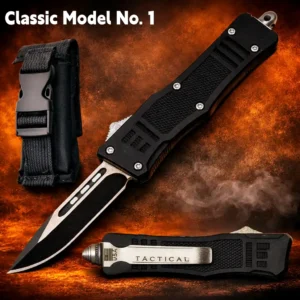
If you are stocking knives for a store or online catalog, offering a mix of these styles can help you serve different customer preferences. For example, traditional kitchen knife shoppers may like a bolstered feel, while buyers looking for compact everyday-use designs may prefer a simpler build. If you also carry folding or automatic models, you can browse the OTF and auto knife wholesale category for related product lines with different handling characteristics.
How the bolster affects balance and handling
The bolster can change how a knife feels in the hand more than many shoppers expect. A heavier bolster may move the center of gravity closer to the handle, which can create a controlled, sturdy feel. That can be helpful for buyers who want confidence and stability during repeated cutting tasks.
At the same time, too much weight near the handle can make a knife feel less nimble. Some users prefer a more blade-forward balance because it can feel more responsive. There is no single best option; it depends on the knife’s purpose and the user’s preference.
When evaluating knives for resale or wholesale purchase, it helps to test the balance point yourself. Hold the knife where a user would naturally grip it and notice whether it feels:
- front-heavy and agile
- evenly balanced and neutral
- handle-heavy and stable
That simple check can tell you a lot about whether the knife will appeal to home cooks, collectors, or professional users.
Bolster materials and construction
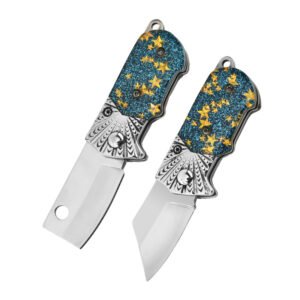
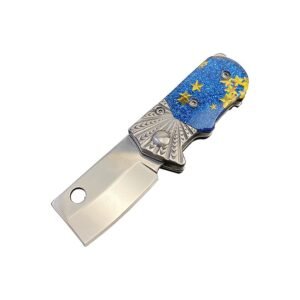
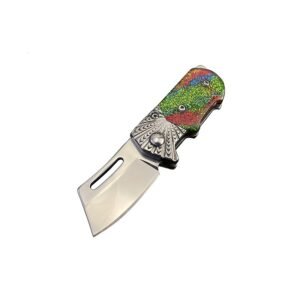
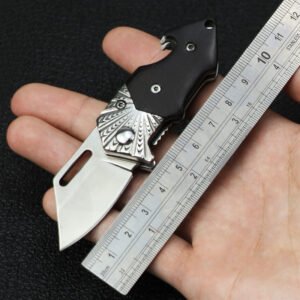
Most bolsters are made from stainless steel or another metal that matches or complements the blade. On some knives, the bolster is integrated into the blade itself. On others, especially decorative or lower-cost designs, it may be part of a layered handle construction.
Material quality matters because the bolster sits in a high-use area. A well-fitted bolster should look clean at the joint, feel smooth in the hand, and show no gaps where food, moisture, or debris could collect. Buyers should look closely at the fit and finish, especially when sourcing knives in volume.
For wholesale buyers, consistency is important. If one knife in a batch has a tight, polished bolster and another has visible seams or rough edges, customers may notice the difference right away. That can affect returns and brand reputation.
What buyers should look for before choosing a knife with a bolster
If you are purchasing knives for retail shelves, e-commerce listings, or distribution, the bolster should be part of your evaluation. A good knife is not only about blade steel or handle style; the bolster can influence everyday satisfaction.
- Comfort: Does the bolster create a natural grip, or does it feel bulky?
- Balance: Does it improve control without making the knife feel overly heavy?
- Sharpening access: Can the heel be maintained easily, or will the bolster get in the way?
- Fit and finish: Are the transitions smooth and clean?
- Target buyer: Will your customers want a traditional look or a lighter modern profile?
Retailers often do better when they match the knife style to the customer segment. A buyer shopping for a classic chef knife may appreciate a solid bolster, while someone looking for easy upkeep may prefer a bolster-free design. Wholesale sourcing works best when product features are chosen with the final customer in mind.
Common mistakes people make when judging a bolster
One common mistake is assuming a bigger bolster always means a better knife. That is not true. A large bolster can add strength and a premium feel, but it can also add weight or make maintenance harder. Another mistake is ignoring the heel area during inspection. If the bolster is poorly shaped, it can create a spot that is awkward to sharpen or uncomfortable to use.
Buyers also sometimes focus only on appearance. A polished bolster may look impressive, but the real question is whether it supports the knife’s intended use. For example, a display-oriented knife may prioritize style, while a workhorse kitchen knife should prioritize comfort and function.
Finally, some shoppers overlook how the bolster affects people with different hand sizes. A knife that feels secure to one customer may feel too thick or too narrow to another. That is one reason product variety is so important in a wholesale assortment.
How the bolster fits into knife care
Knives with bolsters need the same basic care as any other knife, but the transition area deserves extra attention. Food residue and moisture can collect near the joint if the knife is not cleaned and dried properly. Gentle hand washing and immediate drying are usually the safest general practices unless the manufacturer says otherwise.
When storing knives, keep the bolster area from rubbing against other tools. Knife blocks, sheaths, and organized storage trays can help protect the edge and prevent wear around the handle-to-blade junction. For buyers selling to end users, simple care guidance can reduce complaints and improve the customer experience.
If your assortment includes a range of knife styles, it can be helpful to pair educational content with product selection. Shoppers who want a broader knife lineup may also explore the wholesale inquiry form to discuss volume ordering and product mix.
Practical FAQ about knife bolsters
Is a bolster required on a knife?
No. Many knives are made without a bolster and still perform very well. Whether a bolster is useful depends on the knife’s design and intended use.
Does a bolster make a knife safer?
It can improve hand placement and control, which may help some users feel more secure. But safety still depends on proper handling, sharpness, storage, and lawful use.
Are knives with bolsters harder to sharpen?
Sometimes, yes, especially with a full bolster that reaches the heel. A partial bolster or no bolster can make sharpening easier in some cases.
What is the best bolster style for resale?
There is no single best option. Traditional buyers may prefer a full bolster, while customers focused on ease of maintenance may prefer partial or no bolster designs. A mixed selection often works well for retail and wholesale inventory.
Does the bolster affect the knife’s value?
It can. A well-made bolster may contribute to a premium feel and better perceived quality, but overall value also depends on blade material, construction, fit, finish, and brand presentation.
Choosing the right knife for your customer base
When you understand what the bolster on a knife does, it becomes easier to choose products that fit your customers. The right bolster style can improve comfort, support the blade, and help a knife stand out in a crowded market. The wrong one can make the knife feel awkward, overly heavy, or difficult to maintain.
For wholesale buyers and resellers, the best approach is to compare several styles and think about the end user. A well-rounded inventory may include bolstered knives for customers who want a classic feel and streamlined knives for those who want easier sharpening and lighter handling. That balance can help you meet more needs without overcommitting to one design.
In the end, the bolster is a small part of the knife, but it has a big influence on how the knife works and how it is perceived. Paying attention to it can lead to smarter buying decisions and more satisfied customers.