

Who Was the Bowie Knife Named After?


Short answer
Learn who the Bowie knife was named after, how the name became part of American knife history, and what buyers should know when choosing Bowie-style knives for
In this article
- 01 James Bowie and the story behind the name
- 02 What made a Bowie knife different
- 03 Why the Bowie knife became a lasting American icon
- 04 How buyers should evaluate a Bowie knife today
- 05 Blade steel and edge retention
- 06 Handle material and grip comfort
- 07 Blade thickness and intended use
- 08 Fit, finish, and sheath quality
- 09 Common mistakes buyers make when shopping Bowie knives
- 10 Why Bowie-style knives still matter in wholesale and retail
- 11 What to look for when sourcing Bowie knives for resale
- 12 Practical FAQ about the Bowie knife name
- 13 Was the Bowie knife really named after James Bowie?
- 14 Did James Bowie invent the Bowie knife?
- 15 Are all Bowie knives the same?
- 16 Is a Bowie knife good for retail stores?
- 17 What should wholesale buyers prioritize first?
- 18 The bottom line
The Bowie knife was named after James Bowie, the American frontiersman and fighter whose name became tied to one of the most recognizable large fixed-blade knives in history. The exact look of the original knife is debated, but the name stuck because James Bowie’s reputation spread quickly in the early 1800s, especially after the famous Sandbar Fight and later the Battle of the Alamo. For shoppers, collectors, and wholesale buyers, understanding that history helps explain why Bowie knives still carry a strong mix of heritage, utility, and display appeal.
James Bowie and the story behind the name
James Bowie lived during a period when personal knives mattered for everyday work, travel, and defense. He was known as a bold and controversial figure on the American frontier, and stories about his knife helped turn him into a legend. While there is no single universally accepted “original Bowie knife” design, the name came to represent a large, sturdy blade associated with Bowie’s image and the frontier era.
The knife became famous because people talked about it. In the 19th century, that kind of reputation was powerful. A knife linked to a well-known name could move from being a practical tool to a symbol of toughness and self-reliance. That is part of why Bowie knives remain popular today among collectors, outdoors buyers, and retail customers looking for a classic American-style blade.
What made a Bowie knife different
People often ask whether a Bowie knife has one official shape. The answer is no. Over time, the term has been used for a family of large fixed-blade knives rather than one exact pattern. Still, many Bowie-style knives share a few familiar features:
- A long blade with a strong profile
- A clipped or swept-back point on many designs
- A substantial guard for hand protection
- A balance between cutting ability and durability
Some versions lean more toward hunting and outdoor use, while others are built mainly for display or collecting. For wholesale buyers, this flexibility is one reason Bowie knives continue to sell across different customer groups. A sporting goods store may want rugged field-ready models, while a gift shop may prefer decorative finishes and presentation boxes.
Why the Bowie knife became a lasting American icon
The Bowie knife is tied to the frontier period, but its appeal has lasted far beyond that era. Part of the reason is simple: the design looks substantial and memorable. Another reason is the story behind it. Buyers are often drawn to products with a clear identity, and Bowie knives have one of the strongest identities in the knife world.
That identity can be useful in retail. Customers who may not know blade steel grades or handle materials still recognize the Bowie name. They may associate it with history, outdoor use, survival gear, or classic Americana. For distributors and resellers, that familiarity can make Bowie-style knives easier to present on shelves or online product pages.
How buyers should evaluate a Bowie knife today
If you are choosing Bowie knives for a store, marketplace listing, or wholesale order, it helps to look beyond the name alone. Two knives can both be called Bowie-style and still serve very different customers. A smart buying decision usually depends on a few practical factors.
Blade steel and edge retention
Different steels affect how a knife performs in real use. Some buyers want easy sharpening and basic utility, while others want better corrosion resistance or longer edge retention. For retail, it helps to stock a mix that matches the price points your customers expect. For wholesale purchasing, ask for consistent steel specifications and finish quality across the batch.
Handle material and grip comfort
Common handle materials include wood, micarta, G10, pakkawood, and synthetic options. A comfortable handle matters because Bowie knives are often chosen for outdoor work, display, or general utility. A knife that looks good but feels awkward in the hand may disappoint customers and lead to returns.
Blade thickness and intended use
A thick blade may appeal to buyers who want a rugged, heavy-duty feel. A thinner profile may be better for slicing tasks or for customers who want a more traditional look. When sourcing wholesale, it is worth deciding whether your audience wants a field knife, a collector piece, or a decorative display knife.
Fit, finish, and sheath quality
Even a well-priced Bowie knife should have clean assembly, secure fittings, and a sheath that holds the knife safely. Buyers often overlook the sheath, but it affects perceived value and customer satisfaction. A poor sheath can make an otherwise attractive knife feel cheap.
Common mistakes buyers make when shopping Bowie knives
One common mistake is assuming every large fixed blade is a true Bowie knife. In reality, the Bowie style has broad variation, so product descriptions should be accurate and specific. Another mistake is focusing only on blade length. A longer blade does not automatically mean better performance or better sales.
Wholesale buyers also sometimes ignore customer segment differences. A knife that works well for collectors may not be the right fit for an outdoor retailer. Likewise, a practical field knife may not have the visual appeal needed for a gift or display market. Clear product positioning helps prevent slow-moving inventory.
It is also important to verify local laws and regulations before selling or carrying any knife. Rules can vary by region, blade length, locking features, and intended use. General information is helpful, but buyers should always check the requirements that apply in their area.
Why Bowie-style knives still matter in wholesale and retail
Bowie knives remain relevant because they bridge history and utility. They can be sold as working knives, collectible pieces, or heritage-inspired gifts. That gives retailers and distributors more flexibility than a highly specialized product might offer.
For wholesale buyers, the category can also support different price tiers. Entry-level models can appeal to budget-conscious shoppers, while premium versions with upgraded materials and refined finishes can serve collectors and enthusiasts. If you are building a broader knife assortment, Bowie knives can complement other fixed blades and help round out a display case or online catalog.
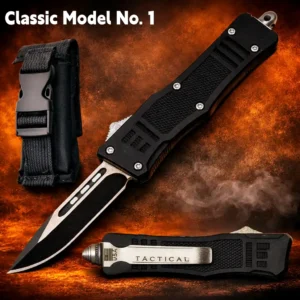
If you are also stocking automatic or OTF models, you may want to compare how each category serves different customers. Our OTF and automatic knife wholesale category is a useful reference point for buyers who want to diversify beyond traditional fixed blades.
What to look for when sourcing Bowie knives for resale
When purchasing for resale, consistency matters. Buyers should look for reliable dimensions, repeatable fit and finish, and product descriptions that match the actual knife. If the goal is to build trust with customers, accurate specifications are just as important as visual appeal.
Ask whether the supplier can support steady replenishment, especially if a certain Bowie style performs well. It also helps to request clear photos, steel and handle details, and packaging information before placing a larger order. If you are comparing options for a store, online shop, or distribution program, a simple wholesale conversation can save time and reduce surprises. You can start that process through our wholesale inquiry form.
Practical FAQ about the Bowie knife name
Was the Bowie knife really named after James Bowie?
Yes. The knife name is tied to James Bowie, the American frontiersman. The exact original design is less certain, but the name became associated with large fixed-blade knives because of his fame and the stories surrounding him.
Did James Bowie invent the Bowie knife?
Not in a clear, documented way. The historical record is mixed, and several people were involved in early Bowie knife designs and improvements. What is certain is that James Bowie’s name became attached to the style and helped make it famous.
Are all Bowie knives the same?
No. Bowie knives vary in blade shape, length, steel, handle material, and intended use. Some are made for outdoor tasks, while others are designed mainly for collecting or display.
Is a Bowie knife good for retail stores?
Often yes, because the name is familiar and the style has broad appeal. Retailers should choose models that fit their customer base, pricing strategy, and local regulations.
What should wholesale buyers prioritize first?
Start with build quality, consistent specifications, and a design that matches your audience. A Bowie knife that looks impressive but feels unbalanced or poorly finished is harder to sell and less likely to earn repeat business.
The bottom line
The Bowie knife was named after James Bowie, and that historical connection is a big part of why the style still stands out today. Whether you are a collector, a retail buyer, or a wholesale customer building a knife assortment, Bowie knives offer a strong mix of history, practicality, and shelf appeal. If you choose them carefully and source them with your customers in mind, they can be a reliable part of a profitable knife lineup.