

How to Fix an OTF Knife: Practical Troubleshooting and Care Tips

Short answer
Learn how to fix an OTF knife with practical troubleshooting steps for sticking blades, weak deployment, misalignment, and maintenance tips for safe, reliable u
In this article
- 01 What usually causes an OTF knife to stop working properly
- 02 Start with the safest basic checks
- 03 How to fix a sticky or sluggish OTF knife
- 04 Common cleaning mistakes to avoid
- 05 What to do if the blade will not deploy
- 06 How to handle a blade that does not retract smoothly
- 07 When the problem is beyond a simple fix
- 08 Preventing future problems
- 09 What wholesale buyers should look for in a reliable OTF knife
- 10 FAQ: common questions about fixing an OTF knife
- 11 Why is my OTF knife hard to open?
- 12 Can I use regular oil on an OTF knife?
- 13 Should I keep trying the button if the blade does not move?
- 14 Is it safe to carry a knife that retracts inconsistently?
- 15 When should I replace instead of repair?
- 16 Final thoughts
If your OTF knife is sticking, failing to deploy, or not retracting smoothly, the first thing to do is stop forcing the mechanism and inspect it for dirt, lint, or visible damage. In many cases, a careful cleaning and light lubrication solve the problem. If the blade is bent, the spring feels broken, or the knife has internal damage, it is safer to have it serviced by a qualified repair professional or replace it with a dependable model.
What usually causes an OTF knife to stop working properly
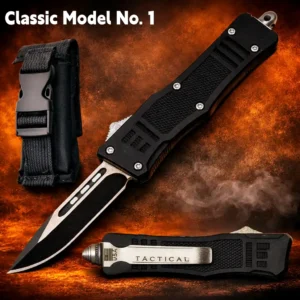
OTF knives depend on a compact internal track, spring system, and locking mechanism. Because the parts fit tightly together, even a small amount of debris can interfere with performance. The most common problems are simple: pocket lint, dried oil, dust, moisture, or a blade that has been knocked out of alignment.
Wear can also show up over time, especially on knives used often in work environments, carried daily, or stored without cleaning. Buyers who stock knives for retail or wholesale should pay attention to construction quality, because a well-made model will usually hold up better under regular use.
Start with the safest basic checks
Before trying anything else, make sure the knife is pointed in a safe direction and that your hands are clear of the blade path. Do not test a malfunctioning OTF knife against your palm, clothing, or any hard surface. If the knife is already damaged, forcing the blade can make the problem worse.
- Check the blade channel for lint, grit, or dried residue.
- Look for dents, bends, or signs the blade has been struck.
- Test whether the action feels gritty, weak, or unusually stiff.
- Inspect the button or actuator for sticking or resistance.
If the knife has been exposed to rain, sweat, or humid storage, moisture may also be part of the issue. Dry it fully before using any lubricant.
How to fix a sticky or sluggish OTF knife
A sticky action is often caused by dirt inside the track or old lubricant that has collected debris. A careful cleaning is usually the best first step. Use a soft cloth to wipe the exterior, then remove visible dust from the blade channel with a dry cotton swab or compressed air used gently. Avoid soaking the knife unless the manufacturer specifically allows it.
After cleaning, apply only a small amount of a knife-safe lubricant if appropriate for the model. Too much oil can attract more dirt and make the problem worse. The goal is a thin, even film, not a wet surface.
If the knife begins moving more smoothly after cleaning but still feels rough, the internal parts may need professional attention. That is especially true for knives with tight tolerances or specialty mechanisms.
Common cleaning mistakes to avoid
- Using excessive oil or grease.
- Forcing the blade open when it resists.
- Using abrasive tools that can scratch the track.
- Ignoring moisture trapped inside the handle.
What to do if the blade will not deploy
When an OTF knife will not deploy at all, the problem may be debris, a safety lock, internal wear, or a damaged spring component. First confirm whether the knife has a safety switch or lock that may be engaged. Many users overlook this simple step.
If the safety is not the issue, inspect the slot for blockage. A tiny piece of lint can be enough to stop movement. Clean the opening carefully and test the action again. If the blade still does not move, stop there. Repeated hard presses can damage the mechanism or create a dangerous failure point.
For wholesale buyers and retail store owners, this is one reason product quality matters so much. Customers often assume every failure is caused by misuse, but some lower-grade knives simply do not hold up well. When sourcing inventory, look for consistent action, solid fit, and clear product support. You can review available options in the OTF and auto knife wholesale category to compare styles and construction levels.
How to handle a blade that does not retract smoothly
A blade that retracts slowly, catches on the way back, or stops halfway may be out of alignment. Sometimes the blade has been slightly bent from impact, or debris has built up in the track. Clean the knife first, then inspect the blade edge and spine for obvious warping.
If the blade appears straight but still drags, the issue may be internal. In that case, avoid repeated cycling. A knife that does not retract reliably should not be carried in a pocket or used for everyday tasks until it is repaired.
For resellers and distributors, this is a useful customer education point. Many returns happen because buyers keep testing a faulty knife until it becomes worse. Clear care instructions can reduce avoidable complaints and improve satisfaction.
When the problem is beyond a simple fix
Some issues are not worth trying to repair at home. A broken spring, cracked internal part, bent blade, or loose actuator may require disassembly that is best left to a trained technician. If the knife has been dropped hard, stepped on, or exposed to corrosion, the internal damage may be more extensive than it looks.
Signs you should stop and seek professional help include:
- Blade movement feels loose or unstable.
- The knife opens but will not lock properly.
- Metal shavings appear in the handle or track.
- The blade is visibly bent or rubbing the frame.
- The action changes suddenly after a fall or impact.
In some cases, replacement is the more practical option, especially for low-cost models or high-volume buyers who need dependable stock for retail shelves.
Preventing future problems
Good maintenance is the easiest way to avoid OTF knife issues. Wipe the blade after use, keep the channel clean, and store the knife in a dry place. If the knife is carried daily, check it periodically for lint buildup. A quick inspection every few weeks can prevent most common failures.
For store buyers and wholesalers, packaging and storage matter too. Knives packed loosely in dusty cartons or stored in humid back rooms can arrive with problems before they ever reach customers. When ordering in quantity, ask about packaging quality, finish consistency, and how the products are protected in transit.
It also helps to choose models with a reputation for repeatable action and solid materials. Buyers comparing inventory should consider blade steel, handle construction, switch feel, and whether the knife has consistent deployment across multiple units.
What wholesale buyers should look for in a reliable OTF knife
If you are stocking knives for a retail counter, online storefront, or distribution channel, reliability matters as much as appearance. A knife that is attractive but inconsistent can create returns and customer frustration. Strong sourcing decisions start with the basics.
- Consistent action: The blade should deploy and retract smoothly across multiple samples.
- Solid fit and finish: Look for clean machining, even alignment, and no obvious rattling.
- Durable materials: Blade steel and handle construction should match the intended price point.
- Clear product support: Good suppliers provide straightforward descriptions and responsive service.
- Packaging quality: Secure packaging helps reduce transit damage and returns.
For many businesses, the right mix of value and consistency is more important than chasing the lowest unit price. A dependable product usually creates fewer issues for both sellers and customers.
FAQ: common questions about fixing an OTF knife
Why is my OTF knife hard to open?
It is usually caused by dirt, dried lubricant, moisture, or internal wear. Start with cleaning and inspection before assuming the knife is broken.
Can I use regular oil on an OTF knife?
Only use a lubricant that is appropriate for the knife and recommended by the manufacturer when possible. Too much oil can collect debris and create more problems.
Should I keep trying the button if the blade does not move?
No. Repeated forcing can damage the mechanism. Clean the knife first, check for a safety lock, and stop if the issue continues.
Is it safe to carry a knife that retracts inconsistently?
No. A knife that does not work reliably should be repaired or removed from carry until it functions properly again.
When should I replace instead of repair?
If the blade is bent, internal parts are damaged, or the knife is a low-cost model with repeated problems, replacement is often the better choice.
Final thoughts
Most OTF knife problems come down to dirt, poor lubrication, or minor misalignment, and a careful cleaning will often restore normal operation. If the blade is bent, the mechanism is damaged, or the action remains unreliable, do not force it. For buyers and sellers, the best long-term solution is choosing well-made inventory, storing it properly, and giving customers clear care guidance. That approach reduces returns, improves satisfaction, and keeps the knife performing the way it should.