

Is a Switchblade Knife Illegal? What Buyers Should Know Before Purchasing

Short answer
Learn when a switchblade knife may be illegal, how federal and state rules differ, and what retail and wholesale buyers should verify before purchasing.
Key Takeaways
- Separate carry-on rules, checked-bag rules, airline policy, and destination law before making a decision.
- Use current official guidance for travel questions; product descriptions alone are not enough.
- For resale, clear customer notes reduce confusion around travel, carry, and storage.
Terms Used Here
- OTF
- Out-the-front; a knife design where the blade moves forward from the front of the handle.
- Automatic knife
- A knife that opens by a spring-driven mechanism after the user activates a button, switch, or slider.
- Folding knife
- A knife with a blade that pivots into the handle for storage.
In this article
- 01 What makes a switchblade different?
- 02 Is a switchblade knife illegal everywhere?
- 03 Common legal factors buyers should check
- 04 Why the answer changes by state or city
- 05 What retail and wholesale buyers should look for
- 06 Practical buyer criteria
- 07 Common mistakes to avoid
- 08 How to verify legality before you buy or resell
- 09 FAQ: switchblade knife legality
- 10 Can I own a switchblade legally?
- 11 Is it illegal to carry a switchblade in public?
- 12 Are switchblades legal to sell online?
- 13 Do wholesale buyers need to worry about knife laws too?
- 14 What is the safest approach if I am unsure?
- 15 The bottom line for shoppers and businesses
If you are asking whether a switchblade knife is illegal, the short answer is: it depends on where you are and how the knife is being sold, carried, or used. In some places, switchblades are legal to own but restricted for carry. In others, they may be limited by blade length, age, or specific local rules. Because knife laws can change and often differ by state, city, and country, buyers should always verify the current law before purchasing or reselling.
What makes a switchblade different?
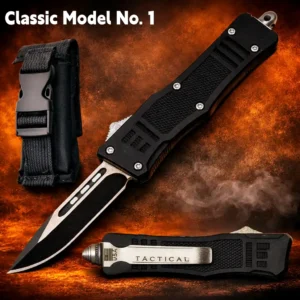
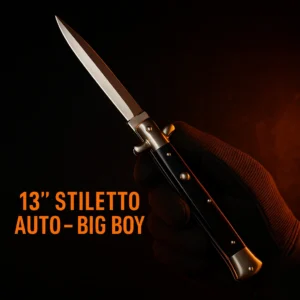
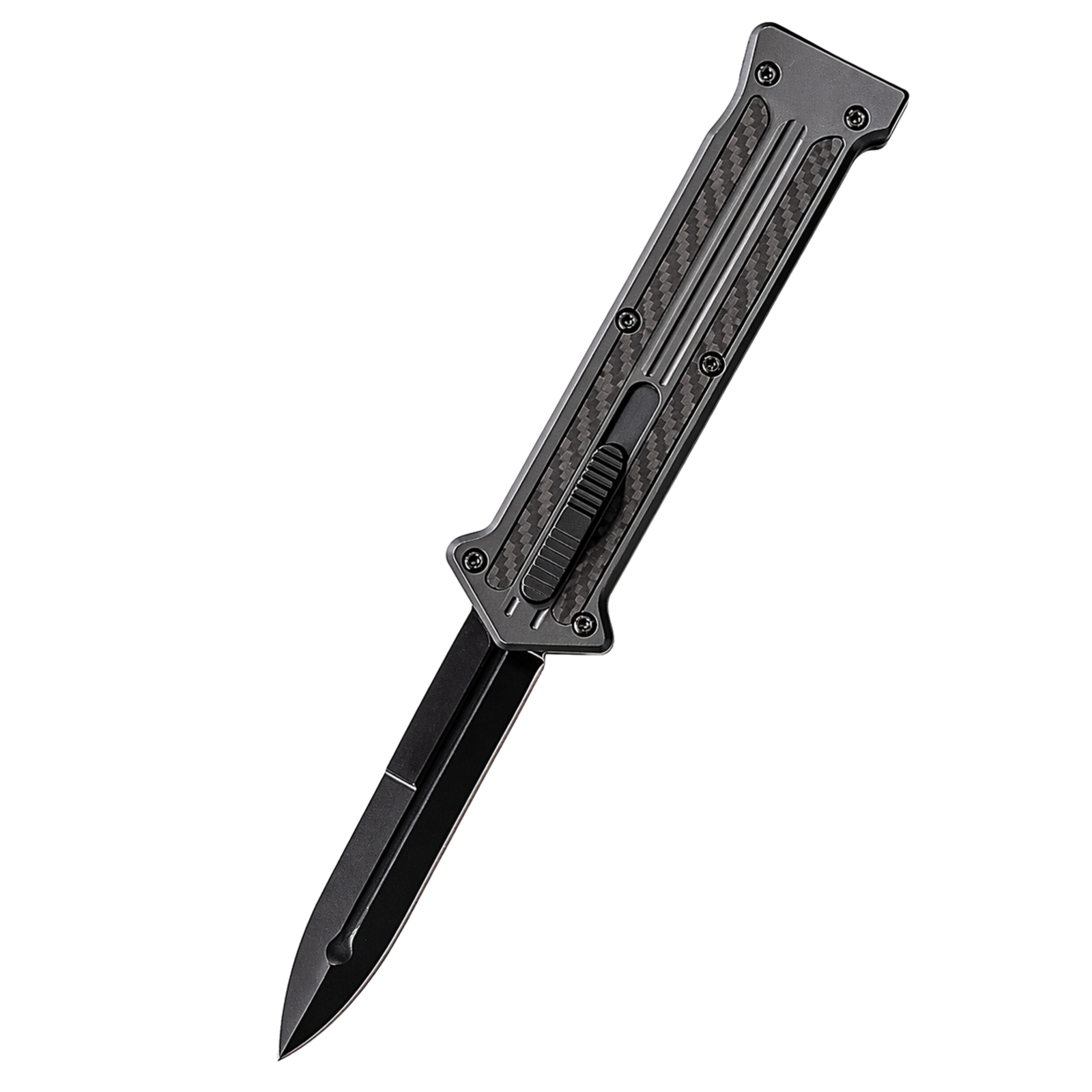
A switchblade is generally a folding knife with a blade that opens automatically by pressing a button, lever, or similar mechanism in the handle. That automatic opening feature is what separates it from a standard manual folding knife. People sometimes use the term loosely to describe other quick-opening knives, but legal definitions can vary, which is why the same knife may be treated differently from one jurisdiction to another.
For buyers, this distinction matters. A knife that is legal in one market may be restricted in another, especially if local law focuses on automatic opening, concealed carry, blade length, or intent of use. Retailers and distributors should review product descriptions carefully so they are not mislabeling automatic knives as ordinary folders.
Is a switchblade knife illegal everywhere?
No, not everywhere. In many places, switchblades are not automatically illegal to possess. Some laws allow ownership but regulate how the knife can be carried, transported, sold, or imported. Other jurisdictions may restrict possession based on age or location, such as schools, government buildings, or certain public areas.
In the United States, federal and state rules can both matter. Federal law has historically restricted certain interstate commerce involving switchblades, while some states and cities have their own rules about sale, carry, and possession. That means a knife could be lawful for one customer and restricted for another, even within the same country.
Because enforcement can depend on local interpretation, the safest approach is to check the current rules where the buyer lives and where the knife will be sold or carried. If you are buying for retail inventory or wholesale distribution, it is smart to confirm the rules for each destination market before placing an order.
Common legal factors buyers should check
When people ask whether a switchblade knife is illegal, the answer usually turns on a few practical details. Before buying, carrying, or reselling, review the following:
- Ownership rules: Some places allow ownership but restrict public carry.
- Blade length: Certain laws apply only above or below a specific blade length.
- Opening mechanism: Automatic opening, assisted opening, and manual opening may be treated differently.
- Age limits: Some jurisdictions require buyers to be adults.
- Location-based restrictions: Schools, airports, courthouses, and similar places often have separate rules.
- Shipping and import rules: Interstate or international sales can trigger additional compliance issues.
For wholesale and retail buyers, these details are not just legal concerns; they also affect returns, customer complaints, and platform compliance. A product that appears straightforward can become a problem if it is listed or shipped into a restricted area without review.
Why the answer changes by state or city
Knife laws are often written at multiple levels. A state may permit switchblade ownership, while a city or county may impose stricter carry rules. In some cases, older laws remain on the books even though enforcement has changed over time. That can make it difficult for a shopper to rely on a quick online answer alone.
For example, one area may allow a switchblade at home but prohibit concealed carry in public. Another may permit it only for certain lawful purposes, such as work-related use or collection. Because of these differences, anyone selling across state lines should avoid assuming that one policy fits all customers.
If you are building a product mix for retail shelves or an online store, it helps to separate knives by legal category and destination. That makes it easier to answer customer questions accurately and reduces the risk of shipping an item to a place where it is not allowed.
What retail and wholesale buyers should look for
When sourcing automatic knives for a store or distribution channel, legal review should be part of the buying process. Price and appearance matter, but so do product details that affect compliance and customer satisfaction.
Practical buyer criteria
- Clear product labeling: Make sure the knife is accurately described as automatic, OTF, or manual.
- Consistent specifications: Confirm blade length, deployment type, and materials before listing.
- Market compatibility: Check whether the item can be sold in your target states or countries.
- Packaging and safety: Secure packaging helps prevent accidental opening and damage during shipping.
- Supplier transparency: Work with vendors that can answer questions about product type and sourcing.
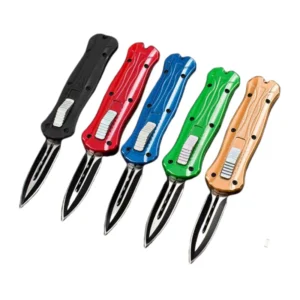
For buyers looking to stock automatic knives, the OTF and automatic knife wholesale category is a useful place to compare options for different customer segments. Whether you serve collectors, outdoor customers, or convenience-focused shoppers, the main priority should be matching the product to the laws in the destination market.
Common mistakes to avoid
Many problems with switchblade purchases come from simple misunderstandings. These are some of the most common mistakes retailers and consumers make:
- Assuming all folding knives are treated the same: Automatic opening can trigger different rules.
- Ignoring local carry restrictions: A knife may be legal to own but not legal to carry openly or concealed.
- Overlooking shipping destinations: A legal product in one state may be restricted in another.
- Using vague product descriptions: Poor labeling can lead to customer confusion and compliance issues.
- Relying on outdated information: Knife laws can change, so older advice may no longer apply.
Another common mistake is treating a switchblade as a novelty item without considering storage and access. Even where ownership is legal, responsible storage matters. Keep knives secured, out of reach of children, and away from areas where they may be mistaken for everyday tools by someone unfamiliar with the product.
How to verify legality before you buy or resell
The best way to answer whether a switchblade knife is illegal is to check the exact place where the knife will be owned, carried, or sold. Start with official state or local government sources when possible. If you are a reseller or distributor, review the destination state’s knife laws and any marketplace policies that may apply.
It also helps to document your internal review process. Keep records of product specs, shipping restrictions, and customer communications. That can reduce disputes if a buyer later says they were unaware of a restriction.
For businesses that want to source inventory responsibly, it is wise to ask suppliers direct questions before ordering. If you need a wholesale starting point, you can send a request through the wholesale inquiry form to discuss product availability and business needs.
FAQ: switchblade knife legality
Can I own a switchblade legally?
In many places, yes, but not everywhere. Ownership rules vary by jurisdiction, so you should verify your local law before buying.
Is it illegal to carry a switchblade in public?
It can be. Some areas allow ownership but restrict concealed or open carry. Public carry rules may also depend on blade length and location.
Are switchblades legal to sell online?
Online sale may be allowed in some places, but shipping restrictions and destination laws can affect whether the transaction is lawful. Sellers should check both origin and destination rules.
Do wholesale buyers need to worry about knife laws too?
Yes. Wholesale buyers need to consider where the inventory will be resold, because legal restrictions can affect distribution, returns, and customer support.
What is the safest approach if I am unsure?
Do not assume the knife is legal just because it is available for sale. Confirm the current rules for your location and, when needed, speak with a qualified legal professional.
The bottom line for shoppers and businesses
A switchblade knife is not universally illegal, but it is often regulated more closely than a standard manual folder. The real answer depends on where you are, how the knife is classified, and whether you are buying, carrying, shipping, or reselling it. For consumers, that means checking local rules before purchase. For retailers and wholesale buyers, it means building compliance into sourcing, listing, and fulfillment decisions from the start.
If you want to stock automatic knives responsibly, focus on accurate product details, destination-market rules, and reliable supplier communication. That approach helps protect your business while giving customers the information they need to buy with confidence.