

Is a Pocket Knife Illegal? What Buyers Should Know Before They Carry or Stock One

Short answer
Learn when a pocket knife may be legal or restricted, what factors affect carry laws, and what retail and wholesale buyers should check before stocking knives.
In this article
- 01 Why the answer changes from place to place
- 02 Common pocket knife types and how they are often viewed
- 03 Basic manual folding knives
- 04 Assisted-opening knives
- 05 Automatic or OTF-style knives
- 06 Situations where a pocket knife can become a legal problem
- 07 What retail buyers and distributors should check before stocking knives
- 08 Common mistakes people make when assuming a pocket knife is legal
- 09 How to choose a pocket knife with compliance in mind
- 10 Practical FAQ
- 11 Is a pocket knife illegal to own?
- 12 Is a pocket knife illegal to carry in public?
- 13 Are automatic or OTF knives more restricted?
- 14 Can a business sell pocket knives online?
- 15 What should I do before carrying a pocket knife on a trip?
- 16 Final takeaway
A pocket knife is not automatically illegal, but whether you can legally carry or sell one depends on the blade type, blade length, opening mechanism, location, and local rules. In many places, a simple folding knife is allowed for everyday tasks, while automatic, assisted-opening, or concealed-carry restrictions can change the answer quickly. If you are buying for personal use, a retail store, or wholesale resale, the safest approach is to verify the rules where the knife will be carried, sold, or shipped.
Why the answer changes from place to place
Knife laws are not uniform. A pocket knife that is fine in one city may be restricted in another state, county, or country. Some laws focus on blade length, some on how the knife opens, and others on where it is carried. Even the same knife can be treated differently depending on whether it is in a glove box, a backpack, a work bag, or a pocket.
That is why the question “is pocket knife illegal” does not have one universal answer. The legal status usually depends on a combination of factors:
- Blade length: Shorter blades are often treated more leniently, but not always.
- Opening style: Manual folders are often simpler to classify than automatic or assisted-opening models.
- Carry method: Open carry, concealed carry, and carry in restricted areas can all be treated differently.
- Location: Schools, government buildings, airports, and private businesses often have separate restrictions.
- Age of the carrier: Some places set minimum age requirements for possession or purchase.
Common pocket knife types and how they are often viewed
Not every folding knife is treated the same way. For buyers and resellers, understanding the category matters before placing an order or putting a product on a shelf.
Basic manual folding knives
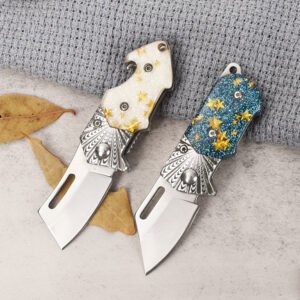
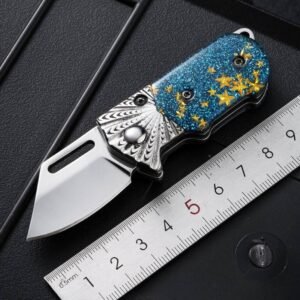
These are the classic pocket knives that open by hand, usually with a thumb stud, nail nick, or similar non-automatic feature. In many jurisdictions, they are the least complicated option, especially when the blade is modest in length and the knife is clearly intended for utility use.
Assisted-opening knives
Assisted-openers sit in a gray area in some places. The blade does not deploy itself without initial pressure, but the spring assistance can trigger extra restrictions. Retailers should be careful not to assume an assisted-opening model is treated the same as a standard folder.
Automatic or OTF-style knives
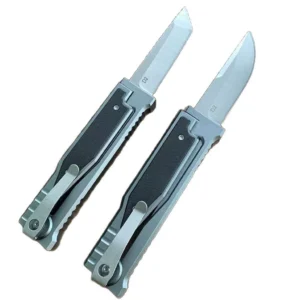
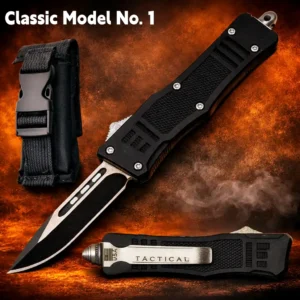
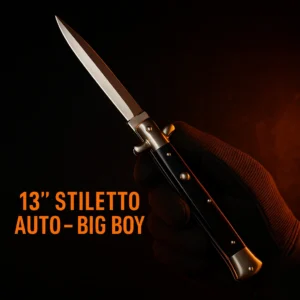
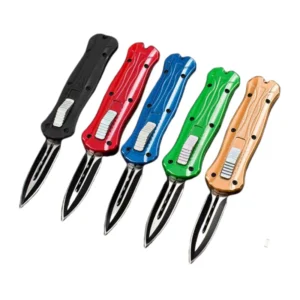
Automatic knives and out-the-front models may face stricter rules in many areas. If you stock these products, it is especially important to review the laws where your customers operate. For wholesale buyers exploring this category, the OTF and automatic knife wholesale category can be a useful place to compare product styles while keeping local compliance in mind.
Situations where a pocket knife can become a legal problem
Even a small folding knife can create trouble if it is carried in the wrong place or used in a prohibited way. Most legal issues do not come from ordinary utility use; they come from context.
- Restricted locations: Schools, courthouses, airports, and secure facilities often prohibit knives regardless of size.
- Intent: Carrying a knife for work or daily tasks is viewed differently than carrying it in a threatening way.
- Concealment rules: Some jurisdictions care whether the knife is openly visible or hidden.
- Local definitions: Certain laws classify knives by blade shape, locking mechanism, or opening speed.
- Transport issues: A knife in checked luggage, a vehicle, or a shipping package may be treated differently from one in a pocket.
For this reason, a customer who asks whether a pocket knife is legal should also ask where it will be carried and how it will be used.
What retail buyers and distributors should check before stocking knives
If you run a store, online shop, or distribution business, the legal question is not only about ownership. It is also about what you sell, where you ship, and how clearly you communicate product details.
Useful buyer criteria include:
- Blade length and product specs: List measurements clearly so customers can compare them to local rules.
- Opening mechanism: Manual, assisted, automatic, and OTF products should be labeled accurately.
- Intended use: Everyday carry, outdoor utility, work use, and collection items may appeal to different buyers.
- Shipping restrictions: Review destination rules before accepting orders.
- Age-gated sales: Consider whether the product category requires age verification in your market.
Wholesale buyers often benefit from sourcing from suppliers who can describe product features clearly and consistently. If you are building inventory for a retail case or online catalog, the ability to sort by knife type and opening style can reduce customer confusion and returns. For bulk purchasing inquiries, you can also use the wholesale inquiry form to discuss product availability and order needs.
Common mistakes people make when assuming a pocket knife is legal
Many problems come from assumptions rather than the knife itself. These are some of the most common mistakes buyers and carriers make:
- Assuming one state rule applies everywhere: City ordinances and venue policies may be stricter than state law.
- Ignoring blade length: A knife that seems “small” may still exceed a local threshold.
- Overlooking opening style: A knife that opens quickly may be treated differently from a standard folder.
- Carrying in prohibited places: Even a lawful knife may be banned at airports, schools, or government buildings.
- Buying for resale without checking destination rules: What is legal to stock in one market may not be legal to ship into another.
How to choose a pocket knife with compliance in mind
If your goal is to choose a practical knife without creating unnecessary legal risk, focus on simple, well-documented features. A straightforward folding knife with clear product specs is often easier for customers to understand than a model with ambiguous features.
Here are a few practical shopping considerations:
- Keep the design simple: Manual folders are often the easiest to explain and sell.
- Check the blade size: Smaller blades may fit more local rules, but you should still verify.
- Look for clear construction details: Lock type, handle material, and carry clip placement matter to buyers.
- Match the use case: Work, camping, package opening, and collection all have different customer expectations.
- Provide care guidance: Safe storage and responsible use help reinforce lawful ownership.
For wholesale and retail businesses, the best-selling products are often the ones that balance utility, durability, and clarity. Customers appreciate knives that are easy to identify, easy to store, and easy to understand.
Practical FAQ
Is a pocket knife illegal to own?
In many places, no. Ownership is often legal, but carry rules, blade limits, and local exceptions can still apply. Always confirm the rules where the knife will be used or stored.
Is a pocket knife illegal to carry in public?
It depends on the location and the knife type. Some areas allow everyday utility knives, while others restrict concealed carry, certain blade lengths, or specific opening mechanisms.
Are automatic or OTF knives more restricted?
Often yes, but not everywhere. These knives can face stricter rules than standard manual folders, so buyers should verify local laws before purchasing or reselling them.
Can a business sell pocket knives online?
Yes, many do, but sellers should check destination restrictions, product labeling, age requirements, and shipping policies. Clear descriptions help reduce compliance issues and customer confusion.
What should I do before carrying a pocket knife on a trip?
Check the rules for every place you will pass through, including airports, hotels, public venues, and local jurisdictions. A knife that is acceptable at home may not be acceptable everywhere else.
Final takeaway
A pocket knife is not automatically illegal, but legality depends on where you are, how the knife opens, how large the blade is, and how it is carried or sold. For shoppers, that means checking local rules before carrying one. For retailers and wholesale buyers, it means choosing products carefully, describing them accurately, and staying aware of destination-specific restrictions. When in doubt, verify the current law in the relevant jurisdiction before buying, carrying, or reselling any knife.