

Can I Pack a Pocket Knife in My Checked Luggage?

Short answer
Learn whether you can pack a pocket knife in checked luggage, what airline and TSA-style rules usually mean, how to store it safely, and what buyers should know
In this article
- 01 What travelers usually need to know first
- 02 Why checked luggage is different from carry-on bags
- 03 How to pack a pocket knife safely for air travel
- 04 Common mistakes people make before flying
- 05 What to check before you travel with a pocket knife
- 06 Are pocket knives and folding knives treated the same?
- 07 When checked luggage may still not be the right choice
- 08 Practical buyer criteria for travel-friendly folding knives
- 09 Responsible travel and storage habits
- 10 FAQ
- 11 Can I put a pocket knife in checked luggage on a domestic flight?
- 12 Can I bring a pocket knife in my carry-on if it is small?
- 13 Do I need to declare a pocket knife in checked baggage?
- 14 What if my knife is automatic or assisted-opening?
- 15 What is the safest way to pack it?
- 16 Final takeaway
Yes, in many cases you can pack a pocket knife in your checked luggage, but you should still verify the rules for your airline, departure airport, destination, and any connecting flights. In general, pocket knives are not allowed in carry-on bags, while checked bags are often the right place for them if they are packed safely and comply with local laws. The details matter, though: blade type, knife size, country or state rules, and even how the knife is stored can affect whether it is acceptable to travel with.
What travelers usually need to know first
For most domestic trips, a standard folding pocket knife is typically permitted in checked baggage if it is sheathed or otherwise secured so it cannot open during handling. That said, airport security rules are only one part of the picture. Some places have stricter knife laws than others, and a knife that is fine in one location may be restricted in another. If you are flying internationally or through multiple jurisdictions, check the rules before you pack.
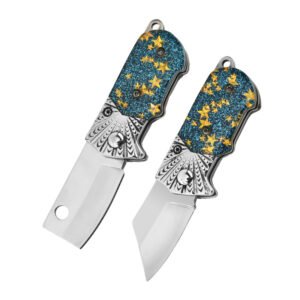
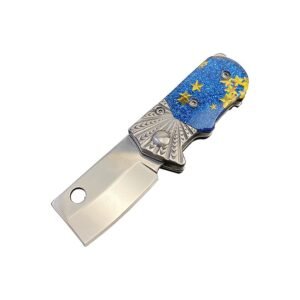
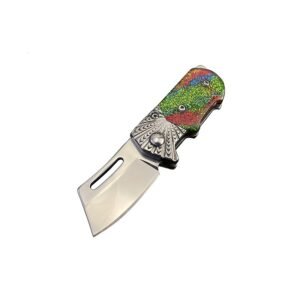
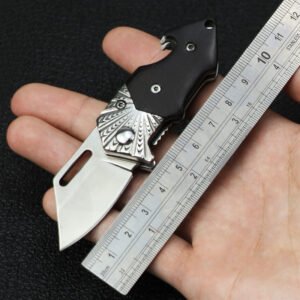
For shoppers, store buyers, and resellers, this matters because customers often ask whether a knife is “travel friendly.” The honest answer is that travel suitability depends on the knife style and the destination rules, not just the product itself. A compact folding knife may be easier to transport than a large tactical folder, but both should still be treated as items that require careful storage and responsible handling.
Why checked luggage is different from carry-on bags
Carry-on screening is designed to keep sharp objects out of the cabin, which is why pocket knives are commonly prohibited there. Checked luggage, by contrast, is stored in the aircraft hold and handled separately from passengers. That is why many travelers are allowed to place pocket knives in checked bags instead of trying to bring them through the checkpoint.
Even in checked baggage, though, the knife should not be loose. A folding knife can open if it shifts during transport, and any exposed blade can create a hazard for baggage handlers or for you when you unpack. A secure pouch, original box, or hard case is a better choice than tossing the knife into a pocket with other gear.
How to pack a pocket knife safely for air travel
Safe packing is simple, but it should be done carefully. The goal is to keep the knife closed, protected, and easy to identify when you unpack it.
- Close the blade fully before packing.
- Use a sheath, pouch, or hard case to reduce movement.
- Place the knife inside the center of your checked bag rather than near the opening.
- Keep it separate from loose tools or sharp accessories that could shift around.
- Consider a lockable suitcase for added protection if you are carrying multiple items.
If you are a retailer or wholesale buyer shipping knives for events, trade shows, or inventory transfer, the same principle applies: secure packaging reduces damage and helps avoid confusion during inspection. Many buyers prefer folding knives because they are easier to package and display than fixed blades, especially when sourcing from a folding knife wholesale category that offers a range of sizes and opening mechanisms.
Common mistakes people make before flying
Most problems happen because travelers assume “checked bag” means “anything goes.” That is not a safe assumption. A few common mistakes can create delays or lead to confiscation.
- Packing the knife loose where it can open or get damaged.
- Forgetting a knife is in a backpack that gets used as a carry-on.
- Traveling with a knife that violates local law at the destination.
- Ignoring blade style restrictions, such as assisted-opening or automatic designs in places where they are limited.
- Assuming one country’s rules apply everywhere on international routes.
Another mistake is packing collectible or high-value knives without documentation. If you are carrying premium merchandise for retail display or wholesale distribution, keep product details, receipts, and item descriptions available. That can help if a bag is inspected or if you need to explain the contents to airline staff or customs officials.
What to check before you travel with a pocket knife
Before you pack, take a few minutes to review the practical details that matter most. This is especially important if you are traveling for business, attending a trade event, or transporting inventory.
- Airline policy: Confirm the carrier’s current baggage rules.
- Airport and security guidance: Review the departure country’s screening rules.
- Destination laws: Check state, provincial, or national restrictions where you are landing.
- Knife type: Note whether the knife is a basic folder, assisted opener, or automatic model.
- Blade length and locking style: Some places place limits on these features.
For B2B buyers, these same criteria can influence product selection. If your customers are outdoor shoppers, everyday-carry users, or travelers, simpler folding knives often fit more use cases than specialty models. The best inventory mix is usually one that balances durability, price point, and compliance-friendly features.
Are pocket knives and folding knives treated the same?
In everyday conversation, people often use “pocket knife” and “folding knife” to mean the same thing. That is usually fine for travel discussions, because both refer to knives with blades that fold into the handle. However, some folding knives have assisted-opening mechanisms, locking systems, or blade shapes that may be subject to different rules depending on where you are.
If you are buying for resale, it helps to understand these differences. A simple manual folder is often easier to market as a general-purpose item, while more specialized designs may appeal to experienced customers but require more careful compliance review. For buyers building a catalog, it is smart to choose products with broad appeal and clear product descriptions so customers know exactly what they are getting.
When checked luggage may still not be the right choice
There are situations where it is better not to travel with a pocket knife at all. If you are flying into a place with strict knife laws, attending an event with security restrictions, or unsure about connecting flights, leaving the knife at home may be the simplest option. This is especially true for casual travelers who do not need the tool during the trip.
For wholesalers and distributors, this is a useful selling point to remember: not every customer wants a knife for travel. Some want a dependable everyday tool for work, camping, or emergency kits. Others want compact designs that are easy to store and display. Offering a range of folding knives helps meet those different needs without overcomplicating the buying decision.
Practical buyer criteria for travel-friendly folding knives
If you are selecting knives for retail shelves, online listings, or wholesale orders, a few features tend to make folding knives more practical for customers who may travel with them.
- Compact closed length for easier storage.
- Reliable locking mechanism that keeps the blade closed during transport.
- Durable handle material that stands up to repeated packing and unpacking.
- Moderate blade size that fits common everyday-carry use cases.
- Clear product labeling so customers understand the knife style and features.
Those details matter to end users, but they also matter to buyers placing wholesale orders. A well-chosen assortment can reduce returns and improve customer satisfaction because shoppers are more likely to find a knife that matches their intended use, whether that is camping, utility work, or occasional travel.
Responsible travel and storage habits
Even when a pocket knife is allowed in checked luggage, responsible ownership still matters. Keep the knife out of reach of children, do not leave it loose in a bag after arrival, and store it according to local rules once you reach your destination. If you are traveling for work or retail purposes, make sure everyone handling the luggage understands what is inside.
For resellers and distributors, it is also helpful to include simple care guidance with the product. A short note about safe storage, cleaning, and checking local laws can add value without overcomplicating the listing. Customers appreciate clear, practical information more than vague claims.
FAQ
Can I put a pocket knife in checked luggage on a domestic flight?
Often yes, but you should still confirm your airline’s policy and any local restrictions at departure and arrival. Pack it securely so the blade cannot open.
Can I bring a pocket knife in my carry-on if it is small?
Usually no. Small size does not automatically make a knife acceptable in carry-on baggage. Checked luggage is generally the safer option if the knife is allowed at all.
Do I need to declare a pocket knife in checked baggage?
Usually there is no special declaration for a standard pocket knife, but rules can vary by airline and country. If you are unsure, contact the carrier before you fly.
What if my knife is automatic or assisted-opening?
Those designs may face additional restrictions in some places. Check the laws and policies that apply to your route before packing.
What is the safest way to pack it?
Close the blade, place the knife in a pouch or case, and store it in the middle of your checked bag so it cannot shift around.
Final takeaway
In many cases, you can pack a pocket knife in your checked luggage if it is stored safely and allowed by the relevant rules. The best approach is to check your airline, your route, and your destination laws before you travel. For shoppers and wholesale buyers alike, the most practical folding knives are the ones that balance convenience, compliance, and dependable construction. If you are building inventory for customers who want versatile, easy-to-store options, a well-selected folding knife lineup is often the most flexible place to start.