




What Is the Legal Length of a Pocket Knife?

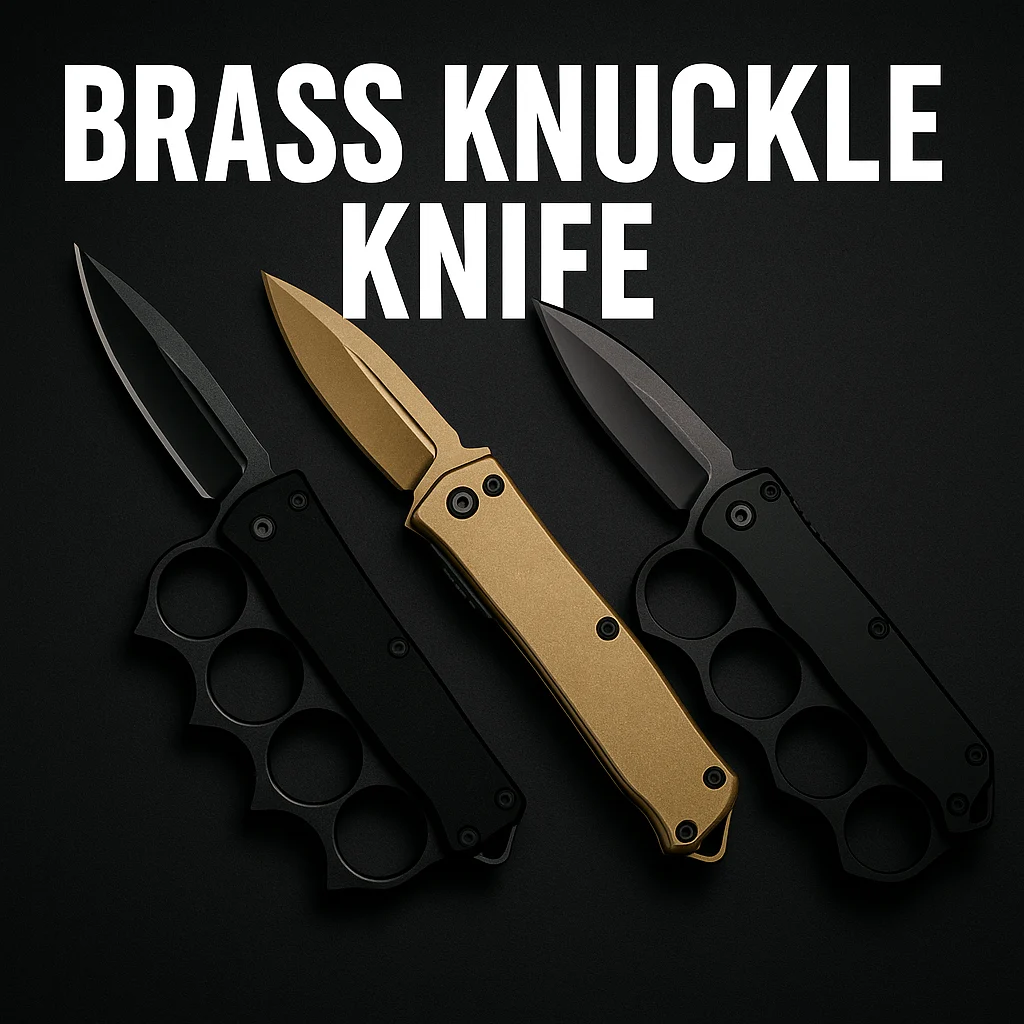
The legal length of a pocket knife depends on where you are, because there is no single rule that applies everywhere. In many places, a short folding knife is generally easier to carry legally, but blade length is only one part of the picture. Local laws may also consider blade type, locking mechanism, intended use, school or government property restrictions, and whether the knife is carried openly or concealed. If you are buying for personal use, retail resale, or wholesale distribution, the safest approach is to check the exact rules for your city, county, and state before making assumptions.
Why pocket knife length matters
Blade length is one of the most common factors used by lawmakers when defining a legal pocket knife. Some places set a maximum blade length for everyday carry, while others allow longer blades but restrict certain knife styles or locations. A knife that is perfectly acceptable in one state may be limited in another, so buyers should not rely on a single national standard.
For retailers and distributors, this matters even more because customers often ask whether a knife is “legal.” A better answer is usually that legality depends on the buyer’s location and intended use. When stocking inventory, it helps to offer a range of folding knives with different blade lengths so customers can choose based on their local rules and preferences. You can browse a wide selection in our folding knife wholesale category.
There is no universal pocket knife length limit
People often ask for one exact measurement, but the truth is that pocket knife laws vary widely. Some jurisdictions use a simple blade-length limit, such as a certain number of inches. Others focus on whether the knife is a folding knife, whether it locks, or whether it is being carried in a sensitive place like a school, courthouse, or airport.
In practice, many shoppers look for a compact everyday-carry knife because smaller folding knives are often less restricted and easier to store safely. Still, size alone does not guarantee legality. A small knife can be prohibited in one setting, while a larger tool may be allowed in another under specific conditions.
Common factors that affect legality
When checking whether a pocket knife is legal to carry, look beyond blade length. These are some of the most common factors that can change the answer:
- Blade length: Some places set a maximum measurable blade length for carry.
- Locking mechanism: Certain laws treat locking folders differently from non-locking knives.
- Opening method: Assisted-opening or one-handed opening knives may be regulated differently in some areas.
- Concealed vs. open carry: A knife may be legal in one form of carry but not another.
- Location restrictions: Schools, government buildings, and private businesses may have separate rules.
- Age limits: Some places restrict knife sales or carry by minors.
For wholesale buyers, this means product selection should be practical and market-aware. A compact folding knife with a modest blade length and a straightforward design is often easier to merchandise across different regions than a more specialized model. That does not make it universally legal, but it can reduce customer confusion.
How shoppers can think about blade length
If you are choosing a pocket knife for everyday tasks, blade length should match the work you expect to do. Very small blades are easier to carry and may fit more comfortably within local rules, but they can feel limited for heavier cutting tasks. Larger blades can be more versatile for utility work, but they may be more likely to trigger local restrictions.
As a general buying approach, many customers compare pocket knives in a few practical size ranges:
- Compact blades: Good for light daily tasks, small packages, and discreet carry.
- Mid-size blades: A common balance of utility, comfort, and portability.
- Longer blades: Better for some work tasks, but more likely to face legal or workplace restrictions.
Instead of asking only, “What is the legal length?”, it is often more useful to ask, “What blade length is appropriate for my local rules and the way I plan to use it?”
Examples of real-world buying decisions
A retail customer in a city with a strict blade-length limit may want a small folding knife for opening boxes and cutting cord at home. In that case, a compact folder with a simple handle and safe lockup may be the best fit. Another customer in a rural area may want a mid-size knife for work gloves, outdoor tasks, and general utility use, and may choose a slightly larger blade after verifying local rules.
For wholesale buyers, the same logic applies at scale. A store near an urban commuter market may stock more compact everyday-carry knives, while a shop serving contractors, outdoor customers, or general hardware buyers may need a broader range. The most successful inventory usually reflects the local customer base, not just one standard size.
Mistakes to avoid when checking knife legality
One common mistake is assuming that a knife is legal because it is sold openly online or in a store. Retail availability does not mean the knife is legal to carry everywhere. Another mistake is measuring the knife incorrectly. Some laws measure only the blade, while others may have specific ways of determining length from the handle to the tip. A third mistake is overlooking location-based rules. A knife that is fine in a vehicle or at home may still be restricted on school grounds or in a government building.
It is also a mistake to rely on old information. Knife laws can change, and local enforcement practices can differ. Before carrying or reselling, verify current rules from official or qualified local sources. When in doubt, choose a more conservative product mix and encourage customers to check their own jurisdiction.
What wholesale buyers should look for
For B2B buyers, the best folding knives for broad distribution are usually the ones that are easy to describe, easy to display, and easy for customers to understand. Clear blade length, reliable construction, and straightforward folding action all help reduce returns and questions. It also helps to stock products in several sizes so buyers can match local regulations and customer preferences.
Useful buyer criteria include:
- Blade length clearly listed: Helps staff and customers make faster decisions.
- Solid folder construction: Important for safety and repeat purchases.
- Carry-friendly profile: Slim, practical designs often sell well.
- Broad appeal: Utility-focused knives tend to work across many customer segments.
- Consistent quality: Especially important for resellers and distributors handling volume.
If you are building an assortment, a balanced mix of compact and mid-size folders can serve many customers while keeping the catalog flexible. For a closer look at styles and configurations, the folding knife wholesale category is a useful starting point.
FAQ: pocket knife length and legality
Is there one legal pocket knife length everywhere?
No. Legal limits vary by location, and some places do not use a simple blade-length rule at all. Always check local law before carrying or selling a knife for everyday use.
Does a shorter pocket knife automatically make it legal?
Not necessarily. Blade length is only one factor. Locking style, opening method, carry method, and location can all matter.
Are folding knives treated differently from fixed blades?
Often, yes. Many laws distinguish between folding knives and fixed blades, but the details depend on the jurisdiction. A folding knife may be easier to carry legally in some places, but that is not guaranteed.
What should I stock if I sell knives to different regions?
Choose a range of folding knives with clearly stated blade lengths, practical designs, and reliable build quality. That makes it easier for customers to select products that fit their local requirements.
Where can I confirm the rules?
Start with official local or state government sources, and if needed, consult a qualified legal professional for guidance. This article is general information only and is not legal advice.
The safest approach for buyers and sellers
If you want a simple rule of thumb, remember this: the legal length of a pocket knife is not a single number you can use everywhere. The right knife is the one that fits local law, the intended use, and the buyer’s comfort level. For shoppers, that means verifying before carry. For retailers and wholesale buyers, it means stocking practical folding knives with clear specifications and enough variety to serve different markets.
When you focus on clarity, quality, and responsible ownership, you make it easier for customers to choose the right knife and easier for your business to reduce confusion. That is especially important in a category where small differences in length or design can change how a product is viewed by buyers and regulators alike.