




What Can a Pocket Knife Be Used to Deburr?

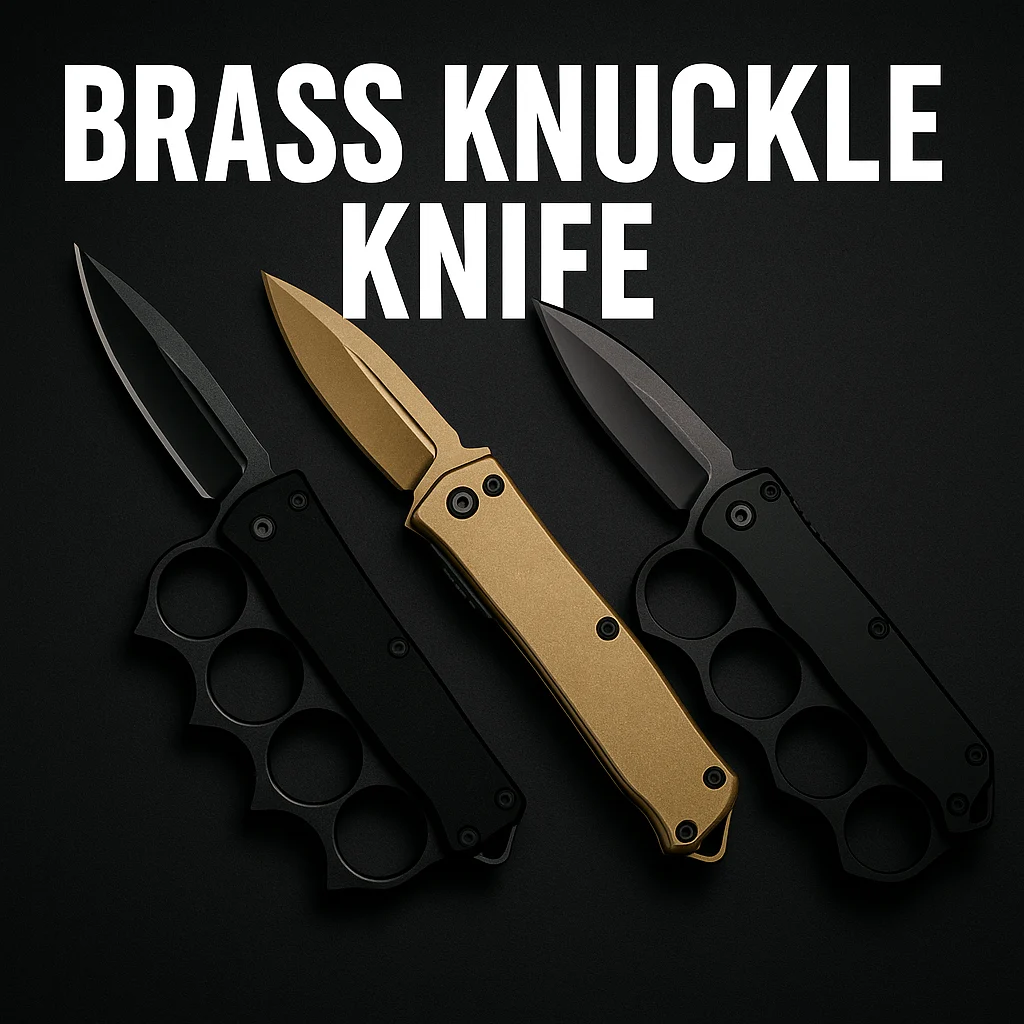
A pocket knife can be used to deburr small, light-duty edges on soft materials when a dedicated deburring tool is not available, but it is best suited for quick touch-ups rather than precision finishing. In practical terms, people may use a folding knife to remove a tiny burr from plastic, soft wood, thin packaging materials, or the edge of a rough cut in an emergency. For shop work, retail use, or resale, the key is choosing the right knife, using it carefully, and knowing when a proper deburring tool is the better choice.
What “Deburring” Means in Everyday Use
Deburring is the process of removing a small raised edge, rough spot, or leftover sliver after cutting, drilling, trimming, or machining. Those sharp little imperfections can catch on packaging, scratch surfaces, or make a finished item feel cheap. In a workshop or warehouse, burrs often show up on plastic straps, light metal edges, molded parts, wood trim, and cut tape. A pocket knife is sometimes used to clean up those edges when the material is soft and the burr is minor.
That said, a folding knife is not a substitute for a proper deburring blade, file, scraper, or finishing tool in production settings. It is a convenient hand tool for quick correction, field work, and small tasks where speed matters more than perfect finish.
What a Pocket Knife Can Be Used to Deburr
If you are asking, “a pocket knife can be used to deburr what exactly?” the most common answer is: small burrs on soft, manageable materials. Here are the situations where it can make sense.
Plastic and polymer edges
Light trimming on plastic banding, molded parts, or cut packaging edges can leave a thin raised lip. A sharp folding knife can sometimes shave that lip away cleanly, especially if the material is soft and the burr is easy to reach. This is common in packaging, product prep, and basic maintenance work.
Wood and composite materials
After cutting thin wood, plywood, or composite trim, there may be a small fuzz or splintered edge. A pocket knife can be used to deburr or tidy those spots, particularly on rough utility projects. It is useful for removing a tiny chip or evening out a snag before the item is handled or packed.
Cardboard, tape, and packaging materials
In shipping and warehouse environments, a folding knife is often used to clean up ragged cuts on cardboard, strapping, foam, and plastic wrap. While these are not “burrs” in the machining sense, shoppers and buyers often use the term to describe rough edges that need a quick cleanup.
Soft metal edges in non-precision work
Very small burrs on thin, soft metal can sometimes be knocked down carefully with a knife, but this is where caution matters most. For anything structural, load-bearing, or precision-made, a file or purpose-built deburring tool is usually safer and more consistent. If the edge is sharp enough to cut skin, gloves and proper tools should be considered.
When a Folding Knife Is the Right Tool
A pocket knife is most useful when the task is small, the material is soft, and the burr is minor. Buyers often appreciate this versatility because one compact tool can handle opening boxes, cutting strapping, trimming a rough edge, and making quick on-the-spot corrections. For field technicians, warehouse teams, and retail staff, that convenience matters.
For wholesale buyers, this is one reason folding knives remain steady sellers. A reliable knife gives end users a practical everyday carry tool that works in many environments without taking up much space. If you are stocking a selection for a store or online catalog, it helps to offer options that balance blade sharpness, lock strength, and comfortable handling. You can review styles in the folding knife wholesale category.
What to Look for in a Knife for Light Deburring
Not every pocket knife is a good choice for cleanup work. A buyer should look beyond appearance and focus on features that support controlled, safe use.
- Sharp, reliable edge: A clean edge reduces tearing and helps make smoother light passes on soft materials.
- Secure lock: A strong locking mechanism is important when applying careful pressure.
- Comfortable handle: Good grip texture and a shape that fits the hand help with control.
- Blade size that matches the task: Medium blades are often easier to manage than oversized ones for small cleanup work.
- Easy maintenance: A knife that sharpens easily and resists corrosion is a practical choice for frequent users.
For retailers and distributors, these features also affect customer satisfaction. Buyers tend to return to models that feel dependable, open smoothly, and hold up to daily utility tasks. In wholesale sourcing, consistency across batches is especially important, because end users notice differences in lockup, edge quality, and finish.
Mistakes to Avoid
Using a pocket knife for deburring can go wrong if the user treats it like a heavy-duty finishing tool. The most common mistakes are easy to avoid.
Using too much force
Pressing hard can gouge the material, slip off the edge, or damage the knife. Light, controlled contact is safer and usually gives a cleaner result.
Trying to fix large burrs
If the burr is thick, jagged, or attached to a hard surface, a pocket knife may only make the edge messier. A file, scraper, or proper deburring tool is a better fit.
Ignoring material type
Soft plastic, wood, and packaging respond differently than metal. A method that works well on cardboard may be wrong for aluminum or stainless steel. Matching the tool to the surface helps avoid damage.
Using a dull blade
A dull knife tears instead of slicing. That makes the edge rougher and increases the chance of slipping. For any utility knife, maintenance matters.
Skipping safe handling
Even for light cleanup work, users should keep fingers out of the cutting path, work on a stable surface, and store the knife closed when not in use. Local laws and workplace rules may also affect how folding knives are carried or used, so it is wise to verify what applies in your area.
How Wholesale Buyers Can Choose the Right Folding Knife
For B2B buyers, the best-selling folding knife is usually the one that fits everyday utility tasks without feeling flimsy. Customers want something that opens cleanly, locks firmly, and handles common jobs like opening packages, trimming material, and removing small rough edges.
When sourcing wholesale, consider these practical points:
- Target audience: Retail buyers may prefer compact, affordable models, while resellers may want a broader mix of styles and finishes.
- Build quality: Repeated use exposes weak pivots, poor blade alignment, and loose locks quickly.
- Presentation: Clean packaging and clear product details help online listings convert better.
- Variety: Offering different handle materials, blade shapes, and opening methods can widen appeal.
- Value balance: End users often want a knife that feels sturdy without being overpriced.
For store buyers and distributors, it is also helpful to think about the use cases customers actually have. A knife that can handle light deburring, box opening, and general utility work has broader appeal than a highly specialized blade. That versatility can support repeat sales and better shelf performance.
Practical Examples of Light Deburring
To make the idea more concrete, here are a few everyday examples where a pocket knife may be used carefully:
- Removing a small plastic lip from trimmed packaging
- Smoothing a splintered corner on thin wood
- Cleaning a rough cut on foam board or cardboard
- Trimming a tiny snag from a strap or band
- Knocking down a minor burr on a non-critical edge during field work
These are all light-duty tasks. If the work is repeated often, requires exact tolerances, or involves hard metal, a dedicated tool is the better long-term choice.
FAQ
Can a pocket knife replace a deburring tool?
Not in most cases. A pocket knife can help with small cleanup tasks, but a dedicated deburring tool is better for consistency, speed, and precision.
Is it safe to use a folding knife for deburring?
It can be safe for light tasks when handled carefully, but users should work slowly, keep the blade sharp, and follow common knife safety practices. If the material is hard or the edge is large, choose the proper tool instead.
What kind of buyer benefits most from a versatile folding knife?
Retail customers, warehouse staff, field technicians, outdoor users, and resellers all tend to value a folding knife that can handle everyday cutting and minor cleanup work.
Should wholesalers stock knives specifically for deburring?
Most wholesale buyers do better by stocking versatile folding knives that can support many utility tasks, including light edge cleanup. That gives customers more reasons to choose the product.
Do local laws matter?
Yes. Knife rules vary by location and workplace. Always verify local laws and any site-specific policies before carrying or using a folding knife.
A pocket knife can be used to deburr small, simple edges, but it works best as a quick utility solution rather than a precision finishing tool. For buyers, that makes folding knives a practical category with broad everyday appeal. The strongest products are the ones that combine control, durability, and comfort, so customers can rely on them for light cleanup work and much more.