

Can a Pocket Knife Go in Checked Luggage? What Travelers and Buyers Should Know

Short answer
Learn whether a pocket knife can go in checked luggage, how to pack it safely, what airlines and security may care about, and common mistakes to avoid.
Key Takeaways
- Separate carry-on rules, checked-bag rules, airline policy, and destination law before making a decision.
- Use current official guidance for travel questions; product descriptions alone are not enough.
- For resale, clear customer notes reduce confusion around travel, carry, and storage.
Terms Used Here
- Automatic knife
- A knife that opens by a spring-driven mechanism after the user activates a button, switch, or slider.
- Pocket knife
- A compact knife intended for pocket carry, often with a folding blade.
- Folding knife
- A knife with a blade that pivots into the handle for storage.
- Carry-on
- Items carried into an aircraft cabin rather than placed in checked baggage.
- Sheath
- A protective cover used to store or carry a knife safely.
In this article
- 01 What travelers should know before packing a pocket knife
- 02 How to pack a pocket knife in checked luggage
- 03 What kinds of pocket knives are more likely to raise questions
- 04 Common mistakes to avoid when flying with a pocket knife
- 05 Airline and airport policies can differ
- 06 Buyer criteria for travel-friendly folding knives
- 07 Features customers often value
- 08 Responsible travel with knives
- 09 Practical FAQ
- 10 Can a pocket knife go in checked luggage on most airlines?
- 11 Can I bring a small pocket knife in my carry-on if the blade is short?
- 12 Should I declare a pocket knife at the airport?
- 13 What is the safest way to pack it?
- 14 Are all folding knives treated the same?
- 15 What should wholesale buyers tell customers?
- 16 The bottom line
Yes, a pocket knife can usually go in checked luggage, as long as it is packed safely and you follow the airline and destination rules that apply to your trip. The important distinction is that pocket knives are generally not allowed in carry-on bags, but they are commonly permitted in checked bags. That said, the final answer can depend on blade type, local laws, airline policies, and where you are flying, so it is smart to verify the rules before you travel.
What travelers should know before packing a pocket knife
For most domestic and international trips, a folding knife is treated as a sharp item that must go in checked baggage rather than in the cabin. If you are asking, “can pocket knife go in checked luggage,” the practical answer is usually yes. The bigger concern is how it is packed and whether your destination has special restrictions on knife possession, blade length, locking mechanisms, or automatic-opening designs.
Security screening is focused on preventing dangerous items from reaching the cabin. Checked baggage is handled differently, but it is still subject to inspection, and prohibited items can be removed if they violate airline, airport, or country-specific rules. Travelers should also remember that customs and local authorities may have their own standards once they land.
How to pack a pocket knife in checked luggage
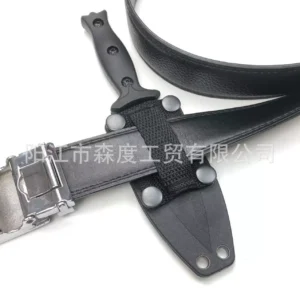
Safe packing matters. A pocket knife should be protected so the blade cannot open, move around, or cut through soft luggage during transit. A simple sheath, protective case, or original packaging can help. If the knife has a locking blade, make sure it is fully closed before packing and secured in a way that prevents accidental opening.
Good packing habits also make baggage handling easier for everyone. Place the knife in the center of the suitcase, surrounded by clothing or another soft layer, rather than near the zipper or outer wall. If you travel with multiple tools, keep them organized so they do not strike each other during rough handling. For resellers or buyers who ship travel-ready merchandise, this is also a useful point to communicate to customers.
- Use a sheath, case, or blade cover when possible.
- Keep the knife closed and secured.
- Place it inside checked luggage, never in carry-on bags.
- Pack it away from the suitcase edges and zippers.
- Check destination rules before departure.
What kinds of pocket knives are more likely to raise questions
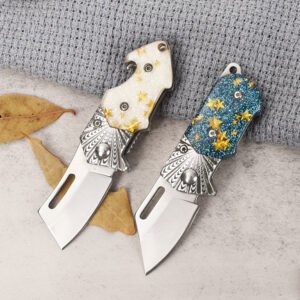
Not every folding knife is treated the same way. A basic manual pocket knife is often the least complicated option for travelers, while certain designs can draw more attention. Automatic knives, assisted-opening models, large blades, or knives with unusual mechanisms may be restricted in some places even if they are packed in checked luggage. Some destinations also have rules about concealed carry, locking blades, or blade length.
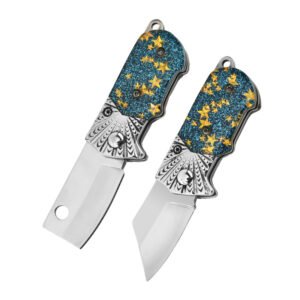
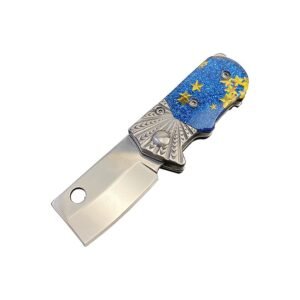
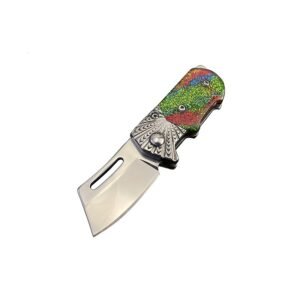
If you are a store buyer or distributor choosing products for travel-minded customers, this is where product selection matters. A broad folding knife assortment can serve many use cases, but buyers should understand which models are more universally acceptable and which may be better suited for specific markets. For a wider selection, you can review the folding knife wholesale category and compare styles, materials, and opening mechanisms.
Common mistakes to avoid when flying with a pocket knife
The most common mistake is leaving the knife in a carry-on or personal item. Even a small folding knife can be removed at security if it is discovered in the cabin bag. Another common problem is assuming that because a knife is legal at home, it will be acceptable everywhere else. Travel often crosses jurisdictions, and knife laws can change from one state or country to another.
People also forget that checked luggage rules do not override local possession laws. A knife that is allowed in a suitcase may still be restricted once you arrive. For that reason, it is wise to review the rules for departure, transit, and arrival locations. If you are carrying a knife for work, outdoor use, retail display, or a trade event, make sure the item is appropriate for each stop along the route.
- Do not place a pocket knife in carry-on luggage.
- Do not assume all countries treat folding knives the same.
- Do not pack a knife loosely where it can open or damage the bag.
- Do not rely on general advice if your trip involves special local restrictions.
Airline and airport policies can differ
Even when general guidance says a pocket knife can go in checked luggage, airlines and airports may add their own rules. Some carriers have packing requirements for sharp objects, while certain airports or countries may be stricter about blade types or dimensions. International travel is especially important to research because customs inspections can be more detailed than domestic screening.
If you are traveling for a knife show, warehouse visit, product sourcing trip, or business meeting, it is a good idea to keep purchase records and product descriptions handy. Wholesale buyers sometimes travel with sample inventory, and clear documentation can help explain what the item is if baggage is inspected. That does not guarantee acceptance, but it can reduce confusion.
Buyer criteria for travel-friendly folding knives
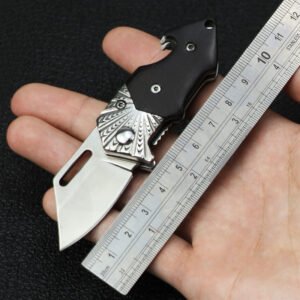
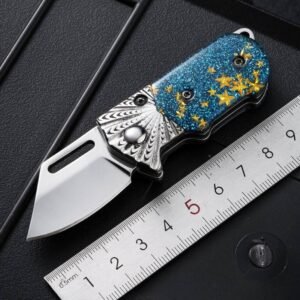
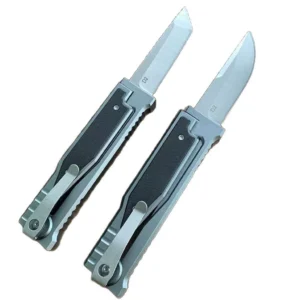
For retailers and wholesale customers, not every knife is equally suited to customers who travel. When selecting inventory, consider how the knife will be used and where it is likely to be carried. A compact manual folder with a secure lock, moderate blade size, and durable sheath can be easier for customers to store and pack responsibly than a more aggressive design.
Useful criteria include blade length, opening style, handle material, lock strength, weight, and overall portability. Stainless steel blades and sturdy handles are often attractive for customers who want practical everyday carry. For wholesale buyers, it also helps to think about packaging quality, included accessories, and how clearly the product can be described to end users. If you need a range of folding options, the folding knife wholesale selection is a useful place to compare product types for retail and distribution needs.
Features customers often value
- Compact folded size for easy storage
- Reliable closing mechanism
- Protective packaging or sheath included
- Everyday utility rather than oversized design
- Clear product specs for informed purchasing
Responsible travel with knives
Owning a pocket knife comes with responsibility, especially when flying. Keep the knife stored securely, follow the rules of the place you are visiting, and use it only for lawful, practical purposes such as utility work, camping, or packaging tasks where permitted. If you are unsure, it is better to leave the knife at home or ship it according to applicable laws rather than risk baggage issues.
For wholesale buyers, responsible product education can also improve customer satisfaction. Clear labeling, simple care instructions, and travel guidance help reduce returns and misunderstandings. This is especially useful for stores serving outdoor customers, hobbyists, and general tool buyers who may not know how airline rules work.
Practical FAQ
Can a pocket knife go in checked luggage on most airlines?
Usually yes, but it should be packed securely and must still comply with airline, airport, and destination rules. Always confirm before traveling.
Can I bring a small pocket knife in my carry-on if the blade is short?
In most cases, no. Carry-on restrictions are typically stricter, and even small blades are commonly prohibited in the cabin.
Should I declare a pocket knife at the airport?
Rules vary by location and airline. Some travelers choose to keep it properly packed in checked luggage and carry documentation if needed, but you should verify local procedures before your trip.
What is the safest way to pack it?
Close the knife fully, secure it in a sheath or case, and place it in the middle of your checked bag away from edges and loose items.
Are all folding knives treated the same?
No. Manual folders are often simpler to travel with than automatic or specialized designs, but destination laws and carrier rules still matter.
What should wholesale buyers tell customers?
Advise customers to verify travel rules, pack the knife securely, and avoid assuming a knife that is legal at home will be acceptable everywhere.
The bottom line
A pocket knife can usually go in checked luggage, but only if it is packed properly and allowed under the rules that apply to your trip. The safest approach is to check the airline, airport, and destination regulations ahead of time, then store the knife securely in your checked bag. For shoppers, retailers, and wholesale buyers, choosing practical folding knives and sharing clear travel guidance helps prevent problems and supports responsible ownership.