

Can I Bring a Pocket Knife on an Airplane?

Short answer
Learn whether you can bring a pocket knife on an airplane, how airport security treats folding knives, what to pack in checked luggage, and what buyers should k
In this article
- 01 What airport security usually allows
- 02 Why pocket knives are treated differently from other small tools
- 03 How to pack a knife if you must travel with one
- 04 Practical packing tips
- 05 Common mistakes travelers make at the airport
- 06 What buyers should look for in travel-conscious folding knives
- 07 Traveling with knives for work, camping, or collections
- 08 How to answer customers who ask this question
- 09 FAQ: Pocket knife air travel basics
- 10 Can I bring a pocket knife through airport security?
- 11 Can I pack a pocket knife in checked luggage?
- 12 Do small folding knives count as pocket knives?
- 13 What about multitools with a blade?
- 14 Are the rules the same everywhere?
- 15 Final takeaway
If you are asking, “Can I bring a pocket knife on an airplane?” the short answer is usually no in your carry-on bag. In most cases, folding knives, pocket knives, and other blades are not allowed through airport security and should be packed in checked luggage if local rules and the airline allow it. Because regulations can vary by country, airport, and carrier, it is always smart to verify the latest rules before you travel.
For shoppers, store buyers, and resellers, this matters because a knife that is perfectly legal to sell and own may still be a problem at the checkpoint. Knowing the difference helps avoid delays, confiscation, and unhappy customers.
What airport security usually allows
Security screening focuses on items that could be used as weapons in the cabin. That is why pocket knives, multitools with blades, and many folding knives are generally prohibited in carry-on bags. Even a small blade can be stopped at the checkpoint.
What is often permitted depends on the item’s design and where it is packed:
- Carry-on bags: Usually no pocket knives or blades.
- Checked luggage: Many knives can be packed here if properly secured and allowed by the destination rules.
- International travel: Rules can differ widely, so the destination country matters just as much as the departure airport.
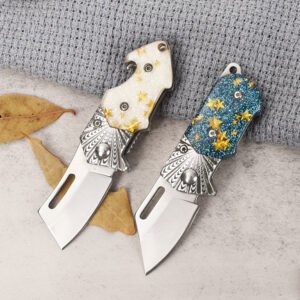
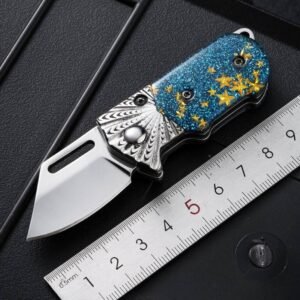
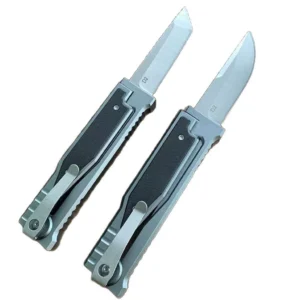
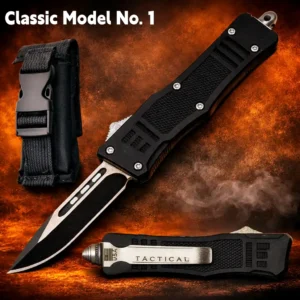
If you are traveling with products from a folding knife assortment, it helps to separate travel-friendly tools from items that should stay home. You can browse a broad folding knife wholesale selection when sourcing inventory for customers who ask about everyday carry and travel storage.
Why pocket knives are treated differently from other small tools
A pocket knife may look harmless in a backpack or glove compartment, but airport screening is based on cabin safety, not everyday convenience. A blade hidden inside a pen knife, Swiss-style tool, or compact folder can still be considered a restricted item. The size of the knife does not automatically make it acceptable in a carry-on.
Many travelers are surprised by this because they compare a pocket knife to nail clippers, tweezers, or small scissors. Those items may sometimes be allowed, but blades are handled more strictly. The safest approach is to assume that any knife with a sharpened edge belongs in checked baggage or should be left at home.
How to pack a knife if you must travel with one
If a knife is legal to transport and you need to bring it, pack it with care so it does not become a safety issue in checked luggage. A secure sheath, blade cover, or hard case can help prevent accidental cuts during baggage handling. Place the knife where it will not shift around with other gear.
Practical packing tips
- Use a protective sheath or wrap the blade securely.
- Keep the knife inside a closed pouch or case.
- Place it in checked luggage, not in a pocket or personal item.
- Do not pack it loosely with tools, chargers, or loose metal items.
- Check the rules for your destination before you fly.
For retailers and distributors, this is useful customer education. A buyer who understands safe packing is less likely to return a product complaint or blame the knife when the issue is actually airport policy.
Common mistakes travelers make at the airport
Many knife-related airport problems happen because people forget an item was in their bag. A small folder in a camera pouch, a multitool in a backpack, or a pocket knife clipped inside a jacket can easily be overlooked until screening. Another common mistake is assuming that “tiny” means “allowed.”
Here are the errors that cause the most trouble:
- Leaving a pocket knife in a carry-on. This is the most common issue and usually leads to confiscation or being turned back.
- Assuming a multitool is safe because it has other functions. If it has a blade, it may still be restricted.
- Relying on memory instead of checking the rules. Travel policies change, and different airports may interpret them differently.
- Packing the knife loosely in checked baggage. This can create a safety hazard for baggage handlers or damage the item.
- Forgetting about international laws. A knife that is acceptable at home may be restricted where you land.
What buyers should look for in travel-conscious folding knives
For wholesale buyers and retail stores, customer questions about air travel are a good reminder to stock practical, clearly described products. Not every folding knife is meant for travel, but some features make a product easier to explain and sell responsibly.
Useful buyer criteria include:
- Blade size and profile: Smaller blades may appeal to everyday users, but they still need clear handling guidance.
- Locking mechanism: A secure lock can improve general safety during use and storage.
- Carrying method: Pocket clip, sheath, or pouch options affect how the knife is stored.
- Material quality: Durable handles and corrosion-resistant blades help with long-term value.
- Product descriptions: Clear specs help customers understand where and how the knife can be used legally.
Wholesale buyers often benefit from products that are easy to categorize for store staff and end customers. If you are building a broader knife assortment for your catalog, consider items that are simple to explain, easy to display, and backed by clear product information.
Traveling with knives for work, camping, or collections
Some people travel with knives because they need them for outdoor activities, work, or collection purposes. That can be perfectly reasonable, but the travel plan should match the rules. A camping knife may be fine in checked baggage, while a collectible folder should be packed safely and declared if required by the airline or local authority.
If a customer is traveling for a trade show, hunting trip, or outdoor event, encourage them to think through the entire route, not just the airport. They should check:
- Departure airport rules
- Airline policies
- Destination country and local laws
- Return-trip rules as well
This is especially important for B2B buyers who resell to customers in multiple regions. A knife category that sells well online may still need region-specific guidance to reduce complaints and returns.
How to answer customers who ask this question
If you sell knives, customers will ask whether they can fly with a pocket knife. A clear, honest answer builds trust: generally, no, not in a carry-on. If they need to travel with one, it should usually go in checked luggage, and they should verify the rules for their route.
Helpful store language is simple and practical:
- “Pocket knives are usually not allowed in carry-on bags.”
- “Check airline and airport rules before flying.”
- “Pack blades securely in checked luggage if permitted.”
- “International travel may have different restrictions.”
This kind of guidance reduces confusion without making promises you cannot control. It also helps customers choose the right product for the right use.
FAQ: Pocket knife air travel basics
Can I bring a pocket knife through airport security?
In most cases, no. Pocket knives are usually not allowed in carry-on bags and may be confiscated if found during screening.
Can I pack a pocket knife in checked luggage?
Often yes, but only if it is allowed by the airline and destination rules. Pack it securely so it cannot move around or injure someone handling the bag.
Do small folding knives count as pocket knives?
Usually yes, if they have a blade and are designed to fold into a pocketable form. Even compact knives are commonly restricted in carry-on bags.
What about multitools with a blade?
Many multitools are treated the same way as knives if they include a blade. Do not assume a multitool is automatically allowed.
Are the rules the same everywhere?
No. Security policies vary by country, airport, and airline. Always check current rules before you travel.
Final takeaway
If you are wondering whether you can bring a pocket knife on an airplane, the safest general answer is that it should not go in your carry-on. For most travelers, the best option is to leave it at home or pack it securely in checked luggage only if the route and local rules allow it. For buyers and sellers, clear product descriptions and practical guidance help customers choose responsibly and avoid airport problems.
When in doubt, verify the latest airport, airline, and destination rules before departure. That simple step can save time, money, and frustration.