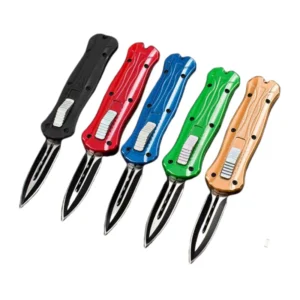


Can Water Damage an OTF Knife?


Short answer
Yes, water can damage an OTF knife if moisture stays inside the handle. Learn the safest cleanup steps, when to stop using it, and how to reduce rust, residue,
Key Takeaways
- Knife rules can vary by state, city, blade style, opening mechanism, carry method, and intended use.
- Do not treat a product nickname as a legal category; check the actual features and local rule.
- Retailers should keep legal or safety language factual and avoid promising that one item is allowed everywhere.
Terms Used Here
- OTF
- Out-the-front; a knife design where the blade moves forward from the front of the handle.
- Sheath
- A protective cover used to store or carry a knife safely.
In this article
- 01 The shortest safe method
- 02 Why water is a bigger problem for an OTF knife
- 03 What to do right away after water exposure
- 04 Clear continue or stop criteria
- 05 You can usually continue using it if:
- 06 Stop using it and clean or service it if:
- 07 Fresh water, salt water, and dirty water are not equal
- 08 Fresh water
- 09 Salt water
- 10 Dirty or sandy water
- 11 Pool water
- 12 Mistakes that make water damage worse
- 13 How to tell if the knife is probably okay
- 14 Can you prevent future water problems?
- 15 FAQ
- 16 Can rain damage an OTF knife?
- 17 Can water cause an OTF knife to misfire?
- 18 Should I rinse an OTF after salt water exposure?
- 19 Is compressed air safe?
- 20 Should I take the knife apart after it gets wet?
Yes, water can damage an OTF knife if moisture gets inside the handle and stays in the blade track, spring area, or switch channel.
That risk is higher on an OTF than on a simple manual folder because an OTF pulls the blade through a narrow internal track and relies on clean moving parts to fire and lock correctly. A little rain is usually manageable. Salt water, muddy water, pool water, or any liquid that leaves residue is more serious. If the knife feels gritty, slow, weak, or inconsistent after getting wet, stop cycling it until it is fully dry and lightly relubricated.
The shortest safe method
If your OTF just got wet and you need the safest next steps, do this:
- Tool list: clean cloth, compressed air or a low-pressure air blower, cotton swabs, clean fresh water only if salt or grit is present, and a light knife oil approved by the maker
- Retract the blade and stop firing it
- Wipe the outside dry, especially the blade opening and switch
- If salt, sand, mud, or pool residue is present, do a small controlled rinse with clean fresh water
- Blow moisture out with short bursts of air
- Let the knife dry completely for several hours in moving air at room temperature
- Add a very small amount of light lubricant
- Test it only a few times
When to stop: If it still misfires, drags, feels gritty, or shows rust after one careful dry-out, stop using it and arrange service instead of forcing the action.
Why water is a bigger problem for an OTF knife
Water on the outside of a knife is easy to see. Water inside an OTF is not. The blade opening leads into a narrow channel, and the switch and firing parts can trap moisture where a towel cannot reach. That hidden moisture can do three things at once: start corrosion, carry grit deeper into the track, and wash away the thin oil film that helps the mechanism move cleanly.
This is why an OTF that looks dry on the outside can still act wrong later. The common signs are slower deployment, weak retraction, gritty switch feel, scraping sounds, or visible orange rust near the opening. Even stainless blade steel is not fully rust-proof, and internal hardware may be less corrosion-resistant than the blade itself.
What to do right away after water exposure
- Retract the blade. Do not keep opening and closing the knife to shake out water. On an OTF, repeated cycling can drag debris deeper into the mechanism.
- Dry the exterior. Wipe the blade, handle, screws, switch, and the area around the blade opening.
- Rinse only if contamination is present. If the knife was exposed to salt water, chlorinated pool water, dirty runoff, or sand, a limited rinse with clean fresh water is usually safer than leaving corrosive or abrasive residue inside. Do not soak the knife.
- Use air, not heat. Blow out the blade opening and switch area with short, moderate bursts of compressed air. The goal is to move moisture out, not blast parts with extreme pressure.
- Let it dry fully. Leave it in a dry, ventilated place for several hours. A fan helps. Room temperature is enough.
- Apply very light lubricant. Use only a small amount. Too much oil can attract lint and slow the action.
- Test sparingly. Fire and retract it only a few times. If it feels normal, you are likely fine. If not, stop there.
If the manufacturer gives model-specific maintenance instructions, follow those first. Many OTF knives should not be owner-disassembled unless the maker clearly allows it.
Clear continue or stop criteria
You can usually continue using it if:
- The knife only saw light rain or a brief splash of clean fresh water
- It was dried the same day
- The action feels normal after drying and light lubrication
- There is no visible rust, crust, or sticky residue
Stop using it and clean or service it if:
- It was exposed to salt water, muddy water, sugary liquid, or pool water
- The blade hesitates, misfires, or fails to lock correctly
- The switch feels sticky or unusually heavy
- You hear scraping, grinding, or gritty clicking
- You see rust spots, white mineral crust, or dark residue
- The knife stayed wet for many hours or overnight
A good rule is simple: one careful dry-out and light relube is reasonable; repeated testing of a rough-feeling OTF is not.
Fresh water, salt water, and dirty water are not equal
Fresh water
This is usually the least serious case. If the knife was caught in rain or briefly splashed, drying and light relubrication are often enough.
Salt water
This is the highest corrosion risk most users will see. Salt can remain in the handle after the water itself is gone, and those deposits keep attracting moisture and attacking metal. In this case, a careful fresh-water rinse is usually the right first step before drying.
Dirty or sandy water
This can be mechanically worse than plain water because abrasive particles can enter the blade track and switch. The biggest mistake here is continuing to fire the knife while grit is still inside.
Pool water
Pool water should be treated as contamination, not as harmless fresh water. Chlorine and dissolved chemicals can leave residue and affect both corrosion resistance and smooth action.
Mistakes that make water damage worse
- Do not soak the knife in oil. Heavy oil traps lint and can slow the mechanism.
- Do not use grease inside the action. Grease tends to hold grit in the track.
- Do not use high heat. Avoid ovens, heat guns, boiling water, and direct flame.
- Do not keep cycling a gritty knife. That can wear internal sliding surfaces and lock faces.
- Do not assume stainless means safe to ignore. Stainless parts can still stain or rust, and internal hardware may corrode first.
- Do not disassemble it casually. OTF spring systems and internal layouts vary, and incorrect reassembly can create bigger problems than the water did.
How to tell if the knife is probably okay
After the knife has dried fully and received a very small amount of proper lubricant, it should behave about the same as it did before it got wet. Good signs include:
- Normal deployment and retraction speed
- Positive lockup
- No scraping or grinding sound
- No sticking at the switch
- No visible rust or residue at the blade opening
If those signs are present, brief water exposure probably did not cause lasting damage. If performance is still off, the safest move is service rather than repeated home testing.
Can you prevent future water problems?
You cannot make every OTF immune to water, but you can reduce risk. Dry the knife after rain or sweat exposure, keep lint out of the opening, use only light lubrication, and avoid storing the knife wet in a pocket, bag, sheath, or vehicle. If you are comparing models with different blade finishes or handle materials, the OTF knife catalog may help you review options.
FAQ
Can rain damage an OTF knife?
Usually not if you dry it the same day. Trouble starts when moisture stays trapped inside the handle.
Can water cause an OTF knife to misfire?
Yes. Water can carry grit into the mechanism, remove lubricant, and leave corrosion or residue that slows the action.
Should I rinse an OTF after salt water exposure?
Yes. A limited rinse with clean fresh water is usually better than leaving salt behind. Dry it thoroughly afterward.
Is compressed air safe?
Yes, if you use short bursts at moderate pressure. Very aggressive air pressure is unnecessary.
Should I take the knife apart after it gets wet?
Not unless the maker specifically allows owner disassembly for your model. Many OTF mechanisms are easy to misassemble.
If you need product-specific maintenance help for larger orders or model questions, use the wholesale inquiry form.