

Do You Need to Wash a Knife After Sharpening?


Short answer
Learn whether you need to wash a knife after sharpening, what to remove from the blade, how to dry it properly, and common mistakes to avoid.
In this article
- 01 Why a freshly sharpened knife should be cleaned
- 02 What to clean off the blade
- 03 The safest way to wash a knife after sharpening
- 04 When a full wash is not necessary
- 05 Mistakes to avoid after sharpening
- 06 Does the type of knife change the answer?
- 07 Quick care checklist after sharpening
- 08 FAQ
- 09 Can I just wipe the knife instead of washing it?
- 10 Should I wash the knife before or after sharpening?
- 11 Is dish soap safe for sharpened knives?
- 12 Do I need to oil the knife after washing?
- 13 What if the knife is an automatic or OTF model?
Yes, in most cases you should wash a knife after sharpening it. Sharpening leaves behind metal dust, abrasive residue, and sometimes oil or polishing compound, and those materials should not stay on the blade before the knife is used or stored. A quick wash, thorough dry, and light inspection are usually all it takes to finish the job properly.
Why a freshly sharpened knife should be cleaned
Sharpening changes the edge, but it also creates debris. Depending on the sharpening method, you may find fine steel particles, stone grit, slurry from water stones, or residue from honing compounds. Even if the blade looks clean, those tiny particles can cling to the edge and the flat of the blade.
For kitchen knives, cleaning after sharpening is especially important because the blade may go straight back to food prep. For EDC, utility, or display knives, cleaning helps prevent residue from attracting moisture, dulling the finish, or leaving streaks on the blade surface. It also gives you a chance to check whether the edge is even and whether any burr still needs attention.
What to clean off the blade
A proper post-sharpening wipe-down is usually about removing four things:
- Metal filings: Tiny bits of steel can remain along the edge after sharpening.
- Abrasive residue: Grit from stones, ceramic rods, or diamond surfaces can stick to the blade.
- Polish or compound: If you used a strop or polishing paste, some residue may remain.
- Finger oils and moisture: Handling the knife during sharpening can leave prints and damp spots.
These are easy to remove, but skipping the step can affect appearance, corrosion resistance, and first use. That matters to home cooks, retail customers, and wholesale buyers alike, especially when knives are being packaged, displayed, or resold.
The safest way to wash a knife after sharpening
You do not need an aggressive scrub. In fact, harsh cleaning can be counterproductive if the edge is still very fresh. A simple hand wash is usually best.
- Rinse the blade under warm water.
- Use a small amount of mild dish soap on a soft sponge or cloth.
- Wipe the blade carefully from spine to edge, not along the edge.
- Rinse away all soap and residue.
- Dry immediately with a clean towel.
- Inspect the edge and apply a light protective oil if the knife is carbon steel or will be stored for a while.
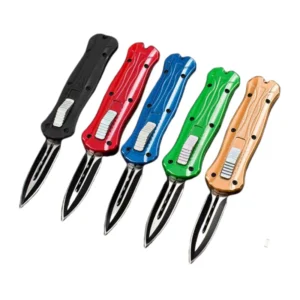
If the knife has a decorative coating, textured handle scales, or a folding mechanism, be careful not to soak it unless the manufacturer specifically allows that. For folding knives, keep water away from the pivot and internal parts. If you are sourcing products for retail or distribution, it is worth choosing models that are easier for end users to maintain, especially when you sell across different experience levels. A broad selection of automatic and OTF models can be found in the OTF and auto knife wholesale category.
When a full wash is not necessary
There are a few situations where a full wash may not be needed right away. If you sharpened a knife dry and only used a clean strop, a thorough wipe with a damp cloth may be enough. If the knife is a display item that will not be used, some buyers prefer a careful wipe and oiling rather than repeated washing, especially on carbon steel or collectible finishes.
That said, even in these cases, you should still remove visible dust or compound. A clean microfiber cloth works well for a final pass. The main goal is to leave no abrasive material on the edge or blade surface.
Mistakes to avoid after sharpening
Many edge problems happen after sharpening, not during it. These are the most common mistakes to avoid:
- Using the knife immediately without cleaning: This can transfer grit to food, packaging, or storage sheaths.
- Leaving the blade wet: Moisture can lead to spotting or corrosion, especially on high-carbon blades.
- Scrubbing the edge aggressively: A rough pad can damage the finish or nick a refined edge.
- Storing the knife dirty: Residue can harden, stain the blade, or affect the next sharpening session.
- Ignoring the handle and pivot area: Grit can collect in textured handles, liners, and moving parts.
If you run a shop or sell knives online, these details matter because customers often judge quality by how the knife arrives and how easy it is to maintain. Clear care guidance can reduce complaints and returns.
Does the type of knife change the answer?
Yes, the material and design make a difference. Stainless steel kitchen knives are generally forgiving, but they still benefit from a wash after sharpening. Carbon steel blades need faster drying and sometimes a light coat of oil. Serrated knives can trap debris in the gullets and may need a careful rinse and brush. Folding knives and OTF knives need extra attention around moving parts, where moisture and residue can collect.
For buyers comparing product lines, easy maintenance is a strong selling point. Retailers and distributors often do better with knives that balance sharpness, durability, and simple care requirements. If you are sourcing for a store or online catalog, it helps to ask whether the design allows straightforward cleaning after sharpening and routine use. For wholesale purchasing questions, you can also use the wholesale inquiry form to discuss product options and ordering details.
Quick care checklist after sharpening
Use this simple routine to finish sharpening the right way:
- Remove all visible dust, slurry, or compound.
- Wash with mild soap and warm water if the knife will be used soon.
- Dry the blade completely, including the spine and handle junction.
- Check for leftover burrs or rough spots.
- Store the knife in a dry place or sheath once fully dry.
This process takes only a minute or two, but it helps protect the edge and the blade finish. It also keeps the knife ready for safe, clean use.
FAQ
Can I just wipe the knife instead of washing it?
Sometimes a wipe is enough, especially if you used a clean strop and there is no visible residue. But if you used stones, compounds, or any method that leaves dust, washing is the better choice.
Should I wash the knife before or after sharpening?
Both can be useful. Washing before sharpening removes old grime that may interfere with the edge work. Washing after sharpening removes residue created during the process. In many cases, a knife benefits from both.
Is dish soap safe for sharpened knives?
Yes, mild dish soap is usually safe for most knives. Avoid abrasive cleaners, steel wool, or harsh chemicals that can damage the finish or handle.
Do I need to oil the knife after washing?
Not always. Stainless steel knives usually just need to be dried well. Carbon steel knives and knives stored for longer periods may benefit from a light protective oil, depending on the blade and manufacturer guidance.
What if the knife is an automatic or OTF model?
Be extra careful around the moving mechanism. Clean the blade surface without flooding the internal parts with water. If you are unsure how much moisture the model can handle, follow the maker’s care instructions.
In short, washing a knife after sharpening is a small but important final step. It removes residue, protects the edge, and leaves the knife ready for safe use or proper storage. For shoppers, that means better performance and easier upkeep. For retailers and wholesale buyers, it means fewer complaints, cleaner presentation, and a better customer experience overall.