
Short answer
Learn how to get a whetstone knife, what to look for before buying, common mistakes to avoid, and how wholesale buyers can source quality inventory responsibly.
In this article
- 01 What people usually mean when they ask how to get a whetstone knife
- 02 Start with the blade type and intended use
- 03 Helpful buyer criteria
- 04 How to choose a seller or supplier you can trust
- 05 What to check before placing an order
- 06 1. Read the product description closely
- 07 2. Confirm shipping and local restrictions
- 08 3. Inspect photos for fit and finish
- 09 4. Ask about after-sale support
- 10 Common mistakes buyers make
- 11 Buying for a retail store or online shop
- 12 How to store and care for the knife after purchase
- 13 Practical FAQ
- 14 Is a whetstone the best way to maintain every knife?
- 15 Can wholesale buyers order mixed knife styles?
- 16 What matters most for resale value?
- 17 Should I buy the cheapest option available?
- 18 Do I need to check local rules before ordering?
- 19 The simplest path to a good purchase
If you want to get a whetstone knife, the safest and smartest approach is to buy from a seller that clearly describes the blade style, sharpening method, materials, and local shipping rules, then choose a model that fits your intended use, budget, and storage needs. For retail shoppers, that means checking product details and reviews; for store owners and resellers, it means comparing supplier consistency, minimum order terms, and packaging quality before placing a larger order.
What people usually mean when they ask how to get a whetstone knife
In practice, buyers are often looking for one of two things: a knife that is meant to be maintained with a whetstone, or a knife that comes paired with a whetstone for ongoing care. Either way, the goal is the same: find a blade that is easy to sharpen, holds an edge well for its price range, and is supported by clear product information from the seller.
That matters because not every knife is intended for the same level of maintenance. Some blades are designed for occasional home use, while others are built for heavier cutting tasks and regular sharpening. Knowing the difference helps you avoid buying a product that is difficult to maintain or unsuitable for your customers.
Start with the blade type and intended use
Before you buy, decide how the knife will be used. A knife for display or light utility use has different needs than a knife that will be carried, collected, or sold in a retail shop. The sharpening method, steel type, and overall build quality should match the purpose.
Helpful buyer criteria
- Blade steel: Look for a steel that balances edge retention and ease of sharpening.
- Handle material: Choose a handle that feels secure and comfortable, especially for repeat use.
- Blade finish: A clean finish usually signals better quality control and presentation.
- Sharpening compatibility: Confirm the blade can be maintained with standard whetstones without unusual requirements.
- Packaging: For resale, packaging should protect the knife and present it well on shelves or online listings.
If you are buying for a storefront or online catalog, consistency matters just as much as the product itself. Customers notice when one item in a batch looks or performs differently from the next.
How to choose a seller or supplier you can trust
The easiest way to get the right whetstone-compatible knife is to work with a seller that provides clear specifications and responsive support. Product pages should tell you enough to compare options without guessing.
Look for listings that include overall length, blade length, material details, finish, and basic care instructions. If you are buying in quantity, ask whether the supplier can maintain the same model across multiple orders. That is especially important for distributors and retail buyers who need predictable inventory.
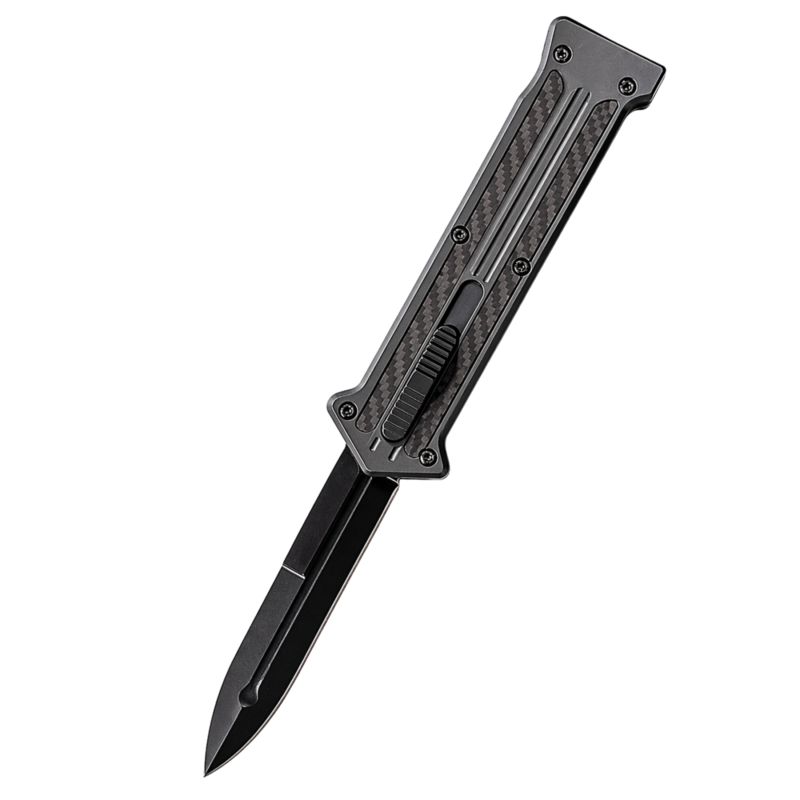
For wholesale buyers, a supplier should also be able to explain minimum order quantities, lead times, and whether mixed assortments are available. If you are building a broader knife section, it can help to review related product categories such as the auto OTF knife wholesale category to compare packaging standards and product range across different styles.
What to check before placing an order
Even when a knife looks good in photos, a few practical checks can save you from disappointment.
1. Read the product description closely
Look for honest details rather than vague claims. A reliable listing should explain the materials, intended use, and care requirements. If a seller only uses broad marketing language, you may not get enough information to make a confident purchase.
2. Confirm shipping and local restrictions
Knife rules vary by location, and buyers should always verify local laws and platform policies before ordering or reselling. This is especially important for online merchants and distributors who ship across state or regional lines. General information is not a substitute for checking the rules that apply where you operate.
3. Inspect photos for fit and finish
Good photos should show the blade profile, handle, and overall finish from multiple angles. Uneven edges, poor alignment, or sloppy assembly are warning signs, particularly for wholesale purchases where a small defect rate can become expensive across a larger lot.
4. Ask about after-sale support
Wholesale buyers should ask whether the supplier can help with replacements, order issues, or product questions. That support can matter as much as price when you are stocking a store or fulfilling customer orders.
Common mistakes buyers make
Many first-time buyers focus only on price. That can lead to inventory that looks appealing but performs poorly or creates returns. A low-cost knife that dulls quickly, feels loose in hand, or arrives inconsistently packaged can cost more in the long run.
- Buying without checking dimensions: A knife may be smaller or larger than expected.
- Ignoring maintenance needs: Some blades need more frequent sharpening than buyers realize.
- Overlooking packaging quality: Weak packaging increases damage during shipping and display.
- Skipping supplier verification: New buyers sometimes order from sellers who cannot support repeat business.
- Assuming one model fits every customer: Retail shelves do better with a mix of price points and styles.
A better approach is to start with a small test order if you are unsure. That gives you a chance to check finish, consistency, and customer response before committing to a larger purchase.
Buying for a retail store or online shop
If you are a retailer or reseller, how to get a whetstone knife becomes a sourcing decision as much as a product choice. You need items that are easy to describe, easy to ship, and easy for customers to understand.
Consider how the knife will appear in your listing or on your shelf. Clear naming, accurate dimensions, and simple care guidance help reduce confusion and returns. It also helps to stock related products that support the sale, such as sharpening accessories, protective cases, or care items, so customers can maintain their purchase properly.
Wholesale sourcing can be especially useful when you want stable margins and repeatable stock levels. If you are ready to compare supplier options or request pricing, you can use the wholesale inquiry form to ask about availability, volume pricing, and order terms.
How to store and care for the knife after purchase
Once you have the knife, proper storage helps preserve both performance and safety. Keep the blade clean and dry, store it in a secure place away from children, and use a sheath or protective packaging if the item includes one. If the knife is intended for regular use, routine sharpening with a whetstone can help maintain a reliable edge without overworking the blade.
Use gentle, consistent maintenance rather than waiting until the edge is severely dull. That approach usually extends the useful life of the knife and makes sharpening easier. As always, follow the manufacturer’s care guidance when available.
Practical FAQ
Is a whetstone the best way to maintain every knife?
Not every knife is the same, but whetstones are a common and effective maintenance method for many blades. Check the manufacturer’s recommendations and choose the sharpening method that matches the steel and construction.
Can wholesale buyers order mixed knife styles?
In many cases, yes, but it depends on the supplier’s policies and inventory. Ask whether mixed cartons or assorted selections are available, especially if you are stocking a store with different customer preferences.
What matters most for resale value?
Consistency, presentation, and clear product information. Buyers are more likely to trust a knife that arrives well packaged and matches the description exactly.
Should I buy the cheapest option available?
Not usually. Price matters, but poor fit, weak materials, and inconsistent finishing can create returns and complaints. A balanced option often performs better for both retail and wholesale buyers.
Do I need to check local rules before ordering?
Yes. Knife laws and shipping rules can vary by location. Always verify the rules that apply to your area before buying or reselling any knife product.
The simplest path to a good purchase
If you want to get a whetstone knife without unnecessary hassle, focus on clear product details, reliable sourcing, and the right match for your use case. Retail customers should prioritize comfort, maintenance, and safe storage. Store buyers and distributors should prioritize consistency, packaging, and supplier support. When you take that approach, you are far more likely to end up with inventory or a personal purchase that performs well and holds value over time.