

How Do Knife Sharpeners Work?


Short answer
Learn how knife sharpeners work, the differences between pull-through, whetstones, rods, and electric sharpeners, plus what to look for when buying for home or
In this article
- 01 What actually happens when a knife is sharpened
- 02 The main types of knife sharpeners and how they work
- 03 Manual pull-through sharpeners
- 04 Whetstones and sharpening stones
- 05 Sharpening rods and honing steels
- 06 Electric sharpeners
- 07 Why different sharpeners feel different in use
- 08 How to choose the right sharpener for your customer base
- 09 Common mistakes people make when sharpening knives
- 10 Safety and care during sharpening
- 11 What wholesale buyers should look for in a sharpening product
- 12 FAQ: how do knife sharpeners work?
- 13 Do sharpeners actually sharpen or just hone?
- 14 How often should a knife be sharpened?
- 15 Are electric sharpeners bad for knives?
- 16 Can one sharpener work on every knife?
- 17 What is the easiest sharpener for beginners?
A knife sharpener works by removing a tiny amount of metal from the blade to rebuild the edge, then refining that edge until it cuts cleanly again. In simple terms, sharpening reshapes the bevel, while honing and polishing help the edge stay aligned and feel smoother in use. The right sharpener depends on the knife type, the condition of the blade, and how much control or speed you want.
What actually happens when a knife is sharpened
Over time, a blade edge bends, rolls, or wears down from normal use. Even a good kitchen knife or pocket knife will start to feel dull after cutting cardboard, rope, produce, or packaging. A sharpener addresses that by grinding away a small amount of steel on both sides of the edge until a new, finer edge is formed.
The angle matters. Most sharpeners are designed to create a consistent bevel, which is the slanted surface that meets at the cutting edge. If the angle is too steep, the edge may feel durable but not very sharp. If it is too shallow, the blade can become razor-like but more delicate. That balance is why different sharpeners are built for different users and knife styles.
The main types of knife sharpeners and how they work
Manual pull-through sharpeners
Pull-through sharpeners use preset abrasive slots. You draw the blade through the slot, and the internal abrasive surfaces remove material at a fixed angle. Many models have two or three stages, such as coarse, medium, and fine. The coarse stage repairs a dull edge, while the fine stage smooths and finishes it.
These are popular because they are fast and easy to use. For a retail buyer, they are attractive for everyday home kitchens and basic maintenance. For wholesale buyers, they are often a strong add-on item because they are affordable and easy to explain to customers. The tradeoff is control: they are convenient, but they do not offer the precision of a stone or guided system.
Whetstones and sharpening stones
Whetstones work by giving the user direct control over the sharpening angle. The blade is moved across the stone, and the abrasive surface removes metal gradually. Coarse stones repair damaged or very dull edges. Medium stones establish the edge. Fine stones refine it and improve cutting feel.
This method takes more skill, but it gives excellent results. It is a favorite among serious home cooks, collectors, and buyers who want more control over blade performance. For wholesale customers serving enthusiast markets, whetstones can be a valuable category because they support premium positioning and repeat accessory sales.
Sharpening rods and honing steels
Rods and steels are often misunderstood. They do remove a small amount of metal, but their main purpose is usually to realign the edge between sharpenings. When a blade edge folds slightly to one side, a few light passes on a rod can make it feel sharper again without a full regrind.
That makes rods useful for maintenance, not major repair. They are common in kitchens and food service settings where knives are used constantly. Buyers should pay attention to the rod material: smooth steel, ceramic, and diamond-coated rods all behave differently. Ceramic and diamond surfaces are more aggressive, while smooth steels are gentler.
Electric sharpeners
Electric sharpeners use motorized abrasive wheels or belts to grind and refine the edge quickly. Most offer guided slots, which help keep the angle consistent. They are a practical choice for users who want speed and repeatability with minimal effort.
For stores and distributors, electric sharpeners can appeal to customers who want convenience and are willing to pay more for it. They are especially useful in busy kitchens or for people who sharpen several knives at once. The main caution is that aggressive wheels can remove metal faster than expected, so users should follow the manufacturer’s instructions carefully.
Why different sharpeners feel different in use
Two sharpeners can both make a knife “sharp,” but the experience may be very different. One may leave a toothier edge that bites into tomatoes or rope well. Another may leave a polished edge that glides through soft foods more smoothly. The difference comes from abrasive grit, angle control, pressure, and how much metal is removed.
For example, a coarse abrasive repairs damage quickly, but it leaves visible scratches and a rougher edge. A finer abrasive takes longer, but it creates a cleaner finish. That is why many sharpening systems use more than one stage. The first stage restores the edge; the later stages refine it.
How to choose the right sharpener for your customer base
If you are buying for a retail shop, online store, or distribution program, the best sharpener depends on the audience you serve. A simple pull-through model may suit casual home users. A whetstone set may appeal to enthusiasts. An electric unit may fit customers who want speed and consistency.
- For everyday home use: Look for ease of use, stable grip, and clear instructions.
- For high-volume kitchens: Prioritize speed, durability, and repeatable results.
- For knife enthusiasts: Consider stones, guided systems, or premium multi-stage sharpeners.
- For resale value: Choose products that are easy to demonstrate and easy for customers to understand.
- For mixed knife collections: Check whether the sharpener works with straight-edge kitchen knives, pocket knives, and specialty blades.
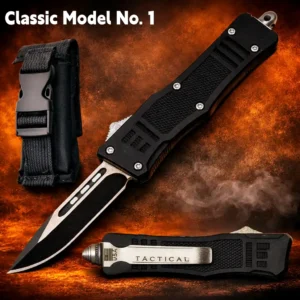
Wholesale buyers should also think about packaging, replacement parts, and the clarity of the product description. A sharpener that is simple to explain often sells better than one that is technically impressive but confusing on the shelf. If your catalog includes knives as well, you can pair sharpening accessories with an OTF and auto knife wholesale selection for a more complete blade-care offering.
Common mistakes people make when sharpening knives
One common mistake is using too much pressure. Let the abrasive do the work. Pushing hard can create uneven edges, remove too much metal, or make the knife harder to control. Another mistake is using the wrong sharpener for the blade. Serrated knives, for example, usually need a different approach than straight-edge blades.
People also often skip the final refinement stage. A blade may seem sharp after a coarse pass, but it can still feel rough in use. Finishing with a finer abrasive or a proper honing step usually improves performance. Finally, many users wait until a knife is extremely dull before sharpening. Regular maintenance is easier on the blade and produces better results over time.
Safety and care during sharpening
Sharpening should always be done with a stable surface, dry hands, and careful blade control. Keep fingers away from the edge path, and store sharpeners where they will not be knocked around or exposed to moisture. For electric models, follow the manufacturer’s instructions and unplug the unit before cleaning.
It is also smart to verify local rules if you are selling or carrying knives and related accessories across different regions. General ownership and use practices can vary, and buyers should always follow applicable laws and workplace policies.
What wholesale buyers should look for in a sharpening product
When sourcing sharpeners for resale, durability and clarity matter just as much as performance. Products that return consistent results with minimal training are easier for staff to recommend and easier for customers to trust. Packaging should show the sharpening stages, compatible blade types, and basic maintenance requirements.
It also helps to stock a range of price points. Entry-level sharpeners move well with impulse buyers, while premium systems can support higher margins. If you are building a broader knife and accessory assortment, a clear wholesale inquiry process can make planning easier. You can start with a wholesale inquiry form to discuss product options, quantities, and assortment needs.
FAQ: how do knife sharpeners work?
Do sharpeners actually sharpen or just hone?
Many tools do both, but not in the same way. A sharpener usually removes metal to create a new edge, while a honing tool mainly realigns an existing edge. Some products combine both functions.
How often should a knife be sharpened?
It depends on use. A home kitchen knife may only need periodic sharpening, while a heavily used work knife may need maintenance more often. The best clue is performance: if the knife starts crushing instead of cutting cleanly, it is time to address the edge.
Are electric sharpeners bad for knives?
Not necessarily. A good electric sharpener can be efficient and consistent when used correctly. The key is choosing a model suited to the knife type and avoiding excessive pressure or repeated passes.
Can one sharpener work on every knife?
No single sharpener fits every blade perfectly. Straight-edge kitchen knives, pocket knives, serrated edges, and specialty blades may need different tools or settings. Always check compatibility before buying.
What is the easiest sharpener for beginners?
Many beginners prefer a pull-through or guided electric sharpener because the angle is built in. Those who want more control may eventually move to stones or guided systems.
Understanding how knife sharpeners work makes it easier to choose the right product for your home, store, or wholesale catalog. The best option is the one that matches the blade, the user, and the level of maintenance needed. When those three fit together, sharpening becomes less of a chore and more of a simple part of keeping knives ready for safe, effective use.