

How to Make a Pocket Knife: Practical Guide for Buyers, Collectors, and Resellers

Short answer
Learn the practical steps behind how a pocket knife is made, what materials matter, common mistakes, and how buyers can choose quality folding knives for retail
In this article
- 01 What actually goes into a pocket knife
- 02 The basic stages of pocket knife production
- 03 1. Design and pattern work
- 04 2. Material selection
- 05 3. Cutting, shaping, and machining
- 06 4. Heat treatment and finishing
- 07 5. Assembly and adjustment
- 08 6. Testing and inspection
- 09 If you were making one yourself, what would matter most?
- 10 What buyers should look for in a quality folding knife
- 11 Common mistakes people make when thinking about pocket knife construction
- 12 How wholesale buyers can evaluate pocket knives efficiently
- 13 Safety, storage, and responsible ownership
- 14 FAQ about making and buying pocket knives
- 15 Is it realistic to make a pocket knife at home?
- 16 What part of a pocket knife matters most?
- 17 What should wholesale buyers inspect first?
- 18 Are expensive pocket knives always better?
If you want to know how to make a pocket knife, the shortest honest answer is this: a good pocket knife is built from a carefully designed blade, a reliable locking or slip-joint mechanism, sturdy handle scales, a pivot system, and precise finishing that lets the knife open smoothly and close safely. For most buyers, the real value is not in making one from scratch at home, but in understanding how the parts work together so you can choose better products, compare quality, and source folding knives that hold up in daily use.
What actually goes into a pocket knife
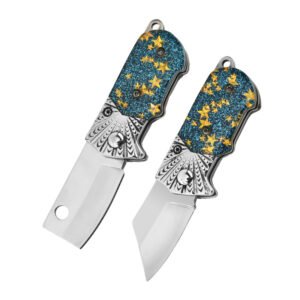
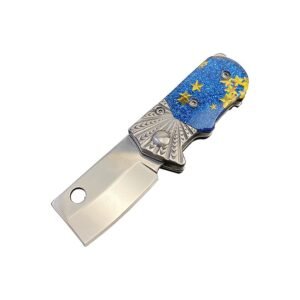
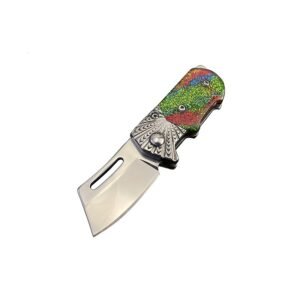
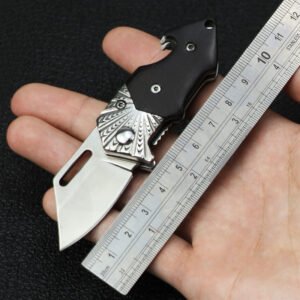
A pocket knife is a compact folding tool, and every part affects performance. The blade determines cutting ability and edge retention. The handle affects comfort and grip. The pivot and washers or bearings influence opening action. The lock, if present, controls safety during use. Even small details like pocket clips, liners, and jimping can change how the knife feels in the hand.
When people ask how to make a pocket knife, they often picture shaping a blade and attaching a handle. In reality, the process is more like precision assembly. Good folding knives depend on tight tolerances, proper heat treatment, and careful alignment. That is why many retail buyers and distributors focus on trusted factory-made models instead of trying to reproduce the process themselves.
The basic stages of pocket knife production
Manufacturers usually follow a sequence that starts with design and ends with quality control. Knowing these stages helps buyers understand why some knives cost more and why certain models perform better.
1. Design and pattern work
Every knife starts with a pattern. Designers decide blade shape, handle length, open/closed dimensions, and the type of opening mechanism. A compact everyday carry knife may prioritize easy pocket carry, while a larger work knife may focus on grip and cutting power. The best designs balance comfort, strength, and ease of maintenance.
2. Material selection
Blade steel and handle material are major quality indicators. Common blade steels vary in corrosion resistance, edge retention, and sharpening ease. Stainless steels are often preferred for low maintenance, while some users like steels that sharpen quickly and take a fine edge. Handle materials can include stainless steel, aluminum, G10, wood, or synthetic composites. Each option changes weight, texture, and durability.
For wholesale buyers, material consistency matters as much as appearance. A knife that looks premium but uses soft hardware or uneven handle scales can lead to returns. When reviewing a supplier, ask about steel grade, handle composition, and whether the production lot is consistent across orders.
3. Cutting, shaping, and machining
In factory production, the blade blank and handle components are cut or machined to exact dimensions. The pivot hole, lock geometry, and stop pin placement must line up correctly. If these dimensions are off, the blade may rub, fail to center, or feel gritty when opening. This is one reason higher-quality folding knives often cost more: the machining and fit are more precise.
4. Heat treatment and finishing
Heat treatment is one of the most important steps in making a durable blade. It helps the steel reach the right balance of hardness and toughness. A poorly treated blade may chip too easily or dull quickly. After heat treatment, the blade is ground, sharpened, and finished. Finishes may include stonewash, satin, bead blast, or coated surfaces. Each finish has its own look and practical benefits.
5. Assembly and adjustment
During assembly, the blade, pivot, washers or bearings, liners, scales, and lock components are put together. This is where smooth action is tuned. If the pivot is too tight, the knife may not open well. If it is too loose, blade play can become a problem. Skilled assembly aims for a blade that centers properly, opens consistently, and locks up securely.
6. Testing and inspection
Quality control checks usually include blade alignment, lock engagement, smoothness, fit and finish, and cosmetic inspection. For buyers, this is not just a factory detail. It is the difference between a product that sells once and a product that builds repeat business. If you are sourcing knives for retail shelves or online listings, ask for samples and inspect several units, not just one.
If you were making one yourself, what would matter most?
For general understanding, the most important elements are not fancy tools but precision, patience, and safe handling. A pocket knife needs more than a sharp blade. It needs a reliable opening action, a secure lock or joint, and materials that can stand up to regular carry. Even a small mistake in alignment can make the knife feel cheap or unsafe.
That is why many people who want to know how to make pocket knife models eventually decide that studying construction is more practical than trying to build one from raw stock. For most shoppers, the better question is: which construction details should I look for when buying?
What buyers should look for in a quality folding knife
- Solid blade centering: The blade should sit evenly in the handle when closed.
- Smooth but controlled action: Opening should feel consistent, not loose or scratchy.
- Secure lockup: A lock should engage firmly without excessive movement.
- Comfortable handle shape: The knife should feel stable in the hand during everyday tasks.
- Appropriate steel choice: Match steel type to the customer’s needs for corrosion resistance, edge life, and maintenance.
- Reliable hardware: Screws, pivots, and clips should be well finished and easy to maintain.
- Clean finishing: Look for even grinds, no sharp hot spots, and consistent fit between parts.
For resellers and distributors, these details affect customer satisfaction more than packaging alone. A knife that opens smoothly and feels dependable is easier to sell and less likely to generate complaints.
Common mistakes people make when thinking about pocket knife construction
One common mistake is focusing only on blade steel. Steel matters, but a well-designed knife with midrange steel can outperform a poorly built knife with a premium label. Another mistake is ignoring handle ergonomics. A beautiful handle that feels slippery or awkward is not a good daily carry choice.
Buyers also sometimes overlook the lock type. Different lock styles suit different use cases, and each should be tested for consistency. A knife that looks impressive in photos but has weak lock engagement will not satisfy customers over time. Finally, many people underestimate the importance of manufacturing consistency. If one unit is excellent and the next is rough, the product line becomes hard to trust.
How wholesale buyers can evaluate pocket knives efficiently
If you are sourcing for a shop, online store, or distribution channel, start with samples and compare them side by side. Open and close each knife several times. Check blade centering, edge grind, pocket clip tension, and overall finish. Ask whether the supplier can maintain consistent specs across repeat orders. Consistency is often more valuable than a single standout sample.
It also helps to match knife styles to your customer base. Everyday carry buyers may prefer compact, easy-to-maintain models. Outdoor customers may want stronger handles and more secure locks. Gift buyers often care about appearance, packaging, and brand presentation. A balanced inventory usually includes a mix of price points and designs, which is why many buyers browse a broad folding knife catalog before placing an order. You can start with the folding knife wholesale category to compare styles and construction features.
Safety, storage, and responsible ownership
Even a small pocket knife deserves careful handling. Store it closed, keep it clean, and use it only for lawful, appropriate tasks such as opening packages, cutting cord, or light utility work where permitted. Local rules can vary, so buyers and sellers should verify regulations in their area before stocking or carrying certain knife types. Clear product descriptions and responsible guidance help customers make better decisions.
FAQ about making and buying pocket knives
Is it realistic to make a pocket knife at home?
It is possible for experienced makers with the right tools, but for most people it is a precision project that is easier to study than to attempt casually. Factory-made knives usually offer better consistency and safety for everyday buyers.
What part of a pocket knife matters most?
There is no single part that matters most. Blade steel, heat treatment, lock quality, pivot fit, and handle ergonomics all work together. A weakness in one area can affect the whole knife.
What should wholesale buyers inspect first?
Start with blade centering, lock engagement, opening action, and fit and finish. Then compare material claims, packaging, and order consistency across multiple samples.
Are expensive pocket knives always better?
Not always. Price can reflect better materials and tighter manufacturing, but value depends on the end user. The best knife is the one that matches the customer’s needs and performs reliably.
Understanding how a pocket knife is made helps you buy smarter, stock better products, and explain quality differences to customers. Whether you are choosing a single everyday carry knife or building a wholesale assortment, the key is to focus on construction, consistency, and safe, lawful use.