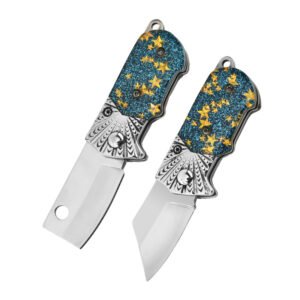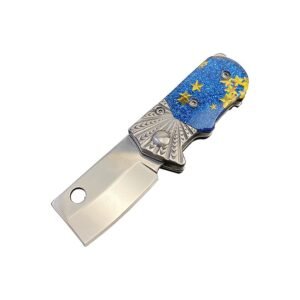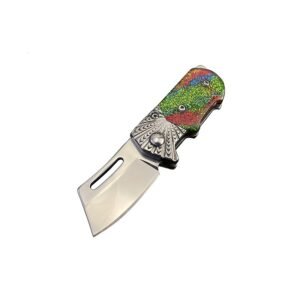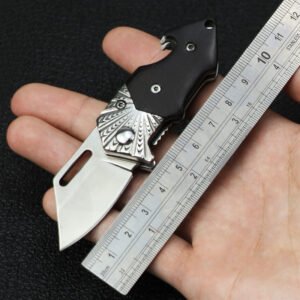


How to Polish a Knife Blade Safely and Effectively


Short answer
Learn how to polish a knife blade safely with practical steps, finishing options, common mistakes, and care tips for retail and wholesale buyers.
In this article
- 01 Why blade polishing matters
- 02 Before you begin: check the blade finish
- 03 What you need to polish a knife blade
- 04 Step-by-step: how to polish a knife blade
- 05 1. Clean the blade first
- 06 2. Apply a small amount of polish
- 07 3. Work in gentle, controlled strokes
- 08 4. Wipe and inspect
- 09 5. Finish with a dry buff
- 10 How to handle scratches, haze, and light rust
- 11 Mistakes that can ruin the finish
- 12 How often should a knife blade be polished?
- 13 Storage and care after polishing
- 14 What wholesale buyers should look for
- 15 Practical FAQ
- 16 Can I polish a knife blade with household products?
- 17 Will polishing sharpen the knife?
- 18 Can I polish coated blades?
- 19 How do I keep fingerprints off a polished blade?
- 20 Is a mirror finish better than a satin finish?
- 21 Final thoughts
The best way to polish a knife blade is to start with a clean, dry blade, choose the right abrasive for the finish you want, and work gradually from light cleaning to finer polishing. For most owners, that means removing grime first, then using a soft cloth, polishing compound, or very fine abrasive material in controlled strokes until the surface looks even and smooth. A careful approach protects the blade’s appearance, helps prevent corrosion, and avoids unnecessary wear on the steel.
Why blade polishing matters
Polishing is not just about making a knife look bright. A clean, well-finished blade is easier to maintain, less likely to show stubborn residue, and more appealing to customers who care about presentation. For retail buyers and resellers, a polished blade can improve shelf appeal and help a product stand out in display cases or online photos. For everyday owners, polishing also supports routine care by making it easier to spot rust, scratches, or residue early.
That said, not every blade should be polished the same way. Mirror finishes, satin finishes, coated blades, and decorative surfaces each respond differently. The goal is to improve the blade without removing too much material or changing the original look more than necessary.
Before you begin: check the blade finish
Before polishing, identify what kind of blade you have. A mirror-polished blade can often be refreshed with a soft cloth and a non-abrasive metal polish. A satin finish may need only light cleaning to preserve its directional grain. Coated blades, on the other hand, should usually not be polished aggressively, because abrasives can wear away the coating and leave uneven spots.
If you are buying knives for resale or wholesale distribution, finish consistency matters. Customers notice whether a blade arrives with a uniform polish, visible handling marks, or factory residue. When sourcing inventory, look for suppliers who describe the blade finish clearly and provide consistent product photos. If you are reviewing wholesale options, the OTF and auto knife wholesale category can be useful for comparing blade styles and finishes before placing larger orders.
What you need to polish a knife blade
You do not need a complicated setup. In most cases, a few basic supplies are enough:
- Soft microfiber cloths
- Warm water and mild dish soap
- Non-abrasive metal polish or a blade-safe polishing compound
- Cotton swabs for tight areas near the handle or pivot
- Fine finishing pads or very fine abrasive cloth, if needed
- Clean towel for drying
For sellers and distributors, it helps to keep a simple care kit with each display model or sample unit. Buyers often appreciate products that look ready to display, and a clean presentation can reduce returns caused by fingerprints or surface haze.
Step-by-step: how to polish a knife blade
1. Clean the blade first
Wash the blade with warm water and a small amount of mild soap. Wipe away oils, dust, and any sticky residue. Dry the blade completely before applying any polish. Moisture left behind can interfere with the finish and may encourage spotting on steel surfaces.
2. Apply a small amount of polish
Use a tiny amount of metal polish on a soft cloth. A little goes a long way. Spread it in a thin layer over the blade rather than applying a thick coat. If you are working near the handle or pivot area, use a cotton swab so polish does not build up in seams or around moving parts.
3. Work in gentle, controlled strokes
Polish the blade using light pressure and consistent strokes. For satin blades, follow the existing grain whenever possible. For mirror finishes, slow circular or straight passes may work well, as long as you keep the pressure even. Avoid scrubbing hard. Excess force can create uneven shine or fine scratches that are harder to remove later.
4. Wipe and inspect
After a short polishing pass, wipe the blade clean with a fresh microfiber cloth. Look at the blade under good light from several angles. If the surface still looks dull, repeat with a little more polish rather than switching immediately to a harsher abrasive. The safest method is to move gradually.
5. Finish with a dry buff
Once the surface looks even, give the blade a final buff with a clean, dry cloth. This removes remaining haze and helps the finish look crisp. A final wipe also removes fingerprints, which can quickly dull the appearance of a freshly polished blade.
How to handle scratches, haze, and light rust
Minor haze often comes from fingerprints, storage moisture, or residue from packaging. In many cases, a careful cleaning and polish will restore the surface. Light rust spots may need a little more attention, but they should still be treated gently. Use the least aggressive method that works, and stop once the spot is gone.
Deep scratches are different. Polishing may reduce their visibility, but it usually will not erase them completely without changing the blade surface. If the knife is a collector item, display piece, or bulk inventory sample, consider whether the scratch is better left alone rather than risking an uneven finish. For wholesale buyers, consistent cosmetic quality is often more valuable than an overworked blade surface.
Mistakes that can ruin the finish
- Using steel wool or harsh abrasives on a blade that needs a fine finish
- Polishing coated blades as if they were bare steel
- Applying too much pressure and creating swirl marks
- Leaving polish residue near the handle, pivot, or blade groove
- Skipping the cleaning step and rubbing grit into the surface
- Using the same cloth for dirty and final buffing passes
These mistakes are common because polishing seems simple, but the finish can change quickly if the wrong material or pressure is used. A conservative method is usually best, especially for knives intended for retail display or resale photography.
How often should a knife blade be polished?
Most knives do not need frequent polishing. Regular cleaning after use, careful drying, and proper storage are usually enough. Polish only when the blade starts to look dull, shows fingerprints that will not wipe away, or has minor surface marks that affect appearance. Over-polishing can wear a finish faster than many owners expect.
For businesses handling inventory, polishing frequency depends on handling and display conditions. Sample knives, trade show pieces, and showroom units may need occasional touch-ups, while sealed stock should generally stay untouched until inspection or preparation for shipment.
Storage and care after polishing
After polishing, store the knife in a dry place away from moisture and abrasive contact. A soft pouch, protective case, or lined display tray can help preserve the finish. If your climate is humid, check blades periodically for spotting. A light protective wipe with a blade-safe oil or corrosion inhibitor may help on bare steel, but always confirm compatibility with the blade material and finish.
For buyers who stock knives for retail or wholesale, storage conditions can affect customer satisfaction just as much as the original finish. Clean packaging, dry storage, and careful handling reduce the chance of receiving blades with smudges or surface wear.
What wholesale buyers should look for
If you buy knives in quantity, blade finish should be part of your purchasing criteria. Look for consistency across units, clear product descriptions, and reasonable expectations for maintenance. A polished blade should arrive free of heavy residue, with even surface appearance and no obvious handling marks. Ask whether the finish is mirror, satin, stonewashed, or coated so you can match the product to your customer base.
When you are evaluating suppliers, presentation, finish durability, and packaging quality matter. If you plan to stock automatic or OTF models, review product categories carefully and ask questions before ordering. For larger purchasing needs, the wholesale inquiry form is a practical way to request availability, pricing, and finish details for your next order.
Practical FAQ
Can I polish a knife blade with household products?
Some household products may remove light haze, but not all are blade-safe. Mild soap and a soft cloth are good for cleaning, while a proper metal polish is usually better for finishing. Avoid anything too abrasive or chemically harsh unless you know it is suitable for the blade material.
Will polishing sharpen the knife?
No. Polishing improves appearance and surface smoothness, but it does not replace sharpening. A blade can look bright and still be dull. Keep polishing and sharpening as separate parts of care.
Can I polish coated blades?
Only very carefully, and often not at all beyond gentle cleaning. Many coatings are designed to protect the blade and create a specific look. Abrasive polishing can remove the coating unevenly.
How do I keep fingerprints off a polished blade?
Handle the knife with clean, dry hands and wipe it after use or inspection. A microfiber cloth is usually enough for routine touch-ups. Proper storage also helps reduce repeated contact.
Is a mirror finish better than a satin finish?
Not always. A mirror finish can look striking, while a satin finish may hide light wear better. The right choice depends on the knife style, intended use, and customer preference.
Final thoughts
Polishing a knife blade is mostly about patience, the right materials, and knowing when to stop. Clean first, use a gentle polish, follow the blade’s original finish, and avoid aggressive abrasion unless the surface truly needs it. For individual owners, that keeps a knife looking sharp and well cared for. For retail buyers and wholesale customers, it helps maintain product presentation and customer confidence. If you source knives in volume, asking the right questions about finish and care can save time later and help you choose inventory that looks good from the first unboxing.