

How to Sharpen a Cooking Knife Safely and Effectively


Short answer
Learn how to sharpen a cooking knife with simple, safe steps using a whetstone, honing rod, or sharpener. Includes mistakes to avoid, buying tips, and FAQ.
Key Takeaways
- Start with a mild method and increase pressure or abrasion only when the blade condition requires it.
- Edge angle, steel type, corrosion level, and handle material all affect the right care method.
- For wholesale assortments, simple care instructions help customers keep knives useful longer.
Terms Used Here
- OTF
- Out-the-front; a knife design where the blade moves forward from the front of the handle.
- Automatic knife
- A knife that opens by a spring-driven mechanism after the user activates a button, switch, or slider.
- Sheath
- A protective cover used to store or carry a knife safely.
In this article
- 01 Why a sharp cooking knife matters
- 02 Before you start: check the knife and your sharpening tool
- 03 How to sharpen a cooking knife with a whetstone
- 04 Step 1: prepare the stone
- 05 Step 2: set the blade angle
- 06 Step 3: sharpen one side, then the other
- 07 Step 4: feel for a burr
- 08 Step 5: finish and test carefully
- 09 Using a honing rod the right way
- 10 Common mistakes that make a knife worse
- 11 How often should a cooking knife be sharpened?
- 12 What to look for when buying kitchen knives and sharpening tools
- 13 Safety tips while sharpening
- 14 FAQ: sharpening a cooking knife
- 15 Can I sharpen a cooking knife without a whetstone?
- 16 How do I know when my knife is sharp enough?
- 17 Should I sharpen every knife the same way?
- 18 Is honing the same as sharpening?
- 19 What is the biggest mistake beginners make?
- 20 Final thoughts
The fastest way to sharpen a cooking knife is to use a stable sharpening tool, keep a consistent angle, and work both sides of the blade evenly until the edge feels crisp again. For most kitchen knives, a whetstone gives the best control, while a honing rod helps maintain an edge between sharpenings. If the knife is very dull, chipped, or slipping on tomato skins instead of slicing them, it is time to sharpen it properly.
Why a sharp cooking knife matters
A sharp kitchen knife is safer and easier to control than a dull one. When the edge is worn down, you need more pressure, which can cause the blade to slide off food or twist in your hand. A properly sharpened knife cuts cleanly through onions, herbs, meat, and vegetables with less effort, giving you better results and reducing fatigue during prep work.
For home cooks, restaurant kitchens, and retail buyers stocking practical kitchen tools, knife quality is often judged by how well the edge holds up over time. That is why many shoppers look for knives and sharpening tools that balance durability, ease of maintenance, and consistent performance.
Before you start: check the knife and your sharpening tool
Not every knife should be sharpened the same way. Stainless steel chef’s knives, paring knives, carving knives, and utility knives usually respond well to standard sharpening methods, but very hard blades, serrated knives, and specialty edge designs may need different care. If you are unsure about the blade material or edge type, check the manufacturer’s guidance first.
Choose the right tool based on the condition of the knife:
- Honing rod: best for routine edge maintenance, not for rebuilding a dull blade.
- Whetstone: offers the most control and works well for most cooking knives.
- Manual pull-through sharpener: quick and simple, but usually less precise than a stone.
- Electric sharpener: useful for busy kitchens, though it can remove more metal if used too often.
If you buy knives in volume for a store, online shop, or distribution business, it helps to source models that pair well with standard sharpening methods. Many buyers prefer kitchen knives with reliable steel, comfortable handles, and edges that can be maintained without special equipment.
How to sharpen a cooking knife with a whetstone
A whetstone is the most versatile option for sharpening a cooking knife because it lets you control the angle and pressure. A common sharpening angle for many kitchen knives is around 15 to 20 degrees per side, though some blades may differ. The goal is not to force the knife into a perfect number but to keep the angle steady as you work.
Step 1: prepare the stone
Soak the stone if the manufacturer recommends it, or add water or oil depending on the stone type. Place it on a non-slip base or damp towel so it stays secure. Stability matters because a shifting stone can make the blade uneven and increase the chance of accidents.
Step 2: set the blade angle
Hold the knife with the edge facing away from you and place the heel of the blade on the stone. Lift the spine slightly to create a consistent angle. A good habit is to lock your wrist and move the knife with your whole arm so the angle stays steady from heel to tip.
Step 3: sharpen one side, then the other
Using moderate pressure, draw the blade across the stone in smooth strokes. Work from heel to tip, covering the full edge. Repeat the same number of strokes on the other side. Many people make the mistake of pressing too hard or rushing through one side only, which can create an uneven edge.
Step 4: feel for a burr
As the edge sharpens, a tiny raised lip called a burr may form on the opposite side. This is a sign that the stone has reached the edge. Once you feel it along most of the blade, switch sides and repeat until the burr is reduced and the edge feels clean.
Step 5: finish and test carefully
After sharpening, rinse and dry the blade thoroughly. Test it on soft food like a tomato, onion, or bell pepper, using controlled slicing rather than force. A sharp knife should bite into the skin and cut smoothly without crushing the food.
Using a honing rod the right way
A honing rod does not remove much metal. Instead, it helps realign the edge when a knife starts to feel less crisp but is not fully dull. This is useful between sharpening sessions, especially in busy kitchens where knives are used daily.
To hone safely, hold the rod vertically on a stable surface and move the knife down and across the rod at a consistent angle. Alternate sides evenly. If the knife still feels dull after honing, it likely needs actual sharpening rather than more rod work.
Common mistakes that make a knife worse
Many sharpening problems come from small habits that are easy to fix. Avoid these common mistakes:
- Using too much pressure: this can damage the edge and remove more steel than needed.
- Changing angles mid-stroke: uneven angles create a weak, inconsistent edge.
- Skipping cleaning: grit and metal filings can interfere with the finish.
- Sharpening serrated blades like straight edges: serrated knives usually need specialized care.
- Ignoring the handle and grip: a slippery handle increases the risk of injury during sharpening.
Another common issue is storing a sharp knife loose in a drawer. Even a well-sharpened blade can dull quickly if it rubs against other utensils. Use a knife block, sheath, magnetic strip, or other protective storage option.
How often should a cooking knife be sharpened?
There is no single schedule that fits every kitchen. A knife used daily in a restaurant may need attention more often than one used occasionally at home. As a general rule, hone regularly and sharpen when the blade no longer slices cleanly even after maintenance. If you notice tearing, slipping, or extra pressure needed to cut, the edge is telling you it is time.
For wholesale buyers and store owners, it is smart to recommend a maintenance routine alongside the knife itself. Customers appreciate practical guidance, and it helps them get better long-term value from the product.
What to look for when buying kitchen knives and sharpening tools
If you are sourcing kitchen knives for resale or stocking a retail shelf, the best products are usually the ones that are easy for customers to maintain. Look for blades with a balanced feel, comfortable handles, and steel that responds predictably to sharpening. Clear product descriptions, consistent edge geometry, and dependable construction all help reduce returns and improve customer satisfaction.
Sharpening accessories matter too. A good whetstone should have a stable surface and a grit range suitable for both repair and finishing. Manual sharpeners should hold the blade at a repeatable angle. For commercial buyers, the most practical items are often the ones that work for a wide range of common kitchen knives without requiring special training.
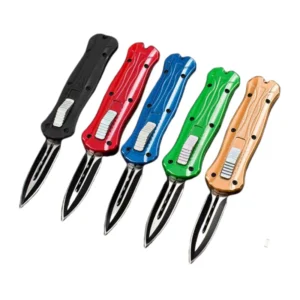
If you are expanding a knife assortment for your business, you can explore product options in the OTF and automatic knife wholesale category for related edge styles and inventory ideas, or submit a wholesale inquiry to discuss sourcing needs.
Safety tips while sharpening
Sharpening is a routine kitchen task, but it still deserves care. Always keep your fingers clear of the edge, work on a stable surface, and dry the blade after cleaning to prevent slips. If you are using an electric sharpener, follow the manufacturer’s instructions and do not force the blade through the slots. For households with children, store sharpening tools out of reach.
It is also wise to verify any local rules or workplace policies related to knife handling and storage, especially if you are operating a retail, restaurant, or distribution business. General best practices are helpful, but compliance should always follow the standards that apply in your area.
FAQ: sharpening a cooking knife
Can I sharpen a cooking knife without a whetstone?
Yes. A manual sharpener or electric sharpener can work well for quick maintenance, and a honing rod can help keep the edge aligned. Still, a whetstone usually offers the most control and the best finish.
How do I know when my knife is sharp enough?
A sharp knife should cut paper or slice through a tomato skin with minimal pressure. More importantly, it should feel controlled and predictable in your hand.
Should I sharpen every knife the same way?
No. Chef’s knives, paring knives, cleavers, and serrated blades may need different care. Always consider the blade shape, steel type, and manufacturer recommendations.
Is honing the same as sharpening?
No. Honing realigns the edge, while sharpening removes material to create a new cutting surface. Both are useful, but they do different jobs.
What is the biggest mistake beginners make?
The most common mistake is using an inconsistent angle or too much pressure. Slow, even strokes usually produce better results than trying to rush the process.
Final thoughts
Learning how to sharpen a cooking knife is one of the most useful kitchen skills you can build. With the right tool, a steady angle, and a little patience, you can restore cutting performance, improve safety, and extend the life of your knives. For shoppers, that means better everyday cooking. For wholesale buyers, it means choosing products that customers can maintain with confidence.