
Short answer
Learn how to use a knife honing rod the right way, when to hone versus sharpen, common mistakes to avoid, and what buyers should look for when sourcing quality
Key Takeaways
- Knife rules can vary by state, city, blade style, opening mechanism, carry method, and intended use.
- Do not treat a product nickname as a legal category; check the actual features and local rule.
- Retailers should keep legal or safety language factual and avoid promising that one item is allowed everywhere.
Terms Used Here
- OTF
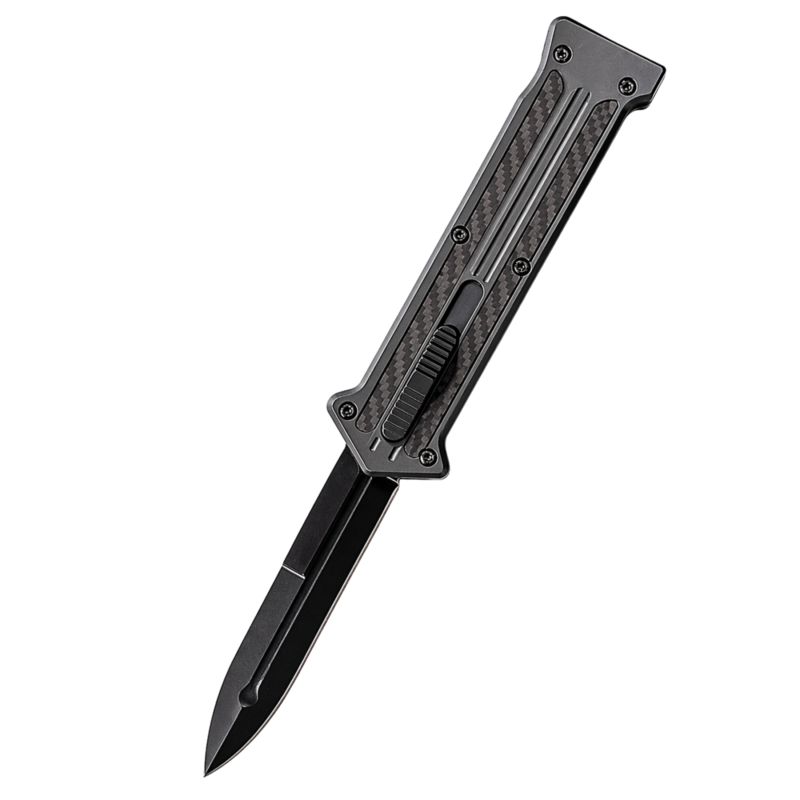
- Out-the-front; a knife design where the blade moves forward from the front of the handle.
In this article
- 01 What a honing rod actually does
- 02 How to use a knife honing rod step by step
- 03 Choosing the right rod for the job
- 04 Common rod materials
- 05 What wholesale buyers should look for
- 06 Common mistakes that reduce effectiveness
- 07 How often should you hone a knife?
- 08 Practical safety and handling tips
- 09 What buyers can learn from a good honing rod
- 10 FAQ about using a knife honing rod
- 11 Is a honing rod the same as a sharpener?
- 12 Can I use a honing rod on every knife?
- 13 How do I know if my knife needs honing or sharpening?
- 14 What is the biggest beginner mistake?
- 15 Should I use a honing rod before every use?
- 16 Final thoughts
A knife honing rod is used to realign a blade’s edge, not to grind away metal like a sharpener. To use one correctly, hold the rod steady, keep the blade at a consistent angle, and draw the knife lightly along the rod from heel to tip on both sides. Done regularly, honing helps a knife cut cleaner and feel more controlled between sharpenings.
What a honing rod actually does
Many people use the words honing and sharpening interchangeably, but they are not the same. A honing rod helps straighten the fine edge of a knife after normal use. Over time, that edge can roll slightly or lose alignment from cutting board contact, packaging, prep work, or frequent slicing. Honing brings that edge back into line so the knife performs better.
A honing rod will not fix a dull knife with a worn-down edge or chips in the blade. If a knife has become truly dull, it may need sharpening with a stone, machine, or professional service before honing will make much difference. Think of honing as routine maintenance and sharpening as a deeper restoration.
How to use a knife honing rod step by step
If you are learning how to use a knife honing rod, the safest approach is to move slowly and keep your motions controlled. You do not need force. In fact, too much pressure can make the edge worse.
- Place the rod on a stable surface. Set the tip on a cutting board, towel, or counter so it does not slip. Some people prefer to hold the rod in the air, but beginners usually get better control with the tip planted firmly.
- Hold the knife at a steady angle. A common starting point is a moderate angle, often around 15 to 20 degrees for many kitchen knives. The exact angle depends on the knife style, so match the blade’s original edge as closely as you can.
- Start at the heel of the blade. Position the knife near the top of the rod with the heel close to the rod and the edge angled away from you.
- Draw the blade down and across. Move the knife so the edge travels from heel to tip in one smooth stroke while the blade slides along the rod. Use light pressure, almost like you are guiding the edge rather than grinding it.
- Repeat on the other side. Alternate sides to keep the edge balanced. Many users make five to ten strokes per side, but the right number depends on the knife’s condition and use level.
- Wipe the blade clean. After honing, wipe away any fine residue and test the knife on soft food like a tomato or onion skin. If the edge still drags, the knife may need sharpening instead of more honing.
Choosing the right rod for the job
Not all honing rods feel the same in use, and the right choice depends on the knives being maintained. Buyers who stock kitchen tools, retail knife care items, or bundled sets should pay attention to material, length, and handle design.
Common rod materials
- Steel rods: Traditional and widely used for general maintenance. They are familiar to many home cooks and commercial kitchens.
- Ceramic rods: Often finer and more abrasive than steel, which can make them useful for light refinement. They require a bit more care to avoid chipping.
- Diamond-coated rods: More aggressive than standard honing tools and can remove more material. They may be helpful for certain blade conditions, but they are not the best choice for every user.
What wholesale buyers should look for
For retail stores, online sellers, and distributors, quality matters because customers notice how a tool feels in the hand. A good rod should have a comfortable handle, a secure guard, and enough length to match common knife sizes. A longer rod usually gives users more room to make smooth strokes, which is especially helpful for larger chef knives.
If you are building a knife care assortment, it also makes sense to consider how the rod fits with your broader catalog. Many buyers who source maintenance tools also carry cutting accessories and edged products through categories like OTF and auto knife wholesale options, where customers often want a complete ownership experience that includes storage, care, and maintenance tools.
Common mistakes that reduce effectiveness
Most honing problems come from technique, not the rod itself. A few easy adjustments can make a big difference.
- Using too much pressure: Heavy force can bend the edge further or create uneven contact.
- Changing angles mid-stroke: Inconsistent angle makes the edge feel rough instead of refined.
- Honing a very dull knife repeatedly: If the blade is already worn out, more honing will not replace sharpening.
- Dragging the knife too fast: Speed can reduce control and increase the risk of slipping.
- Skipping cleaning: A dirty blade or rod can leave residue and reduce smooth contact.
One of the biggest misconceptions is that a honing rod makes a knife “sharp again” no matter what. It does help maintain sharpness, but it is not a cure-all. Learning the difference saves time and prevents unnecessary wear on the blade.
How often should you hone a knife?
There is no single schedule that fits every user. A home cook who uses a chef knife a few times a week may hone it occasionally, while a commercial kitchen or high-volume prep environment may need more frequent maintenance. The best indicator is performance: if a knife starts to slip on tomato skin or feels less precise during slicing, it may be time to hone.
For retailers and wholesale buyers, this is useful information to share with customers. People often assume they need a new knife when they really need routine upkeep. Clear guidance can improve satisfaction and reduce returns.
Practical safety and handling tips
Honing is a maintenance task, but it still involves a sharp edge. Keep the rod pointed away from your body and from anyone standing nearby. Use a stable work area with good lighting. If you are demonstrating the process in a store or training staff, slow, visible motions are safer than quick movements.
Store the rod where it will not roll off a counter or fall into a drawer of loose tools. If the rod is ceramic or diamond-coated, handle it carefully to avoid damage. As with any knife-related product, local rules and workplace policies may vary, so verify any relevant storage or use requirements in your area.
What buyers can learn from a good honing rod
For B2B buyers, a honing rod is not just a simple add-on item. It is a practical accessory that supports knife longevity, customer satisfaction, and repeat purchases. A well-made rod can be sold individually or bundled with kitchen knives, prep sets, or maintenance kits. That makes it a useful product for retailers looking to increase average order value without complicating the customer’s decision.
When evaluating supply, check for consistency in finish, handle comfort, rod straightness, and packaging quality. If the handle feels loose or the rod wobbles, the user experience suffers. Good presentation also matters for shelf appeal and online listings, especially when customers compare several similar tools at once.
Businesses that want to expand their knife care assortment can also use a simple inquiry path to discuss pricing, cases, and product mix. If you are reviewing sourcing options, the wholesale inquiry form is a straightforward place to start a conversation about volume, assortment, and buyer needs.
FAQ about using a knife honing rod
Is a honing rod the same as a sharpener?
No. A honing rod realigns the edge, while a sharpener removes material to rebuild or refine the edge. Both have a place in knife care.
Can I use a honing rod on every knife?
Not always. Many kitchen knives can be honed, but some blade types or specialty finishes may need different care. Check the maker’s guidance when available.
How do I know if my knife needs honing or sharpening?
If the knife is still reasonably sharp but feels slightly off, honing may help. If it struggles to cut even after honing, it likely needs sharpening.
What is the biggest beginner mistake?
Most beginners press too hard or change angles during the stroke. Light, even contact is usually more effective and safer.
Should I use a honing rod before every use?
That depends on the knife and how often it is used. Some people hone regularly, while others do it only when performance starts to drop.
Final thoughts
Learning how to use a knife honing rod is one of the simplest ways to keep a blade working well between sharpenings. The key is steady angle control, light pressure, and knowing when a knife needs more than honing. For shoppers, it is a useful tool for everyday maintenance. For resellers and wholesale buyers, it is a dependable accessory that adds value to a knife lineup and helps customers protect their purchase over time.