

Are OTF Knives Safe in the Pocket?

Short answer
Are OTF knives safe in the pocket? Usually only when clipped securely, carried alone, and kept clean. Learn when pocket carry is reasonably safe, when it is not
In this article
- 01 Short answer
- 02 When pocket carry is reasonably safe
- 03 When it is not safe enough for pocket carry
- 04 Top 5 pocket-carry risk factors
- 05 1. Mixed-pocket carry
- 06 2. Loose orientation instead of clip carry
- 07 3. Exposed or easy-to-move switch
- 08 4. Lint and fine grit inside the handle
- 09 5. Seated compression and repetitive body pressure
- 10 Why the mechanism helps, and why it can fail
- 11 Simple safe-carry checklist
- 12 Brief buyer note
- 13 FAQ
- 14 Can an OTF knife open by itself in a pocket?
- 15 Is a pocket clip enough by itself?
- 16 Are OTF knives safer in the pocket than folders?
- 17 What is the safest way to carry one in a pocket?
- 18 Are OTF knives completely safe in the pocket?
Yes, but only with limits. An OTF knife is generally reasonably safe for pocket carry when it is clipped securely, carried by itself, and kept clean. It is not a good idea to carry an OTF loose in a pocket with keys, coins, or other tools, and no pocket-carry method is risk-free.
That direct answer matters because the real pocket-safety question is simple: what is most likely to press the switch, shift the knife, or interfere with the mechanism during normal daily carry? For OTF knives, the enclosed blade helps, but the exposed actuator and debris-sensitive internals can still create problems depending on the model, the pocket, and maintenance.
Short answer
OTF knives can be pocket-safe enough for normal carry if all of these conditions are met:
- The knife is clipped, not loose.
- It rides in a solo pocket or near-solo pocket.
- The switch is not unusually easy to move.
- The knife is not packed with lint, grit, or dust.
- The user checks function after cleaning or heavy exposure to debris.
If those conditions are missing, pocket carry becomes less predictable. A clipped OTF in clean pants is one thing. A loose OTF at the bottom of a pocket with keys, a flashlight, and seated body pressure is something else entirely.
When pocket carry is reasonably safe
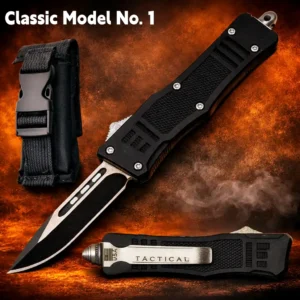
An OTF is usually at its safest in the pocket when the blade stays fully enclosed, the handle stays in one orientation, and nothing repeatedly rubs or presses the switch. In practical terms, that means clip carry with controlled pocket placement.
Here are three everyday examples where OTF pocket carry can be reasonably safe if the knife is clipped and carried alone:
- Opening shipping boxes in a stockroom: The knife stays clipped near the pocket seam until needed, instead of tumbling around with tape rolls or keys.
- Breaking down cartons during deliveries: One-handed access can be useful, but only if the knife stays anchored and the switch is not rubbing against other gear.
- General utility carry while walking, climbing stairs, or getting in and out of a vehicle: A stable clip and clear pocket reduce the chance of pressure points and accidental movement.
The OTF mechanism helps here because the blade is enclosed inside the handle until the knife is actuated. That can reduce the risk of an exposed edge compared with a poorly retained folder that has partially opened. But that is not the same as saying OTF knives are inherently safe. Pocket safety still depends on switch resistance, carry position, and upkeep, which vary by model and condition.
Observable signs of safer pocket carry include:
- Clipped vertical carry: The knife stays in a repeatable position instead of rotating in the pocket.
- Minimal pocket clutter: No keys, coins, pry bars, or lights pushing against the switch.
- Recessed or less exposed switch area: This can reduce accidental contact, though it does not eliminate it.
- Clean action: Deployment and retraction feel consistent before the knife goes back into daily carry.
When it is not safe enough for pocket carry
There are also clear situations where an OTF is a poor pocket-carry choice.
- Loose carry in a mixed pocket: If the knife is sharing space with keys, coins, or metal tools, those objects can press the actuator or change the knife’s position.
- Tight seated compression: In tight jeans, car seats, or deep crouching, the switch area can be pressed hard against fabric and body weight for long periods.
- Dirty work without maintenance: Drywall dust, sand, sawdust, pocket lint, and other fine debris can interfere with smooth function.
- Questionable clip retention: If the clip lets the knife shift, twist, or sink, pocket safety drops quickly.
Wrong tool, explicit no-go scenarios:
- Loose in the same pocket as keys and a flashlight.
- Daily carry in sandy, dusty, or lint-heavy work without regular cleaning.
- Very tight pockets where seated pressure bears directly on the switch.
- Any knife that feels inconsistent after cleaning or after a week of carry.
If one of those describes your use, another carry method or another knife style may be the safer option.
Top 5 pocket-carry risk factors
1. Mixed-pocket carry
This is the most common avoidable problem. Keys, coins, small tools, and even a compact flashlight can act as pressure points. They can bump the switch directly or wedge the knife into an angle where the switch gets rubbed more often.
2. Loose orientation instead of clip carry
When an OTF rides loose, it can rotate, sink, and shift horizontally. That makes it harder to control where the switch faces and easier for fabric, seams, or other objects to contact it.
3. Exposed or easy-to-move switch
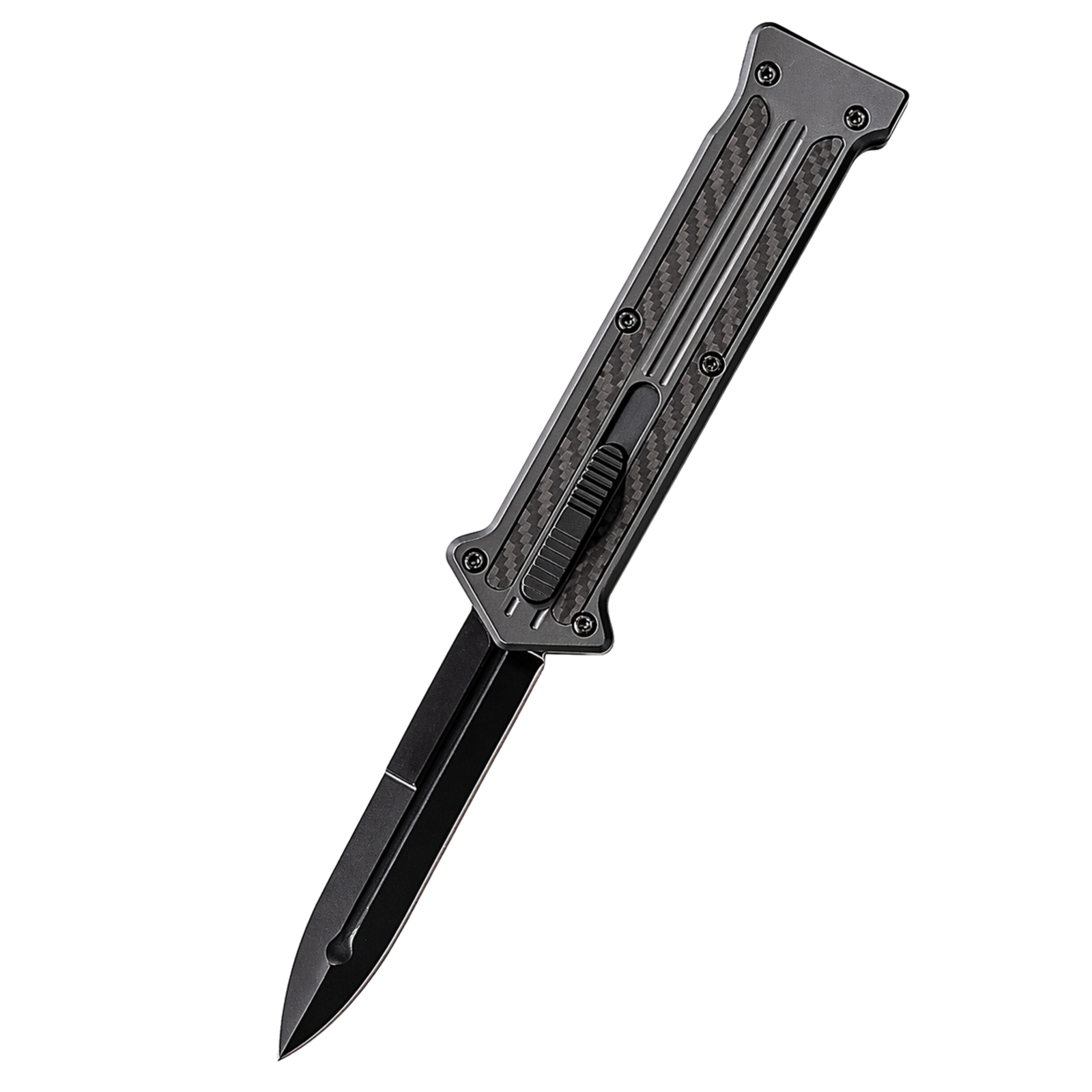
Some OTF designs have a more exposed slider than others. A proud switch or very light actuation can increase the chance of unintended movement during normal pocket activity. Because this varies by model, it is better to treat switch resistance as something to inspect rather than assume.
4. Lint and fine grit inside the handle
Pocket carry naturally introduces lint. Work environments add dust, grit, and abrasive particles. OTF mechanisms can become less consistent when contamination builds up, which is why a knife that felt fine when new may stop feeling trustworthy after regular carry.
5. Seated compression and repetitive body pressure
Sitting in a vehicle, kneeling, crouching, or wearing very tight pants can press the knife into the pocket seam or against the leg. That does not guarantee activation, but it increases sustained pressure in ways that loose standing carry does not.
Why the mechanism helps, and why it can fail
The main pocket-carry advantage of an OTF is straightforward: the blade is enclosed until deployment. That enclosure can reduce accidental edge exposure while the knife is at rest.
The main limitation is also straightforward: the deployment system depends on an actuator and internal track staying within normal operating conditions. If the switch is pressed unintentionally, if debris affects travel, or if the knife is poorly maintained, pocket safety can drop. Some double-action OTF designs may not complete travel if they meet resistance, but behavior varies by model and condition, so that should not be treated as a blanket safety guarantee.
In other words: the blade enclosure is a real benefit, but the switch and internals are the parts to watch.
Simple safe-carry checklist
Before carrying an OTF in your pocket, run through this short checklist:
- Use the clip every time.
- Give it its own pocket, or at least keep hard objects away from it.
- Check switch exposure: if the slider sits proud and rubs easily, be more cautious.
- Look for lint buildup around the switch and openings.
- After cleaning, do a function check: deploy and retract several times before returning it to pocket carry.
- Pay attention to seated carry: if your normal position compresses the switch area, reconsider where you carry it.
- Know your local law and workplace rules: legality and policy vary widely, and prohibited carry creates its own safety and liability issues.
A use-case-specific maintenance note: if you carry an OTF in jeans, work pants, or dusty environments, lint and grit are the first things to monitor. Pocket-safe on Monday does not mean pocket-safe after a week of drywall dust, warehouse debris, or heavy lint buildup. Clean it according to the maker’s instructions, then verify that deployment and retraction are consistent before carrying it again.
Brief buyer note
If you are comparing OTF knives, focus less on appearance and more on carry-related details: clip retention, switch exposure, and whether the knife still feels consistent after realistic pocket use. For business or bulk questions, use the buyer support form. For this safety question, though, the key point stays the same: clipped, solo, clean is the safer setup; loose, mixed, dirty is not.
FAQ
Can an OTF knife open by itself in a pocket?
It can happen. The risk is higher when the knife is loose, the switch is easy to move, or other objects press against the actuator. It should not be treated as impossible.
Is a pocket clip enough by itself?
No. A clip helps keep the knife oriented, but pocket safety also depends on solo carry, switch design, maintenance, and how much seated pressure the pocket creates.
Are OTF knives safer in the pocket than folders?
Sometimes, for this narrow reason: the blade starts enclosed inside the handle. But that advantage can be reduced by accidental switch contact, poor clip retention, or dirty internals.
What is the safest way to carry one in a pocket?
Clipped securely, in a dedicated pocket, with no keys or coins sharing that space, and with regular checks for lint or sluggish function.
Are OTF knives completely safe in the pocket?
No. No pocket-carry method is completely risk-free. The goal is to reduce predictable risks, not assume any design is immune to accidental actuation or carry-related failure.