

How to Use a Wet Stone Knife Sharpener: A Practical Guide


Short answer
Learn how to use a wet stone knife sharpener with simple steps, angle tips, common mistakes, and buying advice for home users and wholesale buyers.
Key Takeaways
- Knife rules can vary by state, city, blade style, opening mechanism, carry method, and intended use.
- Do not treat a product nickname as a legal category; check the actual features and local rule.
- Retailers should keep legal or safety language factual and avoid promising that one item is allowed everywhere.
Terms Used Here
- OTF
- Out-the-front; a knife design where the blade moves forward from the front of the handle.
- Automatic knife
- A knife that opens by a spring-driven mechanism after the user activates a button, switch, or slider.
In this article
- 01 What a wet stone does differently
- 02 How to use a wet stone knife sharpener step by step
- 03 1. Prepare the stone
- 04 2. Identify the blade angle
- 05 3. Start with light pressure
- 06 4. Work both sides evenly
- 07 5. Finish with finer grit if available
- 08 6. Rinse, dry, and store properly
- 09 Choosing the right wet stone for the job
- 10 Common mistakes to avoid
- 11 How shoppers and wholesale buyers can judge quality
- 12 Practical tips for better sharpening results
- 13 FAQ: wet stone knife sharpener basics
- 14 How often should a knife be sharpened on a wet stone?
- 15 Do all wet stones need to be soaked?
- 16 Can beginners use a wet stone?
- 17 What grit should I start with?
- 18 Are wet stones good for resale?
A wet stone knife sharpener works by using water to reduce friction and carry away metal filings while you sharpen the blade. The basic process is simple: soak or wet the stone if required, hold a steady angle, draw the knife across the stone with light pressure, and repeat until the edge is clean and sharp. If you are teaching staff, stocking a retail shelf, or choosing sharpening tools for resale, understanding this process helps you pick the right stone and explain it clearly to customers.
What a wet stone does differently
Wet stones are valued because they remove steel in a controlled way. Water keeps the surface from loading up with metal particles, which helps the stone cut more evenly. Many shoppers prefer them for kitchen knives, pocket knives, and general edge maintenance because they offer good feedback and can produce a refined edge without expensive equipment.
For buyers, the main appeal is consistency. A quality wet stone is easy to demonstrate, easy to store, and useful for both beginners and experienced users. That makes it a practical item for retail counters, e-commerce bundles, and wholesale programs where customers want a dependable sharpening option rather than a complicated machine.
How to use a wet stone knife sharpener step by step
1. Prepare the stone
Check the stone instructions first, because some need soaking while others only need a splash of water. Place it on a stable base or a non-slip holder so it cannot move during use. A slipping stone is one of the most common causes of poor results and accidental cuts.
2. Identify the blade angle
Most kitchen knives are sharpened at a moderate angle, often somewhere around 15 to 20 degrees per side, though the ideal angle depends on the knife style and manufacturer guidance. Smaller angles can create a keener edge, while slightly wider angles can improve durability. The key is to stay consistent from stroke to stroke.
3. Start with light pressure
Place the heel of the blade against the stone and draw it across the surface in a smooth motion, keeping the angle steady. Use light, controlled pressure. Let the stone do the work instead of forcing the blade down hard. Heavy pressure can wear the stone unevenly and make the edge less precise.
4. Work both sides evenly
Sharpen one side until you can feel a small burr or edge change, then switch to the other side. Alternate sides to keep the edge centered. For a dull knife, you may need several passes. For routine maintenance, a few controlled strokes on each side may be enough.
5. Finish with finer grit if available
If your stone set includes multiple grits, move from coarse to medium to fine. Coarser stones repair damaged edges faster, while finer stones refine the cut and improve slicing performance. This is especially useful for buyers who want to offer a complete sharpening solution instead of a single stone.
6. Rinse, dry, and store properly
After sharpening, rinse the blade carefully, wipe it dry, and clean the stone according to the manufacturer’s instructions. Store the stone in a dry place and protect it from cracking or contamination. Good storage extends product life and reduces customer complaints, which matters for both home users and wholesale accounts.
Choosing the right wet stone for the job
Not every stone is suitable for every customer. When sourcing for a store or online catalog, consider the grit range, stone size, durability, and ease of use. A beginner-friendly stone should be stable, clearly labeled, and forgiving enough for first-time users. More advanced buyers may want a wider grit selection or a larger surface for longer blades.
- Coarse grit: useful for repairing chips or very dull edges
- Medium grit: good for routine sharpening and edge shaping
- Fine grit: helps polish the edge and improve clean slicing
- Non-slip base: important for safety and user confidence
- Clear instructions: helpful for retail customers and gift buyers
If you sell to resellers or distributors, it helps to stock stones that are easy to explain in simple terms. Products with visible grit markings, durable packaging, and straightforward care instructions tend to perform better because customers can understand the value quickly.
Common mistakes to avoid
Many sharpening problems come from rushing the process. The most frequent mistake is changing the angle mid-stroke. Even a small change can make the edge uneven. Another common issue is using too much water, too little water, or the wrong setup for the stone type. Always follow the product guidance.
Other mistakes include pressing too hard, failing to clean the stone, and stopping before the edge is fully refined. A knife can feel sharper after only a few passes, but the final edge may still be rough if the finishing steps are skipped. For business buyers, this is worth noting because customer education reduces returns and improves satisfaction.
- Do not sharpen on an unstable surface
- Do not use excessive force
- Do not ignore the stone’s grit sequence
- Do not store wet stones before they are properly dried, if the manufacturer advises against it
- Do not assume every knife should be sharpened at the same angle
How shoppers and wholesale buyers can judge quality
If you are buying wet stones for resale, look for practical features that customers will notice immediately. A good sharpening stone should feel solid, cut evenly, and be easy to use without specialized training. Packaging matters too: clear labeling, care instructions, and a professional presentation help a product stand out in a crowded category.
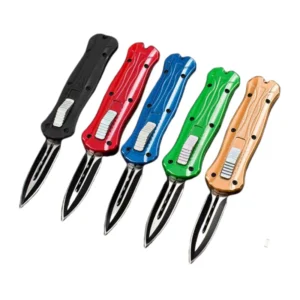
Retail buyers and distributors should also think about product mix. A balanced selection might include entry-level stones for casual users, mid-range stones for home cooks, and more durable options for heavy use. Bundles can be effective when paired with sharpening guides or storage accessories. If you also sell automatic or specialty knives, you may want to organize related products in a way that helps customers shop by use case, such as the OTF and auto knife wholesale category.
For larger purchasing decisions, consider product consistency across batches, carton protection during shipping, and whether the supplier can support repeat replenishment. If you are sourcing for a store, chain, or online marketplace, a reliable wholesale partner can save time and reduce inventory gaps. You can also use the wholesale inquiry form to ask about availability, case quantities, and product options.
Practical tips for better sharpening results
Small habits make a big difference. Keep your strokes smooth and repeatable. Use the full length of the stone so it wears evenly. Clean the blade between sides if filings build up. If the knife is very dull, start with a coarser grit and move up gradually instead of trying to finish everything on one stone.
It also helps to practice on a less expensive knife before moving to premium blades. That gives new users a chance to build muscle memory and learn how the stone feels. For store staff or demo teams, a short hands-on demonstration can make wet stones much easier for customers to understand and trust.
FAQ: wet stone knife sharpener basics
How often should a knife be sharpened on a wet stone?
That depends on how often the knife is used and what it cuts. A home kitchen knife may only need periodic maintenance, while a heavily used blade may need more frequent attention. It is usually better to maintain an edge regularly than wait until the knife is extremely dull.
Do all wet stones need to be soaked?
No. Some stones are designed for soaking, while others only need surface water. Always check the product instructions before use.
Can beginners use a wet stone?
Yes. Wet stones are beginner-friendly when the user takes time to learn the angle and applies light pressure. A non-slip base and clear instructions help a lot.
What grit should I start with?
If the knife is only slightly dull, a medium grit is often a good starting point. If the edge is damaged or very dull, begin with a coarse grit and finish with a finer one.
Are wet stones good for resale?
Yes, especially when the product is clearly labeled and easy to demonstrate. They appeal to home users, outdoor customers, and buyers who want a practical sharpening tool with broad everyday use.
Used correctly, a wet stone knife sharpener is one of the most reliable ways to maintain a sharp, clean edge. The process is straightforward, the learning curve is manageable, and the results can be excellent when the user stays patient and consistent. For shoppers, that means better performance from everyday knives. For wholesale buyers, it means a useful product that customers can understand, trust, and return to when they need sharpening solutions again.