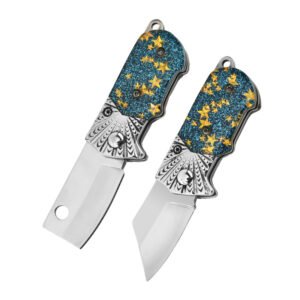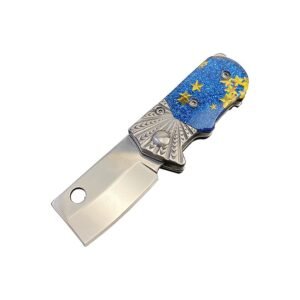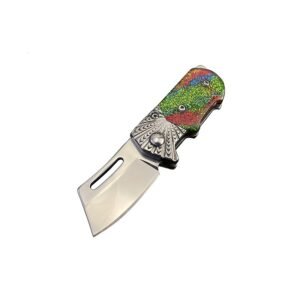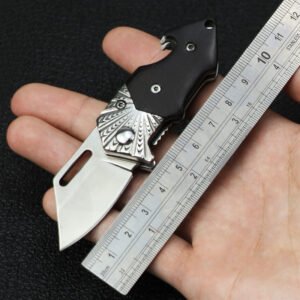


How to Work a Pocket Knife Safely and Confidently

Short answer
Learn how to work a pocket knife safely, open and close it properly, choose the right folding knife, and avoid common mistakes. Practical guidance for shoppers
In this article
- 01 What a pocket knife is meant to do
- 02 How to open a pocket knife the right way
- 03 Simple opening steps
- 04 How to hold and use it for everyday tasks
- 05 How to close a folding knife safely
- 06 Safe closing habits
- 07 What to look for when choosing a pocket knife
- 08 Common mistakes people make with pocket knives
- 09 Basic care that makes the knife easier to work
- 10 Responsible ownership and local rules
- 11 Practical FAQ
- 12 How do I know if my pocket knife is open all the way?
- 13 What is the easiest pocket knife to work for beginners?
- 14 Why does my knife feel stiff?
- 15 Can I use a pocket knife for heavy cutting jobs?
- 16 What should wholesale buyers prioritize?
The simplest way to work a pocket knife is to keep control of the blade at every step: open it with the locking mechanism fully engaged, use it for light cutting tasks only, and close it slowly with your fingers clear of the blade path. A good pocket knife should feel secure in the hand, open smoothly, and lock or hold firmly if it is designed to do so. If you are shopping for yourself or buying for a store, the best knives are the ones people can use comfortably, safely, and repeatedly without confusion.
What a pocket knife is meant to do
A pocket knife is a compact folding knife built for everyday cutting tasks. Most buyers use it for opening boxes, trimming cord, cutting packaging, preparing small materials, or general outdoor utility. It is not meant to replace a full-size tool for heavy-duty work. When people ask how to work a pocket knife, they usually mean how to open it, handle it correctly, close it safely, and choose one that matches the job.
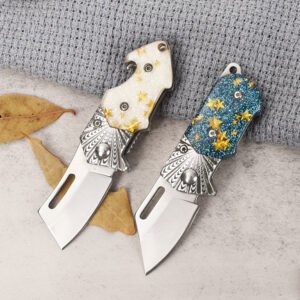
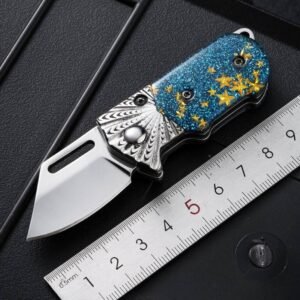
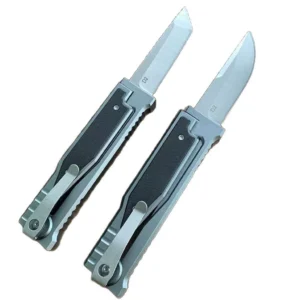
For retail shelves or wholesale assortments, that distinction matters. Customers often want a knife that feels easy to carry, simple to operate, and dependable under normal use. A well-made folding knife should have a smooth pivot, a secure handle, and a blade size that fits common daily tasks. If you are building a product lineup, a focused folding knife wholesale category can help you match different users with the right style, from basic utility models to more refined everyday carry options.
How to open a pocket knife the right way
Before opening any knife, make sure your fingers are clear of the blade path and that the knife is pointed away from your body. The opening method depends on the knife design. Some use a thumb stud or thumb hole, while others have a nail nick or a flipper tab. The goal is the same: open the blade smoothly and stop when it locks or reaches its fully open position.
Simple opening steps
- Hold the closed knife firmly in one hand.
- Keep the blade path pointed away from your face and body.
- Use the thumb stud, hole, tab, or nail nick to start the blade moving.
- Continue until the blade is fully open and the lock, if present, is engaged.
- Gently test that the blade is secure before using it.
If a knife feels stiff at first, that is not unusual. Many new folding knives need a little break-in time. However, a knife should never require force that makes the opening motion feel unsafe or unpredictable. For buyers, smooth deployment is a strong selling point because customers often judge a knife by how easily it opens in the hand.
How to hold and use it for everyday tasks
The safest way to work a pocket knife is with a stable grip and a clear cutting surface. Keep your non-cutting hand away from the blade line, and cut away from your body whenever possible. Use controlled pressure instead of pushing hard. A folding knife is most effective when it is used for slicing, scoring, trimming, and opening materials that do not require heavy force.
Good examples include cutting tape on shipping cartons, trimming zip ties, slicing rope fibers cleanly, or opening sealed packaging. If a job feels like it needs more force than the knife can comfortably provide, stop and use a better tool. Overloading a folding knife can damage the lock, bend the blade, or cause slipping.
For store buyers, this is a useful education point. Customers often return knives because they expect them to function like a pry bar or a utility tool for rough work. Clear product descriptions and in-store guidance can reduce that problem. A pocket knife sells better when people understand what it is for and what it is not for.
How to close a folding knife safely
Closing the knife is where many accidents happen, so slow down. If the knife has a lock, release it carefully while keeping your fingers out of the blade path. Fold the blade back into the handle with steady control. Never snap it shut blindly or use the other hand to force the blade closed.
Safe closing habits
- Keep the cutting edge pointed away from your palm and fingers.
- Release the lock deliberately, not with a sudden push.
- Guide the blade back into the handle slowly.
- Check that the blade is fully seated before putting it in a pocket or case.
Different locking systems feel different in use. Liner locks, frame locks, back locks, and slip joints all have their own closing motion. A buyer does not need to know every technical detail, but they should know whether the knife locks open and how it releases. That is especially important for wholesale assortments, where clear product labeling helps reduce confusion and customer complaints.
What to look for when choosing a pocket knife
If you are selecting a pocket knife for personal use or resale, focus on the features that affect comfort, control, and reliability. A knife does not need to be expensive to be useful, but it should feel solid and predictable. The best choices usually balance blade shape, handle grip, opening method, and size.
- Blade size: A moderate blade is easier to carry and usually more practical for daily tasks.
- Handle grip: Textured or contoured handles help reduce slipping.
- Locking style: A secure lock improves confidence during use.
- Opening action: Smooth opening matters for convenience and customer satisfaction.
- Steel and finish: Blade material and finish affect maintenance, corrosion resistance, and appearance.
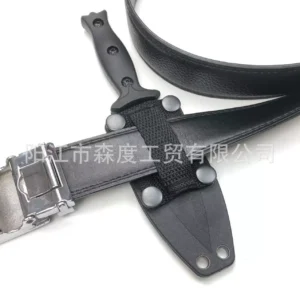
- Carry preference: Pocket clip, weight, and overall thickness influence whether people will actually carry it.
Wholesale buyers should also think about audience fit. A rugged work knife, a slim everyday carry piece, and a budget-friendly starter model all serve different shoppers. When you stock by use case rather than by appearance alone, your product mix becomes easier to sell.
Common mistakes people make with pocket knives
Most problems come from rushing, overusing the knife, or ignoring maintenance. One common mistake is opening the blade without checking where the fingers are. Another is using the knife as a pry tool, screwdriver, or scraper when it is not built for that kind of stress. Dull blades are also a frequent issue, because people press harder and lose control more easily.
Other mistakes include storing the knife dirty, carrying it loose with debris in the pivot, or buying a style that is too large, too slick, or too complicated for the intended user. For retailers, these are the kinds of issues that can be prevented with simple product education and better shelf selection.
Basic care that makes the knife easier to work
A pocket knife works better when it is clean, lightly lubricated, and sharpened properly. Wipe away dust, adhesive, and pocket lint from the pivot area. If the blade starts to feel gritty or slow, a small amount of appropriate lubricant can help restore smoother action. Keep the edge sharp enough to cut with light pressure, since a sharp blade is usually safer and more controllable than a dull one.
Storage matters too. Keep the knife dry, closed, and away from loose items that could press on the blade or damage the edge. If a knife is intended for resale, a clean presentation also improves perceived quality. Buyers notice whether the action feels smooth and whether the knife looks ready to carry.
Responsible ownership and local rules
Knife laws can vary by location, and rules may differ by blade length, opening style, or where the knife is carried. General information is helpful, but it is always wise to verify local rules before carrying or reselling certain knife types. Responsible ownership also means storing knives safely, keeping them away from children, and using them only for lawful everyday tasks.
For distributors and retailers, this is another reason to offer clear product descriptions. Customers appreciate honest guidance about size, mechanism, and intended use. That builds trust and reduces returns.
Practical FAQ
How do I know if my pocket knife is open all the way?
Most folding knives will have a firm stop or an engaged lock when fully open. If the blade still moves or feels unstable, do not use it until you confirm it is fully seated.
What is the easiest pocket knife to work for beginners?
Many beginners do well with a simple folding knife that has a straightforward opening method, a secure lock, and a comfortable handle. Easy operation and clear instructions matter more than flashy features.
Why does my knife feel stiff?
New knives can feel stiff from tight tolerances or lack of break-in. Dirt, dryness, or debris can also slow the action. If stiffness makes the knife unsafe to open, it should be cleaned and checked before use.
Can I use a pocket knife for heavy cutting jobs?
It is better to keep a pocket knife for light to moderate tasks. If a job requires prying, chopping, or high force, use a tool designed for that purpose.
What should wholesale buyers prioritize?
Look for models that are easy to explain, comfortable to carry, and dependable in everyday use. Shoppers respond well to knives that feel secure, open smoothly, and suit common utility tasks.
In the end, knowing how to work a pocket knife comes down to three habits: open it carefully, use it for the right jobs, and close and store it with control. Whether you are buying one knife for daily carry or stocking a wholesale selection for your customers, the most useful models are the ones that combine safety, comfort, and dependable performance.