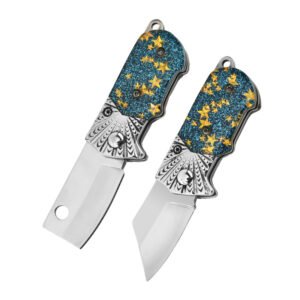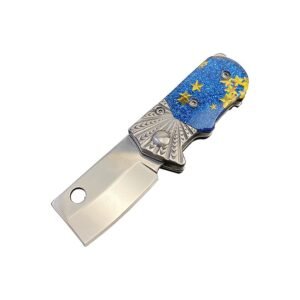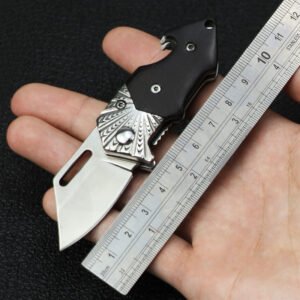


Is Carrying a Pocket Knife Illegal? What Buyers and Sellers Should Know

Short answer
Learn when carrying a pocket knife may be legal or restricted, what factors affect knife laws, common mistakes to avoid, and how wholesale buyers can choose com
Key Takeaways
- Separate carry-on rules, checked-bag rules, airline policy, and destination law before making a decision.
- Use current official guidance for travel questions; product descriptions alone are not enough.
- For resale, clear customer notes reduce confusion around travel, carry, and storage.
Terms Used Here
- OTF
- Out-the-front; a knife design where the blade moves forward from the front of the handle.
- Automatic knife
- A knife that opens by a spring-driven mechanism after the user activates a button, switch, or slider.
- Pocket knife
- A compact knife intended for pocket carry, often with a folding blade.
- Folding knife
- A knife with a blade that pivots into the handle for storage.
In this article
- 01 Why the answer changes from place to place
- 02 Common factors that affect legality
- 03 What usually counts as a typical pocket knife
- 04 Situations where carrying may be restricted
- 05 How to choose a knife with compliance in mind
- 06 Practical buyer criteria
- 07 Mistakes shoppers and sellers often make
- 08 What responsible carrying looks like
- 09 Frequently asked questions
- 10 Is a pocket knife legal to carry every day?
- 11 Are automatic or OTF knives treated differently?
- 12 Can I carry a pocket knife in my car?
- 13 What is the safest knife type for broad retail sales?
- 14 Should wholesale buyers stock one knife style for all markets?
- 15 Final takeaways for shoppers and wholesale buyers
Carrying a pocket knife is not automatically illegal, but the answer depends on where you are, how the knife opens, how long the blade is, and how you carry it. In many places a small folding pocket knife is legal for everyday use, while certain blade types, concealed carry rules, schools, government buildings, and local ordinances can change the situation quickly. If you are buying for retail, resale, or distribution, it is important to understand the basic rules before you stock or carry any knife.
Why the answer changes from place to place
Knife laws are not the same everywhere. In some states and cities, a standard folding knife is treated much like a utility tool. In others, there are restrictions based on blade length, locking mechanisms, assisted opening, automatic opening, or whether the knife is carried openly or concealed. A knife that is fine in one town may be restricted in another just a few miles away.
That is why the real question is not just is carrying a pocket knife illegal, but where, what type, and how you carry it. Local rules can also differ from state law. Even if a state is generally knife-friendly, a city ordinance or venue policy may still limit possession.
Common factors that affect legality
When people ask whether pocket knife carry is allowed, these are the details that usually matter most:
- Blade length: Some places set a maximum length for lawful carry.
- Opening mechanism: Manual folding knives are often treated differently from assisted-opening or automatic knives.
- Locking blade: Some jurisdictions regulate locking knives more strictly than simple slip-joint folders.
- Concealed vs. open carry: A knife carried in a pocket, bag, or vehicle may count as concealed.
- Location: Schools, courthouses, airports, stadiums, and private businesses often have separate rules.
- Purpose and behavior: Lawful utility use is different from carrying in a way that creates concern or violates another law.
For buyers and resellers, these details matter because the same product can have different demand and different risk depending on the market you serve.
What usually counts as a typical pocket knife
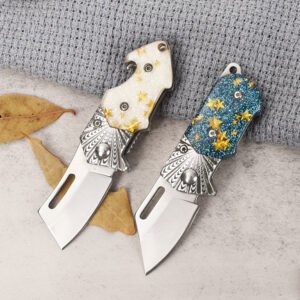
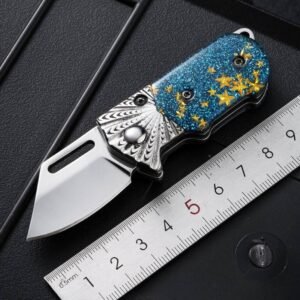
A basic pocket knife is usually a folding knife designed for everyday tasks such as opening boxes, cutting cord, or outdoor use. Many shoppers look for compact carry, a secure handle, and a blade that is practical without being oversized. In general, simple manual folders are easier for customers to understand and easier for stores to explain than more specialized knife types.
That said, even a small folder can run into trouble if it is carried in a restricted place or if local law treats certain blade styles differently. A buyer should never assume that “pocket knife” automatically means “legal everywhere.”
Situations where carrying may be restricted
There are several common situations where a pocket knife can become a problem even if it seems ordinary:
- Schools and campuses: Many have strict no-knife policies.
- Airports and secure transportation areas: Carrying a knife there can lead to confiscation or penalties.
- Government buildings: Courthouses and administrative facilities often prohibit knives.
- Private property: Stores, event venues, and workplaces may set their own rules.
- Vehicle carry: Some places treat a knife in a glove box, center console, or bag differently from a knife clipped visibly to a pocket.
For this reason, responsible owners should check both the law and the location policy before carrying. Wholesale buyers should also consider whether their inventory is suitable for broad retail distribution or better suited to a more specialized customer base.
How to choose a knife with compliance in mind
If you are a retailer, distributor, or reseller, product selection should balance customer utility with common legal concerns. Buyers often look for knives that are easy to explain, easy to sell, and less likely to create avoidable issues.
Practical buyer criteria
- Simple manual opening: Often easier to position for general everyday use.
- Moderate blade size: Smaller, utility-focused blades are usually more versatile across markets.
- Clear product descriptions: Customers should know blade length, opening style, and intended use.
- Reliable construction: Good fit and finish matter for safety and customer satisfaction.
- Storage and display readiness: Retail packaging and inventory handling should support responsible sales.
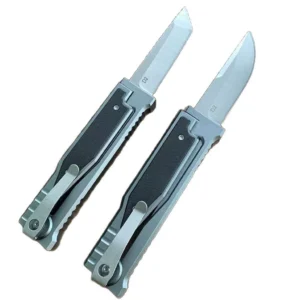
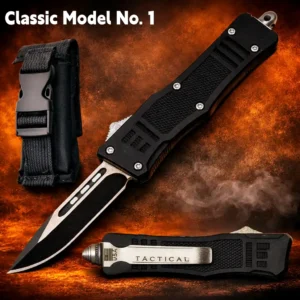
For wholesale buyers looking for automatic and OTF options, it helps to review product categories carefully and understand the laws in the states and municipalities where you operate. You can browse the OTF and automatic knife wholesale category to compare styles and decide what fits your market.
Mistakes shoppers and sellers often make
Many knife-related problems start with simple assumptions. These are some of the most common mistakes to avoid:
- Assuming all pocket knives are legal. Lawful carry depends on the exact knife and the exact location.
- Ignoring local ordinances. City rules can be stricter than state rules.
- Overlooking venue policies. A place can prohibit knives even when the law does not.
- Buying inventory without checking market restrictions. This can create returns, complaints, or compliance issues.
- Failing to educate customers. Clear product descriptions and responsible guidance help reduce problems.
For wholesale customers, these mistakes can affect not only compliance but also customer trust. If you need help sourcing products for a specific sales channel, the wholesale inquiry form is the best place to start.
What responsible carrying looks like
Responsible ownership is about more than the knife itself. It includes safe storage, lawful transport, and respectful use. A pocket knife should be kept secure, used only for ordinary tasks, and stored away from children. If you are unsure about a local rule, do not carry the knife until you verify the law or speak with a qualified local authority.
Retailers can support responsible ownership by stocking products with clear specifications, avoiding vague descriptions, and making sure customers understand that laws vary. This is especially important when selling to multiple states or operating online.
Frequently asked questions
Is a pocket knife legal to carry every day?
Sometimes yes, sometimes no. Many places allow ordinary folding knives for everyday use, but local laws, blade length limits, and location-specific rules can change that.
Are automatic or OTF knives treated differently?
Often they are. Automatic and OTF knives may face more restrictions than a standard manual folder, depending on the jurisdiction. Always verify the rules before selling or carrying them.
Can I carry a pocket knife in my car?
It depends on local law and how the knife is stored. A knife in a pocket, bag, or vehicle compartment may be treated differently from one carried openly. Check the rules where you drive and park.
What is the safest knife type for broad retail sales?
Many buyers prefer simple, manual folding knives with moderate blade lengths because they are practical and easier for customers to understand. Even then, sellers should avoid making blanket legal claims.
Should wholesale buyers stock one knife style for all markets?
Usually not. Different regions have different rules and customer preferences. A better approach is to choose a mix of products that fit the markets you serve and to confirm local compliance before listing them.
Final takeaways for shoppers and wholesale buyers
So, is carrying a pocket knife illegal? Not always. In many cases it is legal, but the answer depends on the knife, the location, and the local rules that apply to you. The safest approach is to treat knife carry as a local-law issue, not a one-size-fits-all answer. For shoppers, that means checking before you carry. For retailers and wholesale buyers, it means choosing inventory carefully, describing products clearly, and understanding the markets you serve.
If you are sourcing knives for resale, focus on products that match your customers’ everyday needs, your local regulations, and your business model. Responsible selection helps reduce problems, improves customer confidence, and supports long-term sales.