

What Is the Best Pocket Knife? A Practical Buyer’s Guide

Short answer
Learn what makes the best pocket knife for everyday carry, retail shelves, and wholesale sourcing. Compare blade steel, lock type, size, and value with practica
Key Takeaways
- Knife rules can vary by state, city, blade style, opening mechanism, carry method, and intended use.
- Do not treat a product nickname as a legal category; check the actual features and local rule.
- Retailers should keep legal or safety language factual and avoid promising that one item is allowed everywhere.
Terms Used Here
- Pocket knife
- A compact knife intended for pocket carry, often with a folding blade.
- Folding knife
- A knife with a blade that pivots into the handle for storage.
In this article
- 01 What Makes a Pocket Knife the Best?
- 02 Start With the Main Use
- 03 Everyday carry
- 04 Work and utility use
- 05 Outdoor and travel use
- 06 The Features That Matter Most
- 07 Popular Pocket Knife Types and Who They Suit
- 08 Classic everyday folders
- 09 Modern tactical-style folders
- 10 Compact gentleman’s knives
- 11 Heavy-duty work folders
- 12 Common Mistakes Buyers Make
- 13 What Wholesale Buyers Should Look For
- 14 A Simple Way to Judge Value
- 15 How to Narrow Down Your Choice
- 16 FAQ: Best Pocket Knife Questions
- 17 What is the best pocket knife for everyday carry?
- 18 Is a more expensive pocket knife always better?
- 19 What blade steel is best?
- 20 What should retailers stock?
- 21 Should I check knife laws before buying?
- 22 The Bottom Line
The best pocket knife is the one that fits the job, feels secure in hand, opens smoothly, and holds up to daily use without being overbuilt. For most buyers, that means a folding knife with a practical blade length, dependable lock, corrosion-resistant steel, and a size that is easy to carry every day. If you are shopping for yourself, stocking a retail display, or sourcing for resale, the “best” pocket knife is usually the one that balances performance, price, and customer appeal.
What Makes a Pocket Knife the Best?
There is no single pocket knife that is perfect for everyone. A camper, warehouse worker, office user, collector, and reseller may all define “best” differently. Still, the strongest choices usually share a few traits: they are comfortable to hold, simple to operate, safe to carry, and built from materials that match the buyer’s budget.
When comparing options, look at the whole package instead of one flashy feature. A knife with premium steel but a weak lock may disappoint. A knife with a great handle but poor edge retention may need frequent sharpening. The best pocket knife delivers balanced performance in real daily use.
Start With the Main Use
The right pocket knife depends on how it will actually be used. That is the first decision shoppers and wholesale buyers should make.
Everyday carry
For everyday carry, most people want a lightweight folder that opens easily, rides comfortably in a pocket, and handles common tasks like opening packages, cutting cord, or trimming materials. A blade around 2.75 to 3.5 inches is often a practical range for everyday use.
Work and utility use
For trade work, warehouse tasks, and jobsite carry, buyers often prefer a sturdier handle, grippy texture, and a lock that inspires confidence. A slightly thicker blade and a simple, durable design are usually better than a delicate showpiece.
Outdoor and travel use
For camping or travel, corrosion resistance matters more because the knife may see moisture, dirt, and temperature changes. Stainless steels and easy-clean handle materials are often strong choices. Always verify local rules before carrying any knife in public or while traveling.
The Features That Matter Most
If you want to know what is the best pocket knife, focus on these core features before looking at style or brand name.
- Blade steel: Good pocket knife steel should offer a useful balance of sharpness, edge retention, toughness, and corrosion resistance. Common stainless steels are popular because they are easier for everyday owners to maintain.
- Lock type: A secure lock helps the knife feel stable during use. Buyers often look for liner locks, frame locks, lockbacks, or button-style mechanisms depending on the design.
- Opening method: Thumb studs, flipper tabs, and thumb holes can make a knife quicker to deploy. For retail, simple and familiar opening methods often appeal to more customers.
- Handle material: G10, aluminum, stainless steel, wood, and polymer each create a different feel and price point. Textured handles usually improve grip.
- Weight and carry size: A knife that is too heavy gets left at home. A knife that is too small may not feel useful. The best pocket knife is easy to carry without being hard to control.
- Maintenance: Easy cleaning, simple sharpening, and solid hardware matter more than many first-time buyers expect.
Popular Pocket Knife Types and Who They Suit
Different folding knife styles work better for different buyers. This is useful for both shoppers and wholesale buyers building an assortment.
Classic everyday folders
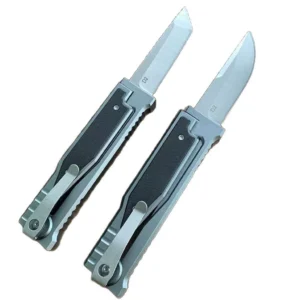
These are the most broadly appealing pocket knives. They usually have a straightforward blade shape, a comfortable handle, and a price that works for impulse purchases or gift buying.
Modern tactical-style folders
These often feature aggressive styling, textured handles, and fast-opening hardware. They can be strong sellers, but not every customer wants a larger or more aggressive-looking knife. Retailers should stock them selectively.
Compact gentleman’s knives
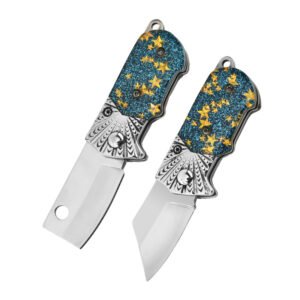
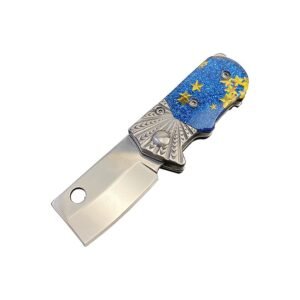
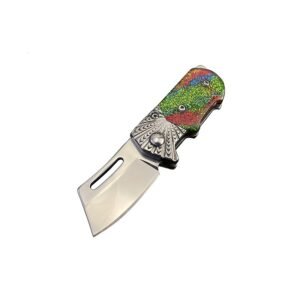
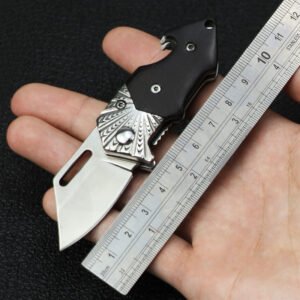
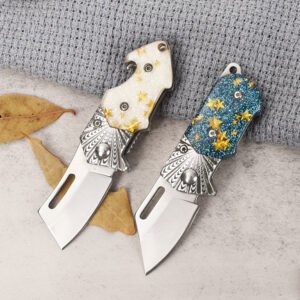
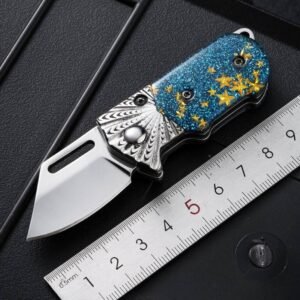
Smaller, cleaner designs are popular with office users and buyers who want something discreet. These often make excellent gift items and can be attractive for display cases.
Heavy-duty work folders
These are built for frequent use and usually emphasize durability over elegance. They are a smart category for hardware stores, industrial resellers, and customers who need a dependable tool.
Common Mistakes Buyers Make
Many people choose a pocket knife based on looks alone. That is one of the fastest ways to end up with a knife that is uncomfortable, hard to maintain, or not suited to the user.
- Choosing the biggest knife: Bigger is not always better. Oversized knives can be less comfortable to carry and may not fit local carry rules.
- Ignoring the lock: A stylish blade is not enough if the lock feels flimsy or awkward.
- Overpaying for features they will not use: Some buyers do not need premium steel or advanced materials. A practical mid-range knife may be the better value.
- Forgetting maintenance: A knife that is hard to sharpen or prone to rust can become frustrating quickly.
- Not checking local laws: Carry rules can vary by location. Buyers should verify local regulations before purchasing for carry or resale guidance.
What Wholesale Buyers Should Look For
For retailers, distributors, and online resellers, the best pocket knife is not only about performance. It also needs broad customer appeal, reliable supply, and a price point that leaves room for margin. A balanced assortment usually sells better than a single high-end model.
Wholesale buyers often do well with a mix of entry-level folders, mid-range everyday carry knives, and a few upgraded models for upselling. The most useful inventory tends to include knives with clear value, familiar features, and consistent quality across the batch. If you are building out a folding knife program, browsing a dedicated folding knife wholesale category can help you compare styles and price tiers in one place.
When sourcing in volume, also consider packaging, display readiness, and customer support needs. Retail customers often respond well to knives that feel giftable, while business buyers may prefer durable, easy-to-explain models that move quickly off the shelf.
A Simple Way to Judge Value
Instead of asking which knife is objectively the best, ask which one gives the most value for the intended use. A good value pocket knife usually offers:
- Reliable blade steel for the price
- A secure, easy-to-understand lock
- Comfortable ergonomics
- Practical blade size
- Good fit and finish for the budget
For many shoppers, the best pocket knife is not the most expensive one. It is the one that feels dependable every time it is carried.
How to Narrow Down Your Choice
If you are comparing several folders, use this quick buying approach:
- Decide whether the knife is for everyday carry, work, outdoor use, or retail resale.
- Pick a blade size that fits the task and local carry expectations.
- Choose a steel level that matches maintenance habits.
- Check the lock and opening method for comfort and confidence.
- Compare handle shape, weight, and pocketability.
- Look at price against customer demand or personal budget.
This method keeps the focus on real-world usefulness instead of hype.
FAQ: Best Pocket Knife Questions
What is the best pocket knife for everyday carry?
The best everyday carry pocket knife is usually a compact folding knife with a comfortable handle, dependable lock, and a blade size that is easy to carry daily. Many buyers prefer a simple stainless steel blade and a lightweight handle.
Is a more expensive pocket knife always better?
Not always. Higher-priced knives may offer better materials or finish, but the best choice depends on how the knife will be used. A mid-range folder can be the smarter purchase for many people.
What blade steel is best?
There is no single best steel for every buyer. Stainless steels are popular because they resist corrosion and are easier to maintain, while some premium steels may hold an edge longer. The right choice depends on use and care habits.
What should retailers stock?
Retailers often do best with a mix of practical everyday folders, compact giftable knives, and durable work models. A varied selection helps serve different customer types and price points.
Should I check knife laws before buying?
Yes. Knife rules can vary by state, city, and travel situation. General information is not a substitute for local legal guidance, so buyers should verify current rules before carrying or reselling for carry use.
The Bottom Line
The best pocket knife is the one that matches the buyer’s needs, feels secure in hand, and offers dependable value over time. For most people, that means a well-built folding knife with practical size, solid materials, and a design that is easy to live with every day. For wholesale buyers, the best pocket knife is also one that sells consistently, fits a clear price band, and appeals to a wide range of customers. Whether you are buying one knife or stocking a full display, focus on usefulness first and style second.