




Is It Legal to Carry a Pocket Knife? A Practical Guide for Buyers and Retailers

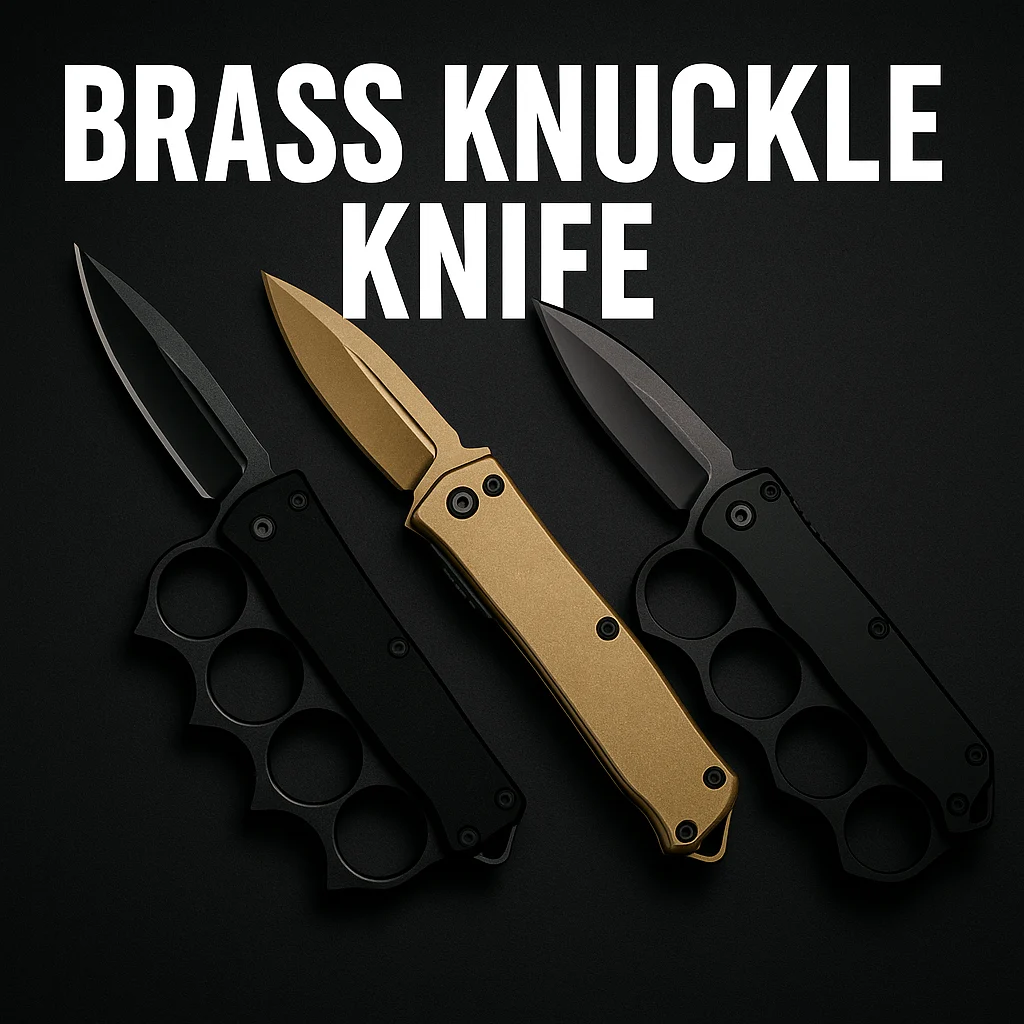
In many places, it is legal to carry a pocket knife, but the answer depends on where you are, what type of knife it is, how you carry it, and what you plan to use it for. Local laws can vary widely, so the safest approach is to check the rules for your city, county, and state or province before buying, carrying, or reselling any folding knife.
For shoppers and wholesale buyers alike, the practical question is not just whether a pocket knife exists in a legal category, but whether a specific blade length, opening style, locking mechanism, or carry method fits local rules. That is especially important for retail stores, online sellers, and distributors who need inventory that appeals to customers without creating avoidable compliance problems.
What usually affects whether a pocket knife can be carried
Most knife laws focus on a few common details. A pocket knife that is legal in one place may be restricted in another based on one or more of these factors:
- Blade length: Some jurisdictions set a maximum blade length for everyday carry.
- Opening style: Assisted-open, automatic, or one-handed opening knives may be treated differently from basic manual folders.
- Locking mechanism: A locking blade may be restricted in certain locations even when a non-locking folder is allowed.
- Concealed versus visible carry: Some laws care about whether the knife is hidden or openly carried.
- Location: Schools, government buildings, airports, stadiums, and similar places often have separate rules.
- Purpose and behavior: A knife carried for work or utility is viewed differently than one carried in a threatening way.
Because of these differences, a buyer should never assume that “pocket knife” automatically means “legal everywhere.” For wholesale customers, it is smart to stock folding knives in a range of sizes and styles so retail shoppers can choose models that better fit their local rules.
Common situations where a pocket knife is usually more acceptable
Although laws vary, pocket knives are often more acceptable when they are small, used for ordinary utility tasks, and carried responsibly. Examples include opening boxes, cutting cord, trimming loose material, or handling light work on a job site. In many areas, a standard folding knife carried in a pocket for these tasks is less likely to raise concerns than a larger blade or a knife designed primarily for tactical use.
That said, “usually acceptable” is not the same as universally legal. A customer may travel from one town to another and cross into a different legal standard without realizing it. Retailers should be careful not to oversimplify knife carry laws when speaking with buyers.
What shoppers should check before carrying one
If you are buying a pocket knife for everyday carry, the smartest move is to verify a few details before you clip it to your pocket or bag:
- Blade length limits: Measure the blade from the pivot to the tip, following the method used by your local rules if one is specified.
- Restricted locations: Check whether schools, courthouses, airports, public events, or workplaces have their own policies.
- Opening method: Make sure the knife type is allowed where you plan to carry it.
- Concealment rules: Some places allow carry only if the knife is not hidden in a way that violates local law.
- Age rules: Certain jurisdictions limit sales or possession by minors.
A simple habit can help: keep the product packaging, item description, or purchase record so you can identify the exact model if you need to confirm its specifications later. This is especially useful for customers who buy several knives from a folding knife wholesale category and want to match inventory to local compliance needs.
How retailers and distributors can choose safer inventory
For B2B buyers, the best inventory strategy is to carry practical folding knives that appeal to a wide audience without pushing into the most restricted categories unless you understand the market. A well-rounded selection usually includes compact manual folders, utility-focused designs, and models with clear product specifications.
When sourcing wholesale, look for these buyer-friendly features:
- Clear blade measurements: Customers and store staff should be able to identify length quickly.
- Simple, everyday designs: Utility styling often sells well to general buyers.
- Reliable materials: Steel type, handle material, and lock quality matter for long-term customer satisfaction.
- Consistent product labeling: Accurate descriptions reduce returns and confusion.
- Variety without overcomplication: Offer different sizes and finishes, but avoid building a catalog that is hard to explain at the counter.
Wholesale sourcing also helps retailers keep margin-friendly options in stock. Buyers who manage a store or online shop often do better when they can offer a practical range of folding knives instead of a single style that may not suit every customer or every local rule.
Mistakes to avoid when carrying or selling pocket knives
One of the most common mistakes is assuming that a knife is legal because it is small. Size matters, but it is only one part of the picture. Another mistake is ignoring place-specific restrictions. A knife that is fine for a work bag may still be prohibited at a school, courthouse, or airport checkpoint.
Retailers and resellers should also avoid vague product descriptions. If a listing does not clearly state blade length, opening style, or lock type, customers may buy the wrong item for their area. That can lead to complaints, returns, or legal concerns. Accurate product data is not just good service; it protects the business.
For personal carry, avoid using a knife in a way that could be interpreted as threatening or reckless. Even where possession is legal, behavior can create a problem. Responsible ownership means keeping the knife stored safely, using it only for ordinary tasks, and respecting private property rules and local restrictions.
How to choose a pocket knife with compliance in mind
If you are shopping for yourself or stocking a store, focus on features that make the knife easy to understand and easier to carry responsibly. A sensible choice often includes a moderate blade length, a straightforward manual opening method, and a sturdy pocket clip or sheath that keeps the knife secure.
Think about the end user too. A customer who needs a knife for packaging, warehouse work, or daily utility may prefer a compact folder that is easy to carry and simple to maintain. A reseller serving general consumers may benefit from offering several options with different handle colors, blade finishes, and size profiles so buyers can match local rules and personal preference.
Practical FAQ
Is it legal to carry a pocket knife everywhere?
No. Many places allow some form of pocket knife carry, but not everywhere and not every type. Local laws and venue rules matter.
Can I carry a pocket knife for work?
Often yes, but work use does not override local restrictions. If your job requires a knife, check workplace policy and the laws where you work.
Are folding knives treated differently from fixed blades?
Often they are. Folding knives are commonly viewed as everyday utility tools, but the exact legal treatment depends on the jurisdiction and the knife’s features.
What should a retailer tell customers?
Retailers should provide accurate specifications and encourage buyers to verify local rules before carrying any knife. That is especially important for knives with larger blades or specialized opening mechanisms.
What is the safest buying choice for general customers?
For broad appeal, many stores start with compact, clearly labeled folding knives that are designed for ordinary utility tasks and are easy for customers to identify.
The bottom line
So, is it legal to carry a pocket knife? In many places, yes, but only if the knife and the carry situation fit local law. The details matter: blade length, opening style, location, and intended use can all change the answer. Before carrying one, verify the rules where you live and where you plan to go. Before stocking them, retailers and distributors should choose clear, well-described folding knives that customers can buy with confidence and carry responsibly.