

What Is a Knife Sharpener Called?


Short answer
Learn what a knife sharpener is called, the main types available, how each one works, and what wholesale buyers should look for when sourcing sharpening tools.
Key Takeaways
- Knife rules can vary by state, city, blade style, opening mechanism, carry method, and intended use.
- Do not treat a product nickname as a legal category; check the actual features and local rule.
- Retailers should keep legal or safety language factual and avoid promising that one item is allowed everywhere.
Terms Used Here
- OTF
- Out-the-front; a knife design where the blade moves forward from the front of the handle.
In this article
- 01 What people usually mean by “knife sharpener”
- 02 Main names used for knife sharpeners
- 03 Knife sharpener
- 04 Sharpening stone or whetstone
- 05 Honing steel
- 06 Knife sharpening system
- 07 Electric sharpener
- 08 Pull-through sharpener
- 09 How to choose the right type for your customer
- 10 What makes a sharpener worth buying
- 11 Common mistakes buyers and shoppers make
- 12 What customers often ask in stores
- 13 Is a knife sharpener the same as a honing rod?
- 14 Which sharpener is easiest for beginners?
- 15 Are whetstones better than electric sharpeners?
- 16 Can one sharpener work for every knife?
- 17 Why wholesale buyers should care about the terminology
- 18 Practical FAQ
- 19 What is a knife sharpener called in professional settings?
- 20 What should I stock first for general shoppers?
- 21 Do sharpeners need special care?
- 22 Can sharpeners be sold with knives as bundles?
- 23 Are there legal concerns with knife products?
A knife sharpener is usually called a knife sharpener, but depending on the tool, people may also call it a sharpener, honing tool, sharpening stone, whetstone, steel, or knife sharpening system. The exact name depends on how the tool works and what level of edge maintenance it is meant for. For shoppers and wholesale buyers, knowing the difference helps you choose the right product for home users, retailers, or professional customers.
What people usually mean by “knife sharpener”
In everyday conversation, the phrase “knife sharpener” covers several different tools. Some remove metal to create a new edge, while others realign an edge that is already dulling. That distinction matters because a customer looking for fast kitchen maintenance may need a simple pull-through sharpener, while someone restoring a heavily worn blade may need a whetstone or guided sharpening system.
If someone asks, “What is a knife sharpener called?” the safest answer is that it is generally called a knife sharpener, but the professional terms vary by type. Retail buyers and distributors often stock more than one option because customers use the same phrase for very different products.
Main names used for knife sharpeners
Knife sharpener
This is the broad, everyday term. It can refer to electric models, manual pull-through sharpeners, pocket sharpeners, or countertop tools. It is the most familiar label for casual shoppers.
Sharpening stone or whetstone
A whetstone is one of the most traditional sharpening tools. It is a flat stone used with water or oil, depending on the stone type. Many customers also call it a sharpening stone. These are popular with cooks, knife enthusiasts, and buyers who want more control over the edge.
Honing steel
A honing steel is often mistaken for a sharpener, but it usually does not remove much metal. Instead, it helps straighten the edge between sharpenings. Many kitchen users keep one near the prep area for routine maintenance. It is a useful add-on product, but it should not be marketed as a full replacement for sharpening.
Knife sharpening system
This term usually refers to a guided setup that holds the blade at a fixed angle. These systems are common for customers who want repeatable results and are willing to spend more for precision. They are attractive to hobbyists, collectors, and serious home users.
Electric sharpener
An electric sharpener is exactly what it sounds like: a powered tool that sharpens with abrasive wheels or belts. These are popular for speed and convenience, especially in busy kitchens. Buyers often look for multi-stage models that can sharpen and finish the edge in one process.
Pull-through sharpener
This is a compact manual sharpener with preset slots. It is one of the easiest tools for casual users to understand. It is often chosen for value pricing, gift sets, and everyday household use.
How to choose the right type for your customer
Different shoppers need different sharpening tools, so wholesalers and retailers benefit from matching the product to the use case. A good assortment often includes both simple and advanced options.
- For quick home use: pull-through sharpeners and basic electric models are easy to explain and easy to sell.
- For kitchen enthusiasts: whetstones and guided systems offer more control and better long-term value.
- For maintenance between sharpenings: honing steels are useful add-ons and can increase basket size.
- For outdoor or pocket knives: compact sharpeners are convenient for travel, camping, and tool kits.
- For commercial buyers: durability, replacement parts, and consistent angle performance matter more than flashy packaging.
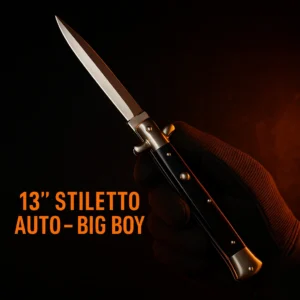
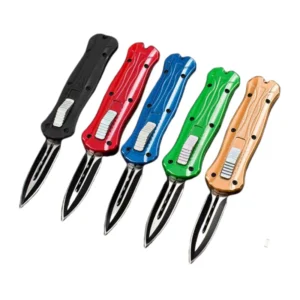
If you are sourcing for resale, it helps to carry a mix of entry-level and premium products. That way, you can serve first-time buyers as well as customers who already know what they want. For knife-focused assortments, some buyers also pair sharpening tools with product lines like the OTF and auto knife wholesale category, where customers often ask about maintenance and edge care alongside the knives themselves.
What makes a sharpener worth buying
Not all sharpeners are equal, and buyers should look beyond the lowest price. A good product should be practical, durable, and easy to explain to the end customer.
- Angle consistency: tools that hold a steady angle usually deliver better results for beginners.
- Abrasive quality: the sharpening surface should be strong enough to work efficiently without wearing out too quickly.
- Ease of use: many customers want a tool that works without a steep learning curve.
- Safety features: stable bases, hand guards, and non-slip grips can improve user confidence.
- Compatibility: some sharpeners work better on kitchen knives than on serrated blades, outdoor knives, or specialty edges.
- Packaging and instructions: clear labeling reduces returns and customer confusion.
For wholesale sourcing, consistency across units matters just as much as the product design. Retailers and distributors should ask whether the supplier can maintain the same grit levels, materials, and build quality across repeat orders. If you are evaluating a supplier, the wholesale inquiry form is a practical place to start a conversation about product options and order requirements.
Common mistakes buyers and shoppers make
Many people buy the wrong sharpener because they assume all tools do the same job. That can lead to poor results, damaged edges, or unhappy customers. A few common mistakes are easy to avoid.
- Mixing up honing and sharpening: a honing steel maintains an edge, but it does not fully restore a dull blade.
- Choosing speed over control: a very fast tool may remove too much material if used carelessly.
- Ignoring blade type: serrated knives, specialty steels, and thick outdoor blades may need different solutions.
- Buying without checking angle options: angle matters because different knives perform best at different edge profiles.
- Overlooking safety and stability: a slippery base or awkward grip can make a simple task frustrating.
For resale, another mistake is carrying only one kind of sharpener and expecting it to fit every customer. A strong assortment can reduce returns and help staff answer questions more confidently.
What customers often ask in stores
Store buyers and sales teams usually hear a few repeat questions. Having simple answers ready can make the sale easier.
Is a knife sharpener the same as a honing rod?
Not exactly. A honing rod helps keep an edge aligned, while a sharpener usually removes material to create or renew the edge.
Which sharpener is easiest for beginners?
Many beginners prefer a pull-through sharpener or a basic electric model because the process is simple and quick.
Are whetstones better than electric sharpeners?
That depends on the user. Whetstones offer more control and can produce excellent results, while electric sharpeners are faster and more convenient. Both have a place in the market.
Can one sharpener work for every knife?
No single tool is ideal for every blade. Buyers should check whether the sharpener is suitable for straight edges, serrations, or specialty knives.
Why wholesale buyers should care about the terminology
When customers say “knife sharpener,” they may be asking for a simple gadget, a premium sharpening system, or a maintenance accessory like a honing steel. That is why product names, packaging, and staff training matter. Clear terminology helps reduce confusion at the point of sale and makes it easier to build product bundles that actually fit customer needs.
For example, a retailer selling kitchen knives may do well with a starter sharpener next to a more advanced whetstone option. A distributor serving outdoor shops may want compact sharpeners and durable maintenance tools that fit travel or field use. The right mix depends on your audience, not just the category name.
Practical FAQ
What is a knife sharpener called in professional settings?
Professionals may use terms like sharpening stone, whetstone, honing steel, electric sharpener, or sharpening system, depending on the tool.
What should I stock first for general shoppers?
A simple manual sharpener and a basic honing tool are common entry points, with whetstones or guided systems added for more advanced customers.
Do sharpeners need special care?
Yes. Many should be kept clean, dry, and stored safely. Always follow the manufacturer’s instructions for maintenance.
Can sharpeners be sold with knives as bundles?
Yes, and that can be a smart merchandising move. Bundles often help customers understand maintenance needs right away.
Are there legal concerns with knife products?
Knife and sharpening tool rules can vary by location. Sellers and buyers should verify local laws and store policies before stocking or shipping related products.
In short, a knife sharpener is usually called a knife sharpener, but the more specific name depends on the tool type. Understanding those differences helps shoppers choose the right product and helps wholesale buyers build a stronger, more useful assortment. Whether you are stocking a retail shelf or sourcing for online resale, the best sharpening tools are the ones that are clear, reliable, and suited to the customer’s actual needs.