

What Is a Pocket Knife? A Practical Guide for Buyers and Retailers

Short answer
Learn what a pocket knife is, how it works, common types, buying tips, safety basics, and what wholesale buyers should look for.
In this article
- 01 What makes a pocket knife different?
- 02 How a pocket knife is built
- 03 Common pocket knife types
- 04 Everyday carry folding knives
- 05 Traditional pocket knives
- 06 Heavy-duty work folders
- 07 Multi-blade pocket knives
- 08 What buyers should look for
- 09 Why pocket knives stay popular in retail and wholesale
- 10 Common mistakes to avoid when choosing one
- 11 Safety, storage, and responsible ownership
- 12 What a good pocket knife looks like in practice
- 13 FAQ: pocket knife basics
- 14 Is a pocket knife the same as a folding knife?
- 15 What size pocket knife is best?
- 16 Which pocket knife lock is best?
- 17 What should wholesale buyers prioritize?
- 18 Are pocket knives legal everywhere?
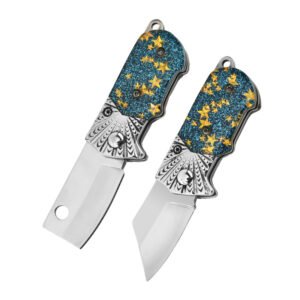
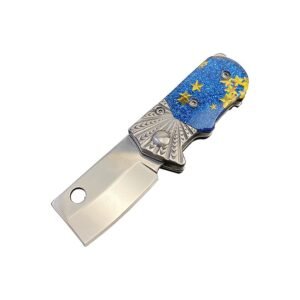
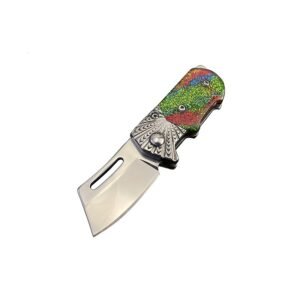
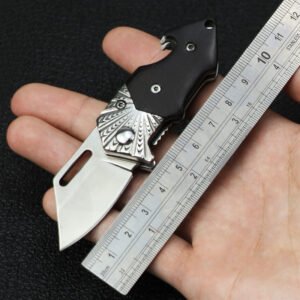
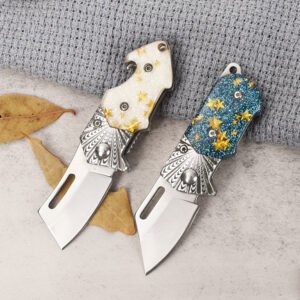
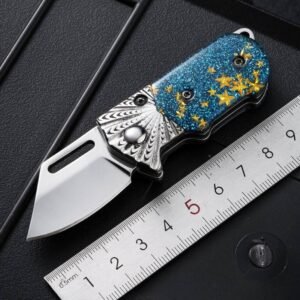
A pocket knife is a compact folding knife designed to carry safely in a pocket, bag, or toolbox and open when needed for everyday cutting tasks. Most pocket knives use a folding blade that tucks into the handle, which makes them convenient for daily use, travel, work, and outdoor carry. For shoppers and wholesale buyers alike, the value of a pocket knife comes down to simple things: size, blade steel, opening style, lock strength, and how well it fits the customer’s intended use.
What makes a pocket knife different?
The main feature of a pocket knife is that the blade folds into the handle. That design helps protect the blade during storage and makes the knife easier to carry than a fixed-blade knife. Pocket knives are usually small enough to fit in a pocket, but the category includes a wide range of styles, from slim everyday carry models to heavier-duty folding knives for work or outdoor use.
People often use the term to describe any folding knife, but in practice, pocket knives are typically built for portability and general utility. They are used for opening boxes, cutting cord, trimming packaging, preparing lunch, light camping tasks, and other routine jobs. Because they are so versatile, they remain one of the most popular knife types for retail shelves and wholesale catalogs.
How a pocket knife is built
Most pocket knives share a few basic parts, and understanding them helps buyers compare models more confidently.
- Blade: The cutting edge, which may be straight, partially serrated, or fully serrated.
- Handle: The body of the knife, made from materials such as stainless steel, aluminum, G10, wood, or synthetic composites.
- Pivot: The joint that lets the blade open and close smoothly.
- Lock: A mechanism that holds the blade open during use, such as a liner lock, frame lock, lockback, or button lock.
- Opening system: A thumb stud, thumb hole, flipper tab, nail nick, or assisted-opening mechanism.
- Clip: A pocket clip that helps with carry and access.
These details can seem minor, but they affect how a knife feels in the hand, how fast it opens, and how reliably it performs over time. For wholesale buyers, these are also the features customers notice first when comparing products side by side.
Common pocket knife types
There is no single “best” pocket knife because different users want different features. A store buyer or distributor usually benefits from offering a mix of styles.
Everyday carry folding knives
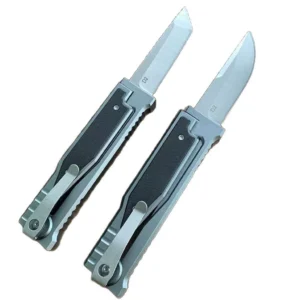
These are designed for daily convenience. They tend to be slim, lightweight, and easy to carry. Many customers choose them for office, home, and general-purpose use.
Traditional pocket knives
Traditional models often use a classic look with nail-nick opening and one or more blades. They appeal to collectors, gift buyers, and users who prefer a simple, familiar design.
Heavy-duty work folders
These knives usually have stronger locks, thicker blades, and grippier handles. They are common in trades, warehouse settings, and outdoor work environments.
Multi-blade pocket knives
Some pocket knives feature more than one blade or tool. These can be useful for customers who want flexibility in a compact format, though they are often less streamlined than single-blade folders.
What buyers should look for
If you are choosing pocket knives for personal use or wholesale resale, the best models are the ones that match the customer’s expectations. A good knife does not need to be complicated, but it should feel dependable.
- Blade steel: Stainless steels are popular because they resist corrosion and are easier to maintain. Higher-performance steels may hold an edge longer, but they can also cost more and require more care.
- Blade length and profile: Shorter blades are often easier to carry, while larger blades may appeal to work users. The shape affects cutting performance and control.
- Handle material: Smooth handles can feel refined, while textured materials improve grip. Buyers should consider comfort, durability, and appearance.
- Locking method: A secure lock matters for confidence during use. Different customers may prefer different lock styles based on feel and familiarity.
- Opening action: Some users want quick one-handed opening, while others prefer a traditional manual knife. Smooth action is a sign of better fit and finish.
- Carry style: Pocket clip placement, weight, and closed size all affect how easy the knife is to carry every day.
For retail and wholesale sourcing, it helps to stock a range of price points. Entry-level pocket knives can move well as impulse buys, while mid-range models often perform better for repeat customers who want better materials and finish.
Why pocket knives stay popular in retail and wholesale
Pocket knives are easy to understand, easy to display, and useful to a wide audience. That makes them strong performers for convenience stores, sporting goods shops, hardware outlets, online marketplaces, and specialty knife resellers. They also work well as add-on items because customers often buy them for specific everyday problems rather than for a complex feature set.
Wholesale buyers often look for products that balance quality and value. A pocket knife with a clean finish, dependable lock, and practical carry design can appeal to both first-time buyers and experienced users. If you are building a broader knife section, a dedicated folding knife wholesale category can help you compare styles and price levels in one place.
Common mistakes to avoid when choosing one
Many buyers focus on appearance first and miss the practical details that affect satisfaction. A knife may look impressive in photos but still disappoint if it is uncomfortable, too heavy, or difficult to open.
- Choosing by looks alone: Style matters, but a knife should also feel solid and usable.
- Ignoring blade steel: Steel choice affects corrosion resistance, edge retention, and maintenance needs.
- Overlooking the lock: A weak or awkward lock can reduce trust in the product.
- Buying the wrong size: A knife that is too large may be left at home; one that is too small may not satisfy practical users.
- Forgetting the audience: A collector, tradesperson, and casual customer will not all want the same pocket knife.
For wholesale purchasing, another common mistake is stocking too many similar models. A better strategy is to offer variety in blade length, handle style, price, and opening method so customers can choose what fits them best.
Safety, storage, and responsible ownership
A pocket knife should be handled responsibly and stored safely. Keep the blade closed when not in use, and make sure it is out of reach of children. When carrying or selling knives, it is also important to follow local rules and verify any age, carry, or possession restrictions that may apply in your area.
General safety habits matter for every user. Open and close the knife carefully, keep the blade clean and dry, and inspect the lock and pivot regularly. If a knife becomes loose or damaged, it should be repaired or replaced rather than used in poor condition.
What a good pocket knife looks like in practice
A good pocket knife is not just a small blade. It is a tool that feels predictable, comfortable, and appropriate for the job. For a home user, that might mean a lightweight folder that opens smoothly and handles packaging without fuss. For a tradesperson, it may mean a tougher knife with a stronger lock and a grip that stays secure with gloves. For a retailer, it may mean a product that is easy to explain, easy to display, and easy to reorder.
That is why pocket knives remain a core category for shops and distributors. They bridge the gap between everyday utility and giftable hardware, and they continue to sell because they solve simple problems well.
FAQ: pocket knife basics
Is a pocket knife the same as a folding knife?
Usually, yes. In everyday use, the terms are often used interchangeably. A pocket knife is a folding knife designed for easy carry and general utility.
What size pocket knife is best?
That depends on the user. Smaller knives are easier to carry discreetly, while larger models may suit work or outdoor tasks better. Buyers should match size to comfort, intended use, and local rules.
Which pocket knife lock is best?
There is no single best lock for everyone. The right choice depends on the user’s preference, how the knife will be used, and the feel they want in hand. A secure, well-made lock is more important than the name of the mechanism alone.
What should wholesale buyers prioritize?
Look for dependable build quality, clear product descriptions, practical carry features, and a balanced assortment of styles. Products that combine value and everyday usefulness tend to perform well across many customer types.
Are pocket knives legal everywhere?
No. Laws vary by location and can change. Buyers and sellers should always verify local and regional rules before carrying, selling, or shipping knives.
In simple terms, a pocket knife is a compact folding tool built for everyday carry and practical cutting tasks. The best models are easy to use, comfortable to carry, and well matched to the customer who buys them. For retailers and wholesale buyers, that makes the pocket knife one of the most flexible and reliable categories to stock.