
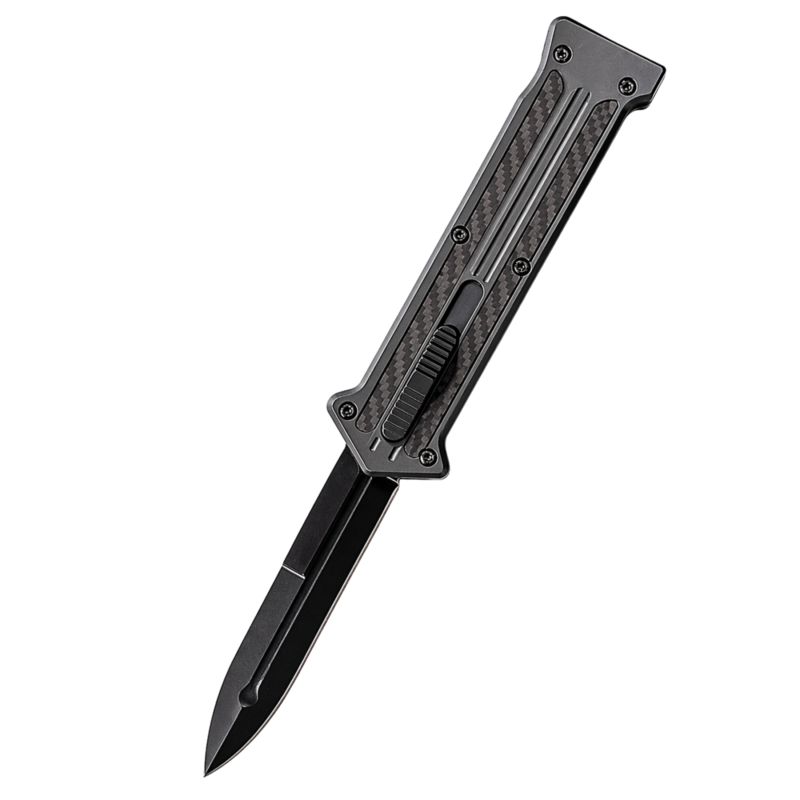
Short answer
Learn what a tactical knife is, how it differs from other knives, what features matter, and how to choose the right option for retail or wholesale buying.
Key Takeaways
- Knife rules can vary by state, city, blade style, opening mechanism, carry method, and intended use.
- Do not treat a product nickname as a legal category; check the actual features and local rule.
- Retailers should keep legal or safety language factual and avoid promising that one item is allowed everywhere.
Terms Used Here
- Automatic knife
- A knife that opens by a spring-driven mechanism after the user activates a button, switch, or slider.
- Pocket knife
- A compact knife intended for pocket carry, often with a folding blade.
- Folding knife
- A knife with a blade that pivots into the handle for storage.
- Fixed blade
- A knife with a blade that does not fold or retract into the handle.
- EDC
- Everyday carry; gear intended for regular daily tasks.
In this article
- 01 What sets a tactical knife apart
- 02 How tactical knives are used in the real world
- 03 Fixed blade or folding tactical knife?
- 04 Fixed blade tactical knives
- 05 Folding tactical knives
- 06 Features buyers should pay attention to
- 07 What not to assume about tactical knives
- 08 How to choose tactical knives for retail or wholesale
- 09 Why tactical knives stay popular
- 10 Practical FAQ
- 11 Is a tactical knife the same as a combat knife?
- 12 Are tactical knives only for professionals?
- 13 What is the best blade shape for a tactical knife?
- 14 Should a tactical knife be fixed blade or folding?
- 15 Can I sell tactical knives in my store?
- 16 What should wholesale buyers look for first?
- 17 The bottom line
A tactical knife is a purpose-built knife designed for dependable performance, fast access, and rugged everyday use in demanding conditions. In simple terms, it is a knife made to be practical, durable, and easy to carry or deploy, often with features that appeal to outdoor users, first responders, security professionals, and buyers who want a tough fixed blade or folding option they can trust.
That definition is broader than many shoppers expect. A tactical knife is not one single shape or size. It may be a compact fixed blade, a folding knife with a strong locking mechanism, or a more specialized model built for utility, preparedness, or field work. What makes it “tactical” is the combination of materials, design, and reliability-focused features.
What sets a tactical knife apart
The main difference between a tactical knife and a standard pocket knife is intent. Tactical knives are usually designed with strength, speed, and versatility in mind. They often feature reinforced construction, grippy handles, corrosion-resistant blades, and carry systems that make them convenient in real-world use.
Common characteristics include:
- Durable blade steel: Often chosen for edge retention, toughness, and resistance to wear.
- Strong handle materials: Textured G10, aluminum, polymer, micarta, or similar materials are common.
- Secure carry options: Sheaths, clips, or mounts designed for reliable access.
- Functional blade profiles: Drop point, tanto, spear point, and clip point are frequent choices.
- Low-maintenance finishes: Coatings or stonewashed finishes can help reduce glare and hide wear.
In practice, a tactical knife is meant to be dependable when conditions are rough, whether that means wet weather, outdoor work, emergency preparedness, or daily carry by someone who values a robust tool.
How tactical knives are used in the real world
Many buyers think of tactical knives as military-style gear, but the category is much wider. Retail customers and wholesale buyers often look for tactical knives because they serve multiple use cases without feeling overly specialized.
Examples of common use cases include:
- Outdoor and camping use: Cutting cordage, preparing kindling, and handling camp tasks.
- Work and utility tasks: Opening packaging, trimming materials, or general job-site needs.
- Emergency preparedness: A reliable blade kept in a vehicle, pack, or home kit.
- Security and professional carry: For users who want a compact, durable tool with secure retention.
- Collecting and display: Some buyers choose tactical-style knives for their design and finish.
Because the category covers so many roles, buyers should focus on how the knife will actually be used rather than choosing based on appearance alone.
Fixed blade or folding tactical knife?
One of the first choices shoppers face is whether to buy a fixed blade or a folding tactical knife. Both can be useful, but they serve slightly different needs.
Fixed blade tactical knives
Fixed blade models are popular for strength and simplicity. With no moving parts in the blade mechanism, they are often easier to clean and can feel more dependable in harsh environments. Many buyers prefer them for outdoor work, emergency kits, and rugged carry. If you want to compare options, the fixed blade knife wholesale category is a practical place to start.
Folding tactical knives
Folding models are usually more compact and easier to pocket carry. They are convenient for everyday users who want a knife that disappears into a pocket or bag. A strong lock is important here, since the lock is part of what gives the knife its working confidence.
For wholesale buyers, both categories can sell well, but the right mix depends on your customers. Outdoor-focused stores may lean toward fixed blades, while general gift, EDC, and convenience buyers may prefer folders.
Features buyers should pay attention to
When evaluating tactical knives for personal use or wholesale purchasing, it helps to look beyond the overall look and focus on practical details.
- Blade steel: Choose a steel that matches the intended use. Tough steels can handle harder work, while corrosion resistance matters for humid or coastal environments.
- Blade thickness and geometry: Thicker blades may be stronger for hard use, while thinner grinds can cut more efficiently.
- Handle ergonomics: A secure, comfortable grip matters more than flashy styling.
- Sheath or clip quality: Carry hardware should hold the knife securely and make it easy to access when needed.
- Overall size: Larger knives can be more capable for heavy tasks, but smaller models are easier to carry and sell to a broader audience.
- Finish and corrosion resistance: Helpful for users who expect exposure to moisture or repeated handling.
For wholesale buyers, these features also influence return rates and customer satisfaction. A knife that looks impressive but feels awkward in hand may not move well at retail.
What not to assume about tactical knives
There are a few common mistakes shoppers make when they first shop this category. Avoiding them can save time and improve sell-through.
- Assuming bigger is always better: A huge blade is not automatically more useful. Many buyers want manageable size and control.
- Choosing style over function: Aggressive styling can attract attention, but grip, steel, and carry matter more.
- Ignoring local rules: Knife laws vary by location. Buyers should verify local regulations before carrying or selling certain knife types.
- Overlooking sheath or lock quality: A strong blade is only part of the package; secure carry is equally important.
- Stocking only one type: A wholesale assortment should usually include a range of sizes, finishes, and carry styles.
Retailers and distributors often get better results when they offer a balanced selection instead of betting on one look or one price point.
How to choose tactical knives for retail or wholesale
If you are buying for a store, marketplace, or distribution channel, the best tactical knife is the one that matches your customer base. A good assortment usually includes entry-level models, mid-range options, and a few higher-value pieces with premium materials or distinctive design features.
Ask these questions before placing an order:
- Who is the typical buyer: outdoor users, collectors, general EDC shoppers, or professional customers?
- Do they prefer fixed blades, folders, or both?
- What price range sells best in your market?
- Is the design easy to photograph and display online?
- Does the product offer enough practical value to reduce complaints and returns?
Wholesale sourcing works best when the product line is consistent in quality and broad enough to meet different customer needs. If you are building a knife category for a retail shelf or online catalog, it can help to review a dedicated assortment such as the fixed blade knife wholesale selection and compare sizes, handle styles, and sheath options side by side.
Why tactical knives stay popular
Tactical knives remain popular because they combine utility with a confident, rugged look. Buyers often want a tool that feels ready for work but still fits into everyday carry or emergency planning. For retailers, that makes the category attractive across multiple customer segments.
Another reason for steady demand is versatility. A single tactical knife can appeal to outdoor enthusiasts, preparedness-minded buyers, and customers who simply want a strong, dependable blade. That broad appeal helps stores and online sellers keep the category moving without needing a highly specialized customer base.
Practical FAQ
Is a tactical knife the same as a combat knife?
Not exactly. The terms can overlap in casual use, but a tactical knife is generally understood as a durable, versatile tool designed for demanding conditions. Buyers should think of it as a practical knife category rather than a single combat-focused design.
Are tactical knives only for professionals?
No. Many tactical knives are bought by everyday users, campers, collectors, and preparedness shoppers. The category is broad enough to suit many types of customers.
What is the best blade shape for a tactical knife?
There is no single best shape. Drop point, tanto, spear point, and clip point designs all have strengths. The best choice depends on the intended use and the buyer’s preference.
Should a tactical knife be fixed blade or folding?
Both can be good choices. Fixed blades usually offer simplicity and strength, while folders are easier to carry discreetly. The right option depends on how the knife will be used and carried.
Can I sell tactical knives in my store?
In many markets, yes, but rules vary by location and product type. Retailers should verify local and platform-specific policies before listing or shipping knives.
What should wholesale buyers look for first?
Start with build quality, consistent supply, customer-friendly pricing, and a design that fits your audience. A knife that looks good and performs well is usually easier to merchandise and resell.
The bottom line
A tactical knife is a rugged, practical knife built for dependable use in demanding situations. It is defined less by one exact shape and more by its durable materials, secure carry, and utility-focused design. For shoppers, that means choosing a knife that matches the task. For wholesale buyers, it means stocking models that balance performance, value, and broad appeal. If you focus on real-world use, quality construction, and the needs of your customers, the tactical knife category can be a strong addition to any knife lineup.