

What Are the Knife Laws in New York?

Short answer
Learn the basics of New York knife laws, including common restrictions on concealed carry, blade types, and lawful ownership. Useful guidance for shoppers, reta
Key Takeaways
- Knife rules can vary by state, city, blade style, opening mechanism, carry method, and intended use.
- Do not treat a product nickname as a legal category; check the actual features and local rule.
- Retailers should keep legal or safety language factual and avoid promising that one item is allowed everywhere.
Terms Used Here
- OTF
- Out-the-front; a knife design where the blade moves forward from the front of the handle.
- Automatic knife
- A knife that opens by a spring-driven mechanism after the user activates a button, switch, or slider.
- Folding knife
- A knife with a blade that pivots into the handle for storage.
- Fixed blade
- A knife with a blade that does not fold or retract into the handle.
In this article
- 01 Understanding the basics of New York knife law
- 02 What types of knives are most often discussed
- 03 Carry, concealment, and intent matter a lot
- 04 Practical examples buyers should think about
- 05 New York City can be stricter than the rest of the state
- 06 What wholesale buyers should look for in inventory
- 07 Common mistakes people make with knife laws in New York
- 08 How to stay on the right side of the rules
- 09 Frequently asked questions
- 10 Are knives legal to own in New York?
- 11 Can I carry a folding knife in New York?
- 12 Are automatic knives allowed in New York?
- 13 Do New York City rules differ from the rest of the state?
- 14 What is the safest knife type for retail and wholesale buyers?
If you’re asking what the knife laws in New York are, the short answer is that legal ownership and carry depend on the knife type, blade length, how it opens, and where you are in the state. New York law can be more restrictive than many buyers expect, especially in New York City, and rules can also change based on local ordinances and how a knife is carried. Before buying, selling, or carrying any knife in New York, it’s smart to verify the current state and local rules so you stay on the safe side.
Understanding the basics of New York knife law
New York does not treat every knife the same way. Some knives are commonly legal to own, while others may raise issues because of blade style, opening mechanism, or intended use. In general, the law focuses heavily on whether a knife is considered a dangerous weapon, whether it is concealed, and whether it is carried in a way that suggests unlawful intent.
For everyday shoppers and wholesale buyers, that means a knife that looks straightforward in one state may be a poor fit for New York retail shelves. Retailers and resellers should pay close attention to product descriptions, packaging, and the customer profile for each model they stock.
What types of knives are most often discussed
When people ask about New York knife laws, they are usually trying to understand how common knife categories are treated. The details matter, but these are the types most often discussed by buyers and sellers:
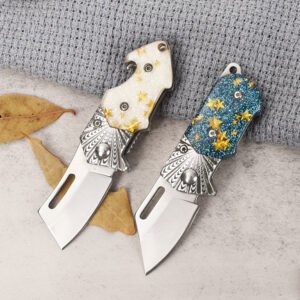
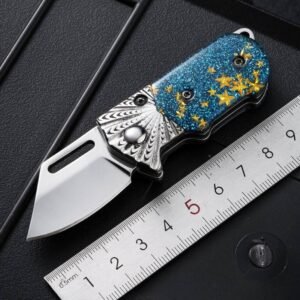
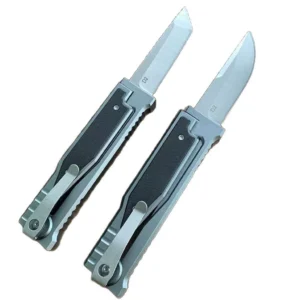
- Folding knives: Usually the most practical choice for everyday lawful ownership, but carry and concealment still matter.
- Fixed blade knives: Often legal to possess, but they can draw more attention if carried openly or concealed without a clear lawful purpose.
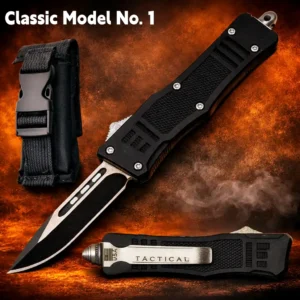
- Automatic knives: These can be more complicated, especially for retailers and online sellers shipping into New York.
- Spring-assisted knives: Often confused with automatics, but they are not always treated the same way. Buyers should not assume they are automatically lawful.
- Gravity knives and similar opening designs: These have historically been a major concern in New York and should be reviewed carefully before purchase or resale.
If you stock a broad knife assortment, it helps to separate clearly lawful everyday carry models from items that may create compliance questions. Many wholesale buyers prefer to focus on products that are easier to explain to retail customers and less likely to create returns or disputes.
Carry, concealment, and intent matter a lot
One of the biggest mistakes people make is assuming that if a knife is legal to own, it is always legal to carry. In New York, carry context matters. A knife carried for a legitimate purpose, such as work, camping, or utility use, may be viewed differently than a knife carried in a concealed way without a clear reason.
Intent can also matter. A knife carried as a tool is not the same thing as a knife carried in a manner that suggests unlawful use. That’s why responsible ownership is important: keep knives for lawful purposes, store them safely, and avoid using them in public in a way that could be misunderstood.
Practical examples buyers should think about
- A contractor carrying a folding utility knife for work may have a different situation than someone carrying the same knife late at night without a clear purpose.
- A collector storing knives at home is in a different position than someone trying to bring a knife into a restricted venue.
- A retailer selling knives online should be careful with product listings, shipping destinations, and age-related policies.
New York City can be stricter than the rest of the state
New York City is often where buyers run into the most problems. City rules, enforcement practices, and local restrictions can be more complicated than state-level rules alone. A knife that may seem acceptable in one part of New York may still create issues in the city, especially if it is concealed or carried without a clear lawful reason.
For this reason, resellers and distributors should not assume a single statewide rule answers every question. If you serve New York City customers, it is wise to review your catalog carefully and make sure your team understands which items are safer to market and which ones may require extra caution.
What wholesale buyers should look for in inventory
For retail store buyers, online resellers, and distributors, the best knife inventory is not just about style and margin. It also needs to be practical for the destination market. In New York, that often means choosing products that are easier to classify, easier to explain, and less likely to be flagged by customers or carriers.
When sourcing knives for New York-facing sales, consider these buyer criteria:
- Clear product classification: Avoid vague descriptions that leave room for confusion about opening style or blade function.
- Everyday utility appeal: Folding utility and outdoor-use models are often easier to position than aggressive-looking designs.
- Consistent packaging and labeling: Good documentation helps your staff answer customer questions accurately.
- Customer education: If a product may have restrictions, your team should know how to communicate that responsibly.
- Low-return risk: Products that cause legal uncertainty can lead to cancellations, complaints, and chargebacks.
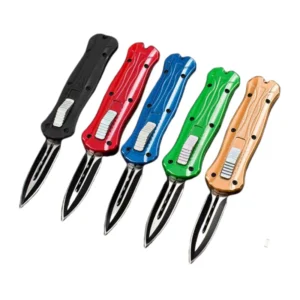
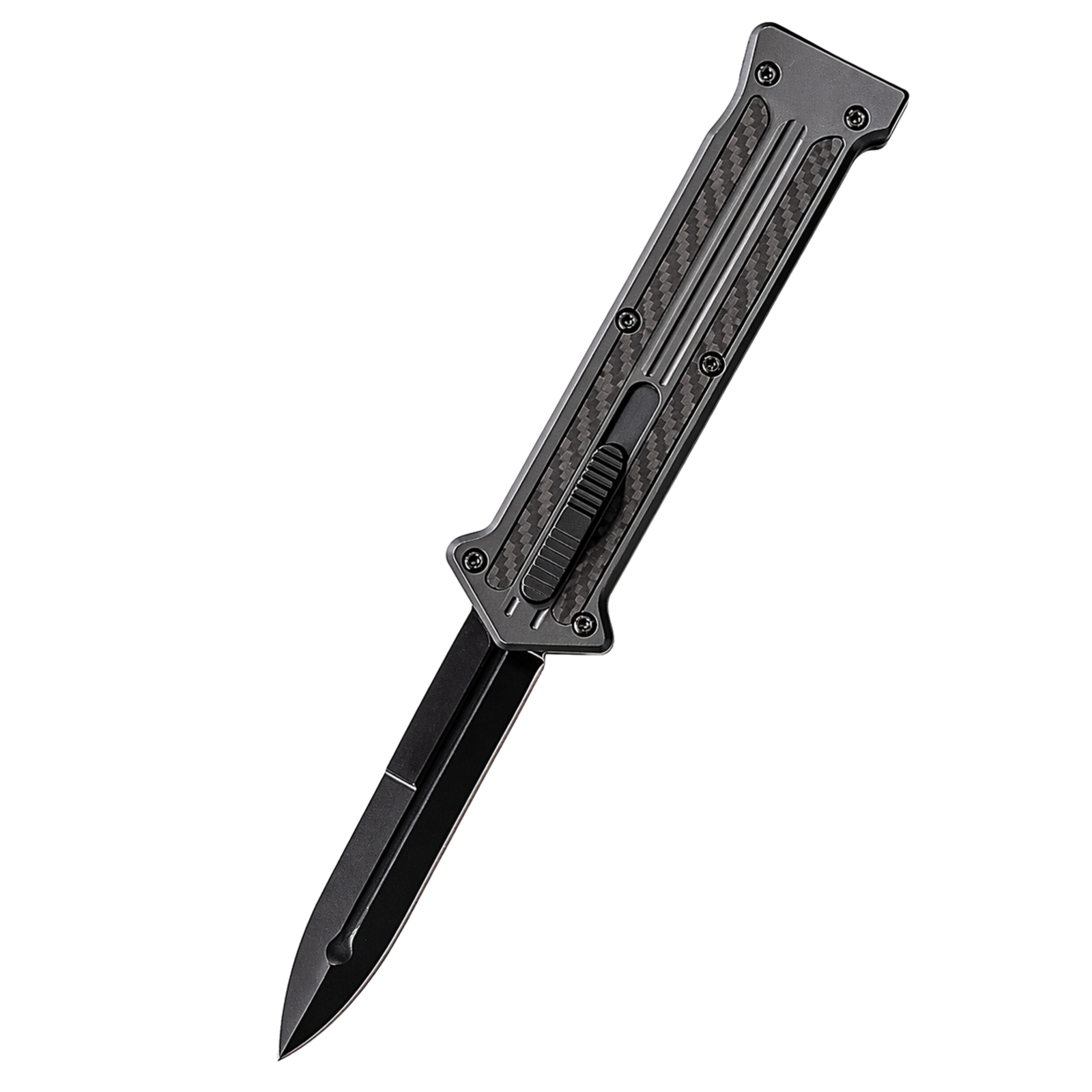
If you are building a compliant wholesale assortment, you can review our OTF and automatic knife wholesale category and compare it against your target market before placing a larger order. For business buyers with questions about product availability or bulk purchasing, the wholesale inquiry form is a simple place to start.
Common mistakes people make with knife laws in New York
Many problems come from assumptions. Here are some of the most common mistakes to avoid:
- Assuming all folding knives are automatically fine. Carry context and intent still matter.
- Confusing spring-assisted knives with automatics. They are not identical in every legal context.
- Ignoring local rules. New York City and other localities may have stricter enforcement or additional restrictions.
- Buying based on appearance alone. A knife that looks harmless or tactical can still raise questions depending on design and carry method.
- Using broad online advice as a substitute for current law. Knife laws can change, and older information may be outdated.
How to stay on the right side of the rules
If you live in New York or sell into the state, the safest approach is to keep your knife choices practical and well documented. Store knives responsibly, transport them carefully, and use them only for lawful purposes. If you are a retailer, make sure your staff knows how to explain product differences without making legal promises.
For wholesale buyers, the best long-term strategy is to source inventory that aligns with your customer base and your shipping regions. That helps reduce compliance issues and makes your business easier to run. When in doubt, verify local rules before buying, carrying, or listing a knife for sale.
Frequently asked questions
Are knives legal to own in New York?
Many knives can be legally owned in New York, but legality depends on the knife type and how it is carried or used. Always check current state and local rules before buying.
Can I carry a folding knife in New York?
Sometimes, but carry restrictions, concealment, and intent matter. A lawful ownership question is not the same as a lawful carry question.
Are automatic knives allowed in New York?
Automatic knives can be more complicated than standard folding knives, especially for resale or public carry. Buyers should verify current rules before stocking or carrying them.
Do New York City rules differ from the rest of the state?
Yes, New York City can be stricter in practice and may involve additional concerns. If you serve city customers, review rules carefully rather than relying on statewide assumptions.
What is the safest knife type for retail and wholesale buyers?
Simple folding utility knives are often easier to explain and manage than more specialized opening mechanisms. Still, every model should be checked against current laws and your target market.
New York knife laws are not one-size-fits-all, and that is exactly why shoppers and business buyers should approach them carefully. If you want products that are easier to stock, sell, and ship with fewer surprises, focus on clear classifications, responsible use, and current legal verification before making purchasing decisions.