

What Is the Legal Knife Length? A Practical Guide for Buyers and Sellers

Short answer
Learn what legal knife length means, why rules vary by location, and what retail buyers, resellers, and wholesalers should check before stocking or carrying kni
Key Takeaways
- Separate carry-on rules, checked-bag rules, airline policy, and destination law before making a decision.
- Use current official guidance for travel questions; product descriptions alone are not enough.
- For resale, clear customer notes reduce confusion around travel, carry, and storage.
Terms Used Here
- OTF
- Out-the-front; a knife design where the blade moves forward from the front of the handle.
- Automatic knife
- A knife that opens by a spring-driven mechanism after the user activates a button, switch, or slider.
- Pocket knife
- A compact knife intended for pocket carry, often with a folding blade.
- Folding knife
- A knife with a blade that pivots into the handle for storage.
- Fixed blade
- A knife with a blade that does not fold or retract into the handle.
In this article
- 01 Why there is no universal legal knife length
- 02 Common ways knife length laws are written
- 03 Blade length limits
- 04 Location-based restrictions
- 05 Type-based restrictions
- 06 How knife length is usually measured
- 07 What buyers should check before purchasing
- 08 Examples of how legal length can affect buying decisions
- 09 Common mistakes people make
- 10 What wholesale buyers should look for
- 11 How to stay on the safe side
- 12 Practical FAQ
- 13 Is there one legal knife length everywhere?
- 14 Does a shorter blade always mean it is legal?
- 15 Are folding knives treated differently from fixed blades?
- 16 Can I sell the same knife in every state?
- 17 What should I do before buying wholesale knife inventory?
If you are asking what the legal knife length is, the honest answer is that there is no single number that applies everywhere. Knife laws vary by country, state, city, and even by the place you are carrying the knife, so the legal length depends on local rules and the type of knife involved. For buyers, resellers, and wholesalers, the safest approach is to verify the rules where the knife will be sold, carried, or used before making a purchase decision.
Why there is no universal legal knife length
Knife length limits are not the same in every jurisdiction because lawmakers treat knives differently based on purpose, blade type, and public safety concerns. A pocket knife that is legal in one city may be restricted in another. Some places focus on blade length only, while others also regulate opening mechanisms, concealed carry, school zones, government buildings, or intent of use.
That is why a knife that seems ordinary to one customer may be treated differently for another. A retailer in one region may be able to stock a broader mix of folding knives, while a distributor in another region may need to avoid certain blade lengths or assisted-opening styles altogether. If you sell online or across state lines, the rules can become even more complicated.
Common ways knife length laws are written
When people ask about legal knife length, they usually mean one of a few common rule types. Understanding these categories helps buyers compare products more carefully.
Blade length limits
Some laws set a maximum blade length for carry or possession in public. This is the most straightforward rule, but it still requires careful reading. The measurement may be taken from the tip to the handle’s cutting edge, and different jurisdictions may define the blade differently.
Location-based restrictions
In many places, the knife itself may be legal, but carrying it in certain areas is not. Schools, government buildings, airports, courthouses, and private businesses often have separate restrictions. A buyer should not assume that a knife legal at home is automatically legal everywhere else.
Type-based restrictions
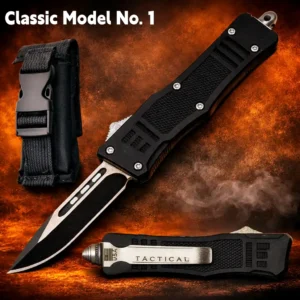
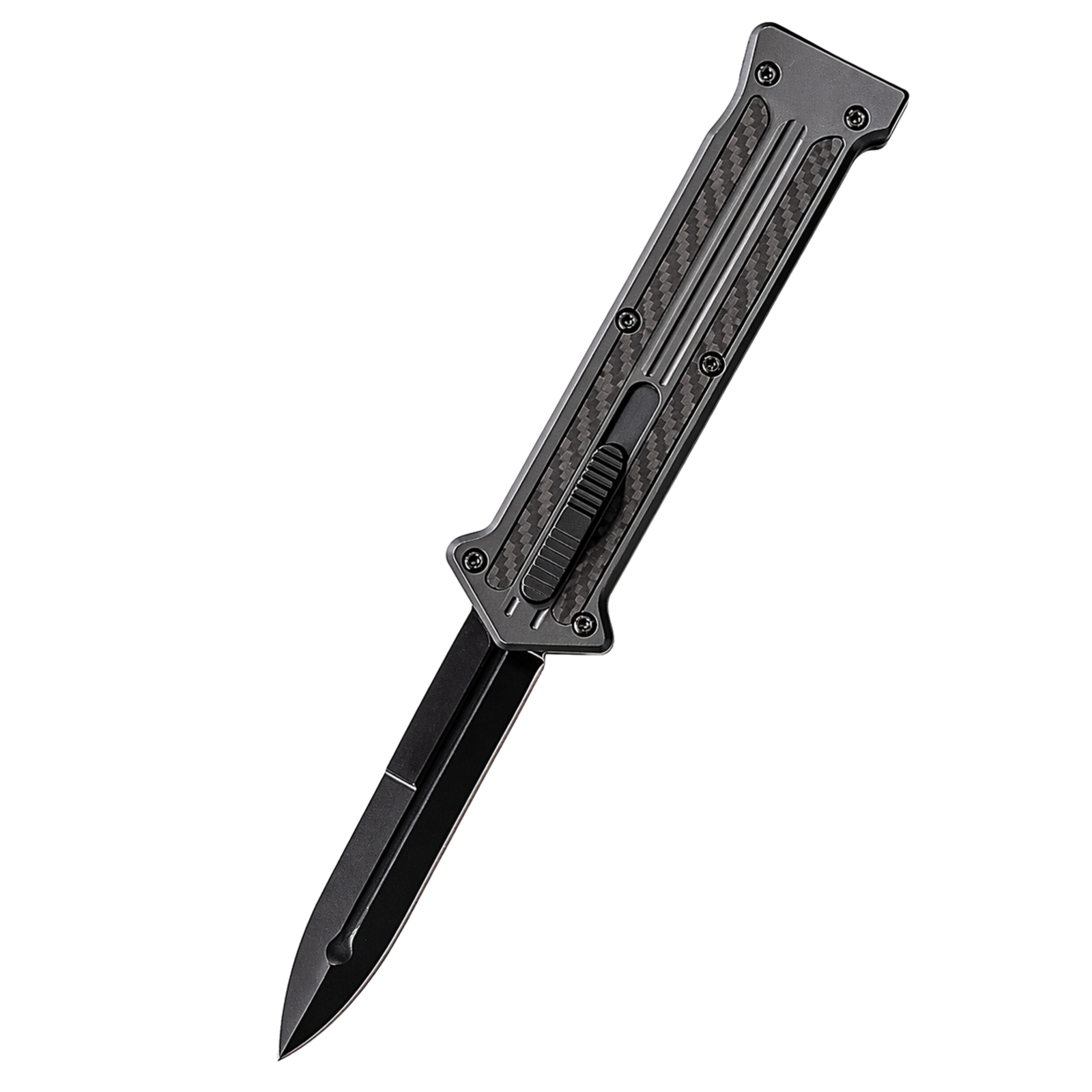
Some laws focus on how the knife opens or what style it is, not just the blade length. For example, automatic knives, gravity knives, or concealed carry knives may face additional limits. That matters for wholesale buyers looking at OTF and automatic knife wholesale options, because the same blade length can be treated very differently depending on the mechanism and local law.
How knife length is usually measured
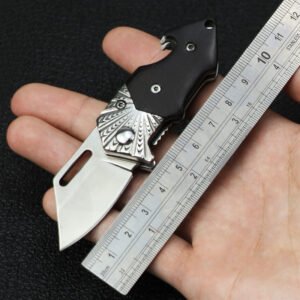
Measurements are not always as simple as they sound. In general, the blade is measured from the tip to the point where the blade meets the handle or guard, but the exact method can vary by jurisdiction. Some laws include only the sharpened portion, while others count the full exposed blade.
For retail and wholesale buyers, this means product descriptions should be checked carefully. A knife marketed as a 3.5-inch blade may not be measured the same way in every legal context. If you are stocking inventory for multiple regions, keep documentation from the manufacturer and confirm any length claims before listing the item for sale.
What buyers should check before purchasing
If you are choosing knives for resale, store shelves, or personal use, the best decision is not just about blade length. It is about matching the product to the place where it will be used or carried.
- Local blade-length rules: Check state, city, and county requirements where the knife will be carried or sold.
- Knife type: Folding, fixed blade, assisted-opening, automatic, and OTF knives may have different treatment under the law.
- Intended use: Everyday carry, work use, outdoor use, and collection purposes may lead to different legal considerations.
- Customer base: If you sell to multiple states or countries, make sure your catalog fits the broadest legal needs of your market.
- Age restrictions: Some jurisdictions limit knife sales by age, especially for certain styles.
- Venue restrictions: Even a legal knife may be prohibited in schools, airports, courthouses, or private venues.
Examples of how legal length can affect buying decisions
Consider a customer who wants a compact everyday carry knife for general utility tasks. In one area, a blade under 3 inches may be the safer choice because it is more likely to fit local carry limits. In another area, a 3.5-inch folding knife may still be acceptable. The buyer’s actual location matters more than a universal rule.
Now think about a hardware store owner or online reseller. If they stock only one blade length, they may limit their audience. If they stock a range of lengths, they may serve more customers, but they also need clearer product labeling and better awareness of local restrictions. Wholesale buyers often use this strategy to balance compliance and customer demand.
For distributors, the issue is even broader. A product line may be legal in one market and unsuitable in another. That is why many buyers ask for detailed specifications, including blade length, opening style, locking mechanism, and intended category, before placing large orders. If you are planning inventory, a wholesale inquiry can be a practical way to discuss product details before committing to stock.
Common mistakes people make
Many knife buyers and sellers run into trouble because they assume the law is simpler than it is. Avoid these common mistakes:
- Assuming blade length is the only rule: Knife type and carry location can matter just as much.
- Using one state’s rule for another state: Laws can change across a border, sometimes significantly.
- Ignoring city ordinances: Local rules may be stricter than state law.
- Trusting product marketing alone: A listing may describe a blade length correctly but still leave out legal details that matter.
- Buying for resale without checking restrictions: Wholesale inventory should be chosen with the end market in mind.
- Forgetting venue-specific rules: Even legal knives may be prohibited in certain locations.
What wholesale buyers should look for
Wholesale buyers need more than a good price. They need products that are easier to place into compliant sales channels and less likely to create customer confusion. When evaluating knife inventory, look for clear specifications, reliable build quality, and consistent blade measurements across batches.
It is also smart to consider how the knife will be presented to retail customers. Clear product pages, accurate dimensions, and straightforward descriptions help reduce returns and misunderstandings. If you sell to different regions, it may make sense to separate products by blade length or knife type so customers can make faster decisions.
For shops that specialize in tactical, EDC, or collector products, automatic and OTF styles may be strong sellers, but they require extra attention to the rules that apply in your market. This is where a focused sourcing relationship can help you choose the right mix of products rather than guessing based on appearance alone.
How to stay on the safe side
The safest approach is simple: verify the law where the knife will be carried, transported, or sold. If you are a consumer, check local statutes and venue policies before carrying any knife. If you are a retailer or distributor, confirm the rules in each jurisdiction you serve and keep product information consistent.
It also helps to buy from suppliers who provide clear specifications and are familiar with wholesale requirements. Accurate blade measurements, product categories, and basic compliance awareness can save time and reduce risk. Responsible ownership includes safe storage, lawful transport, and careful attention to local restrictions.
Practical FAQ
Is there one legal knife length everywhere?
No. Legal knife length depends on the country, state, city, and sometimes the specific location where the knife is carried.
Does a shorter blade always mean it is legal?
Not always. A short blade may still be restricted if the knife type, opening method, or location is regulated.
Are folding knives treated differently from fixed blades?
Often yes. Some laws focus on whether a knife folds, locks, or opens automatically, not just on blade length.
Can I sell the same knife in every state?
Not safely without checking local rules. A knife that is acceptable in one market may be restricted in another.
What should I do before buying wholesale knife inventory?
Review blade length, knife type, target market rules, and any age or venue restrictions that may apply to your customers.
In the end, the legal knife length is less about one universal measurement and more about understanding local law, knife style, and where the knife will be used. For shoppers, that means checking before carrying. For retailers and distributors, it means sourcing with the end market in mind so your inventory is both useful and easier to manage.