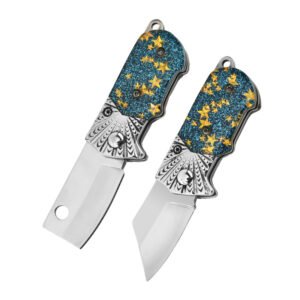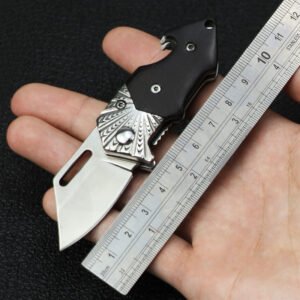


Why is a butterfly knife illegal: Rules and Buyer Notes

Short answer
why is a butterfly knife illegal: clear answers for knife buyers, with practical safety, care, selection, and wholesale sourcing notes.
Key Takeaways
- Knife rules can vary by state, city, blade style, opening mechanism, carry method, and intended use.
- Do not treat a product nickname as a legal category; check the actual features and local rule.
- Retailers should keep legal or safety language factual and avoid promising that one item is allowed everywhere.
Terms Used Here
- OTF
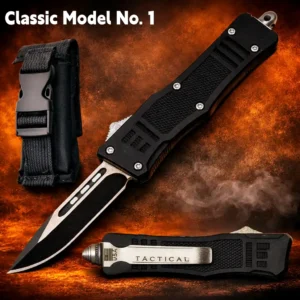
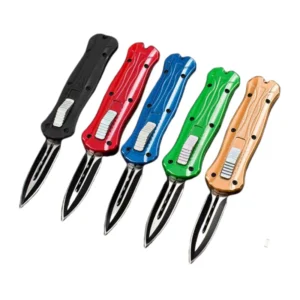
- Out-the-front; a knife design where the blade moves forward from the front of the handle.
- Automatic knife
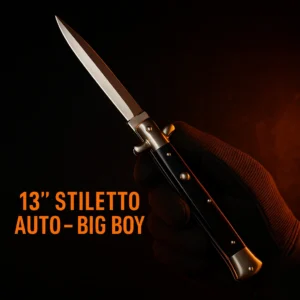
- A knife that opens by a spring-driven mechanism after the user activates a button, switch, or slider.
- Pocket knife
- A compact knife intended for pocket carry, often with a folding blade.
- Fixed blade
- A knife with a blade that does not fold or retract into the handle.
In this article
- 01 What Buyers Should Know
- 02 The Exact SKU Matters
- 03 How Wholesale Buyers Should Handle Legal Topics
- 04 Safe Customer-Facing Language
- 05 Practical Checklist
- 06 Wholesale Sourcing Notes
- 07 How to Choose the Right SKU
- 08 FAQ
- 09 Can a knife be legal to own but risky to carry?
- 10 Should a wholesaler promise that a knife is legal in every state?
- 11 Plain Meaning
- 12 Why It Matters
- 13 What To Check Next
Quick answer: Knife laws depend on the exact knife, blade length, mechanism, carry method, and location. Treat any state-specific answer as general information, not legal advice. Use this as general product information for safer buying, retail planning, and ownership. Knife rules vary by location; check local law before buying, carrying, shipping, or reselling knives.
For California and other state-law topics, buyers should verify the exact SKU before ordering. Automatic knives, butterfly knives, fixed blades, and pocket knives can be treated differently depending on the design and how they are carried or sold.
What Buyers Should Know
For shoppers and wholesale buyers, the goal is to make a safer purchase decision, compare product types clearly, and understand whether a knife fits the intended use case. A useful product guide should be practical, accurate, and honest about limitations.
The Exact SKU Matters
Legal risk often turns on details that are easy to miss in a short product title: blade length, opening mechanism, whether the blade is sharpened, whether the item is a trainer, and how it is carried or sold. A pocket knife, butterfly knife, fixed blade, and automatic knife can fall under different rules even when they look similar to a casual buyer.
How Wholesale Buyers Should Handle Legal Topics
For state-sensitive products, keep a specification record for every SKU. Record blade length, mechanism, edge status, and product type. Avoid using phrases like “legal everywhere” or “California legal” unless the exact SKU has been reviewed for that claim.
Safe Customer-Facing Language
The best wording is factual: describe what the product is, not what the customer is allowed to do with it. If a customer asks about carry or resale rules, direct them to current official sources or legal counsel. That protects both the buyer and the seller.
Practical Checklist
- Record blade length and mechanism for every SKU.
- Separate trainers, display props, and functional knives.
- Do not rely on casual product nicknames such as legal, tactical, or trainer.
- Check state and city rules before shipping or reselling.
- Ask legal counsel before making compliance claims in a store listing.
Wholesale Sourcing Notes
If you are buying for a retail store, online catalog, distributor order, or repeat B2B program, compare models by landed cost, consistency, packaging, reorder stability, and customer support. You can start with the relevant section here: OTF/AUTO knife wholesale category wholesale inquiry form
How to Choose the Right SKU
Ask for exact specifications before you order: blade length, blade steel, handle material, lock or opening mechanism, finish, packaging, MOQ, and lead time. For state-sensitive products, confirm the destination market before shipping or advertising the item.
FAQ
Can a knife be legal to own but risky to carry?
Yes. Ownership, carry, display, sale, and restricted locations can be treated differently.
Should a wholesaler promise that a knife is legal in every state?
No. The safer approach is to provide accurate SKU specs and ask buyers to verify local requirements.
Plain Meaning
Knife law topics are usually location-specific. A useful answer starts with the jurisdiction, then checks blade length, mechanism, carry method, intent, and local exceptions.
A product nickname is not enough. Two knives with similar names can be treated differently if the mechanism, size, or carry situation is different.
Why It Matters
Readers often search these questions before buying, carrying, shipping, or listing products. A neutral explanation reduces misunderstanding without making legal promises.
For sellers and dealers, factual language is safer than broad claims. It keeps the article useful while leaving current legal interpretation to official or local sources.
What To Check Next
- State, city, and local code rather than only a national summary.
- Blade length, opening mechanism, lock type, and carry method.
- Whether the question is about ownership, carry, shipping, display, or use.
- Current official sources when the answer affects real-world action.