




Is It Illegal to Carry a Pocket Knife? What Buyers and Owners Should Know

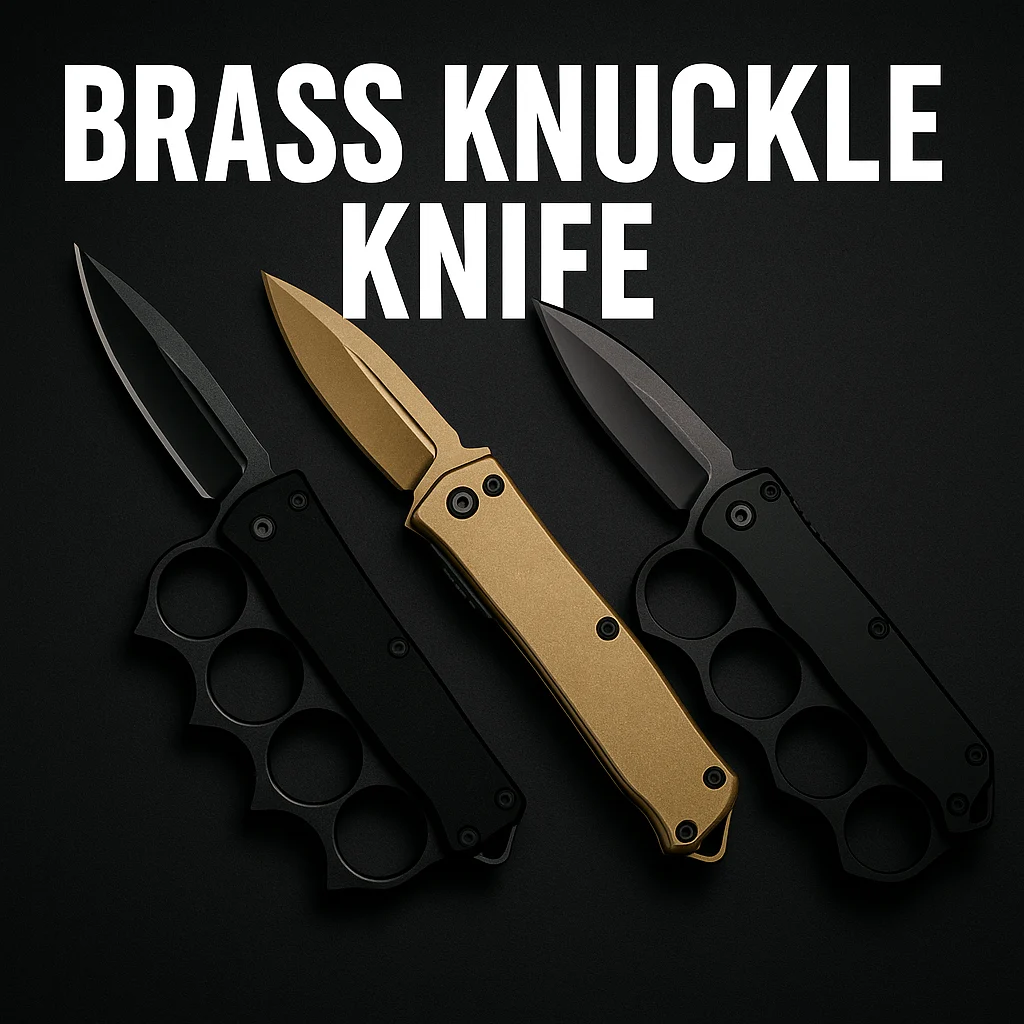
Whether it is illegal to carry a pocket knife depends on where you are, how the knife opens, its blade length, and the reason you are carrying it. In many places a small pocket knife is legal to carry for everyday tasks, but other locations restrict concealed carry, blade style, school zones, government buildings, or knives that open automatically. The safest approach is to check your local and state rules before carrying and to choose a knife that fits the laws where you live or sell.
Why the answer is not the same everywhere
Pocket knife laws are usually a mix of state law, city or county rules, and location-based restrictions. That means a knife may be acceptable in one town and prohibited in another, or legal to own but not legal to carry in certain places. Travelers, retail buyers, and resellers should pay attention to the full picture rather than assuming one rule applies everywhere.
In general, authorities may look at several factors:
- Blade length – Some places set a maximum length for lawful carry.
- Opening mechanism – Manual folders are often treated differently from assisted-opening or automatic knives.
- Concealed vs. open carry – A knife that can be carried openly may still be restricted if concealed.
- Location – Schools, courthouses, airports, and other secure facilities often have special rules.
- Purpose – Carrying for work, utility, or outdoor use may be viewed differently than carrying for self-defense.
What usually makes a pocket knife legal to carry
In many jurisdictions, a simple folding pocket knife with a short blade and a manual opening design is the least likely to create problems. These are commonly used for opening boxes, cutting cord, light work tasks, or outdoor chores. For everyday shoppers, that often means looking for a compact knife that is easy to store, easy to identify as a tool, and not designed to open with a spring or button.
That said, even a basic pocket knife can become an issue if it is carried in the wrong place. A small folding knife may be fine at work or on private property, but still prohibited in a courthouse or school. The legal question is not only what the knife is, but also where and how it is carried.
When a pocket knife can become a legal problem
Some of the most common trouble spots involve knives that are easy to open quickly or that fall into a restricted category under local law. Automatic knives, often called switchblades, are regulated more heavily in many areas. Assisted-opening knives may also be treated differently depending on the jurisdiction. Fixed blades can create separate issues because they are not pocket folders, even if they are small.
People also run into problems when they carry a knife into a place with its own security rules. Airports, government buildings, stadiums, and schools may ban knives entirely. Even if possession is legal in your city, those locations can still refuse entry or contact law enforcement if a knife is discovered.
Another common issue is intent. A knife carried as a tool is generally viewed differently from a knife carried in a way that suggests unlawful use. For this reason, responsible owners should avoid displaying or using a knife in a threatening way and should store it safely when not needed.
Practical examples for everyday buyers
Here are a few simple examples that show why the answer changes by situation:
- A warehouse worker carries a small folding knife for opening cartons. This may be acceptable in many places, but the worker still needs to follow workplace policy and local law.
- A traveler packs a pocket knife in a carry-on bag. Even if the knife is legal at home, airline and airport rules may prohibit it in the cabin.
- A store customer buys an automatic knife because it is compact and convenient. In some states or cities, the knife may be legal to own but not legal to carry, especially concealed.
- A reseller stocks knives for a local market without checking state restrictions. This can lead to returns, complaints, or inventory that cannot be sold the way the buyer expected.
These examples show why buyers should think beyond the product listing. A knife that looks ordinary can still be restricted by blade style, opening method, or destination rules.
What wholesale buyers should check before stocking pocket knives
Retail store buyers and distributors should review more than just price and appearance. Compliance risk can affect sales, shipping, and customer satisfaction. A smart buying decision starts with understanding where the inventory will be sold and who will use it.
Useful buying criteria include:
- Blade length and whether the model fits common carry limits.
- Opening style, especially for automatic or OTF models.
- Local market rules in the states or cities where customers are located.
- Target audience, such as outdoor users, tradespeople, collectors, or general convenience buyers.
- Packaging and labeling that clearly identify the knife type and intended lawful use.
For buyers looking to add automatic models to their catalog, it is wise to review the product mix carefully and confirm that the items match the rules of the markets they serve. You can browse the OTF and automatic knife wholesale category to evaluate styles and compare options for your inventory plan.
If you are sourcing for a retail counter, online shop, or regional distribution channel, it may also help to speak with a supplier about product categories that fit your customers and your compliance process. For bulk purchasing questions, use the wholesale inquiry form to discuss availability and ordering details.
Mistakes to avoid when carrying or selling pocket knives
Many legal problems come from avoidable mistakes rather than the knife itself. A few common ones stand out:
- Assuming every pocket knife is legal everywhere – Laws can change from one jurisdiction to another.
- Ignoring blade-length limits – A knife may be legal in one size and restricted in another.
- Overlooking location rules – Secure facilities often have their own bans.
- Buying inventory without market review – Wholesale buyers should confirm the products fit the destinations they serve.
- Carrying a knife loosely in a bag or vehicle – Storage and accessibility can matter under local law.
Another mistake is relying on advice from a friend or a forum without checking current rules. Knife laws can change, and enforcement can vary. General information is helpful, but it is not a substitute for local legal guidance.
How to carry responsibly
Responsible carry is usually the best choice for both owners and sellers. Keep the knife clean, closed when not in use, and stored safely. Do not bring it into prohibited areas, and do not use it in a way that could alarm others. If you are unsure about a specific location, leave the knife at home or secure it before entering.
For businesses, responsible selling includes clear product descriptions, honest communication about knife types, and a willingness to help buyers understand what they are purchasing. That reduces confusion and helps customers choose the right tool for lawful use.
FAQ: common questions about carrying a pocket knife
Is it illegal to carry a pocket knife in public?
Not always. In many places it is legal, but restrictions may apply based on blade length, opening style, concealed carry rules, and the location where you are carrying it. Always verify local laws.
Are automatic or OTF knives treated differently?
Often yes. Automatic and OTF knives may be more heavily regulated than standard folding pocket knives. Some places allow ownership but limit carry or possession in certain circumstances.
Can I take a pocket knife on a plane?
Usually not in a carry-on bag. Travel rules can be much stricter than everyday carry laws, so check airline and airport regulations before packing any knife.
What should wholesale buyers do before ordering knife inventory?
Review the laws in the states or cities where the products will be sold, confirm the knife type and opening mechanism, and make sure the inventory matches your customer base. When in doubt, choose products that fit the broadest lawful use case in your market.
Does owning a pocket knife mean I can carry it anywhere?
No. Ownership and carry are different questions. A knife that is legal to own may still be restricted in schools, government buildings, airports, or other secure locations.
Bottom line
So, is it illegal to carry a pocket knife? The honest answer is that it depends on where you are, what kind of knife it is, and how you carry it. A small folding knife may be lawful in many everyday situations, but blade length, automatic opening, concealed carry rules, and restricted locations can change the outcome quickly. For shoppers, the safest move is to check local rules before carrying. For retailers and wholesale buyers, the safest move is to stock products that match the markets you serve and to keep compliance in mind before listing or shipping inventory.