

How to Use a Rada Knife Sharpener Safely and Effectively


Short answer
Learn how to use a Rada knife sharpener with simple steps, safety tips, common mistakes, and buying advice for retailers and wholesale buyers.
Key Takeaways
- Knife rules can vary by state, city, blade style, opening mechanism, carry method, and intended use.
- Do not treat a product nickname as a legal category; check the actual features and local rule.
- Retailers should keep legal or safety language factual and avoid promising that one item is allowed everywhere.
Terms Used Here
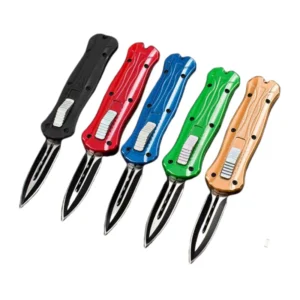
- OTF
- Out-the-front; a knife design where the blade moves forward from the front of the handle.
In this article
- 01 What a Rada knife sharpener is designed to do
- 02 How to use a Rada knife sharpener step by step
- 03 Common mistakes that make sharpening less effective
- 04 How to get the best results from routine use
- 05 What to look for when buying sharpeners for retail or wholesale
- 06 Safety and care tips for everyday users
- 07 Quick FAQ
- 08 How often should I use a Rada knife sharpener?
- 09 Can I sharpen all kitchen knives with it?
- 10 How do you use a Rada knife sharpener without damaging the blade?
- 11 What if the knife is still dull after sharpening?
- 12 Is this a good item for resale?
- 13 Final take
If you want a quick, practical answer: start with a clean, dry knife, place the sharpener on a stable surface, and pull the blade through the sharpening slot in smooth, even strokes without forcing it. Most Rada-style sharpeners are designed to make routine edge touch-ups simple, so the key is light pressure, a consistent angle, and a few careful passes rather than heavy grinding.
What a Rada knife sharpener is designed to do
A Rada knife sharpener is typically used for maintaining everyday kitchen knives, especially when the edge has become dull from normal prep work. It is not meant to replace every sharpening method for every blade, but it can help restore a usable edge for slicing vegetables, trimming meats, and handling general food prep. For shoppers and resellers, this makes it a practical add-on item because customers often want a fast, low-effort way to keep knives working well between deeper sharpenings.
Before using any sharpener, check the knife type. Most straight-edge kitchen knives are suitable for routine sharpening, while serrated blades, specialty blades, and damaged edges may need a different approach. If you are buying for retail shelves or wholesale distribution, it helps to position the sharpener as a home maintenance tool, not a fix for every blade problem.
How to use a Rada knife sharpener step by step
Although specific models can vary, the basic process is similar across many compact kitchen sharpeners.
- Set the sharpener on a stable, dry surface. A cutting board, countertop, or other flat area works best. Keep your hands dry so the unit does not slip.
- Inspect the knife first. Wipe away food residue, grease, or moisture. A dirty blade can make sharpening less effective and less safe.
- Hold the knife by the handle only. Keep fingers away from the edge and path of the blade.
- Draw the blade through the sharpening slot. Use smooth, controlled motion from heel to tip if the design allows it. Do not yank the knife or press hard.
- Repeat a few times as needed. Many knives improve after several light passes. Stop once the edge feels sharper; overworking the blade can shorten its life.
- Test carefully. Use a safe, low-risk check such as slicing paper or a soft ingredient like a tomato. Avoid using your hand to test sharpness.
- Clean and store the knife. Wipe the blade dry and put the sharpener away in a safe location.
If you are teaching customers or store associates how do you use a Rada knife sharpener, the simplest message is: steady pressure, correct direction, and a few controlled passes. That is usually enough for routine upkeep.
Common mistakes that make sharpening less effective
Many users assume more pressure means a sharper knife faster. In reality, forcing the blade through the sharpener can damage the edge or wear the tool prematurely. Another common mistake is trying to sharpen a blade that is already chipped, bent, or badly worn. In those cases, a basic sharpener may not solve the problem.
- Using a dirty blade: Food residue can interfere with the sharpening surface.
- Applying too much force: Light, even passes are usually better than aggressive pressure.
- Sharpening the wrong knife type: Serrated, ceramic, and specialty blades often need different care.
- Ignoring safety: A slipping sharpener or wet counter creates avoidable risk.
- Over-sharpening: Too many passes can remove more metal than necessary.
For wholesale buyers, these are useful talking points because returns often come from misuse rather than product defects. Clear product descriptions and simple usage guidance can reduce confusion for retail customers.
How to get the best results from routine use
The best results usually come from regular maintenance instead of waiting until the knife feels completely dull. A knife that gets light touch-ups every so often is easier to maintain than one that has been neglected for months. Home cooks often notice the difference when slicing onions, tomatoes, herbs, or bread with a straight-edge knife that has been properly maintained.
It also helps to match the tool to the customer’s expectations. A compact sharpener is convenient for kitchens, small stores, gift sets, and everyday resale bundles. Buyers looking for broader product lines may also want to review related knife categories, such as the OTF and auto knife wholesale category, especially if they stock a mix of utility and specialty blades. Just remember that sharpening tools and knife categories serve different purposes, so product education should stay clear and practical.
What to look for when buying sharpeners for retail or wholesale
If you are sourcing sharpeners for a shop, online store, or distributor catalog, focus on the features customers actually care about. A good product listing should explain compatibility, ease of use, and storage convenience. Shoppers rarely want technical jargon; they want to know whether the sharpener is easy to handle, whether it fits common kitchen knives, and whether it is safe for everyday use.
- Simple operation: Easy for first-time users to understand.
- Compact size: Convenient for drawers, kitchen kits, and display racks.
- Clear compatibility: Helps buyers know which knives it can handle.
- Durable construction: Important for repeat use and fewer customer complaints.
- Good packaging: Useful for shelf appeal, gifting, and resale.
Wholesale buyers often benefit from pairing sharpeners with kitchen knife sets or maintenance accessories. If you are building a broader product assortment, you can also send an inquiry through the wholesale inquiry form to discuss stock needs, volume pricing, and category fit.
Safety and care tips for everyday users
Knife sharpening should always be treated as a careful kitchen task. Keep the work area clean, dry, and well lit. Store the sharpener where children cannot reach it. After use, wipe the knife blade and the sharpener according to the manufacturer’s instructions. If the device has worn components or visible damage, replace it rather than continuing to use it.
It is also wise to verify local rules if you are selling or transporting knives and sharpening tools across different regions. General product guidance is helpful, but local requirements can vary. For responsible ownership, customers should use knives only for lawful purposes and keep them stored securely.
Quick FAQ
How often should I use a Rada knife sharpener?
Use it as needed when the knife starts to feel dull. For many household knives, light maintenance every so often works better than waiting for the blade to become very worn.
Can I sharpen all kitchen knives with it?
Not necessarily. Straight-edge kitchen knives are usually the best match, while serrated, ceramic, or specialty blades may need a different tool or professional service.
How do you use a Rada knife sharpener without damaging the blade?
Use a clean knife, light pressure, and smooth passes. Avoid forcing the blade, and stop after a few strokes if the edge already feels improved.
What if the knife is still dull after sharpening?
The blade may need more than routine maintenance. It could be severely worn, chipped, or made from a material that needs another sharpening method.
Is this a good item for resale?
Yes, many retailers and distributors like compact sharpeners because they are practical, easy to explain, and commonly bought alongside kitchen knives and prep tools.
Final take
Learning how to use a Rada knife sharpener is mostly about consistency: clean the knife, place the sharpener securely, use controlled strokes, and avoid overdoing it. For home cooks, that means better cutting performance with less effort. For retailers and wholesale buyers, it means a useful, easy-to-sell accessory that fits well in kitchen, housewares, and knife maintenance assortments. When product details are clear and safety guidance is simple, customers are more likely to buy with confidence and use the sharpener correctly.