

How to Use a Handheld Knife Sharpener


Short answer
Learn how to use a handheld knife sharpener safely and effectively, with simple steps, common mistakes to avoid, and buying tips for shoppers and wholesale buye
In this article
- 01 Start with the right kind of handheld sharpener
- 02 What to look for before sharpening
- 03 How to use a handheld knife sharpener step by step
- 04 Use light pressure, not force
- 05 Mistakes to avoid
- 06 How often should you sharpen?
- 07 Why handheld sharpeners sell well in wholesale assortments
- 08 Safety and storage tips
- 09 FAQ
- 10 How do you know when a handheld sharpener is working?
- 11 Can one handheld sharpener work for every knife?
- 12 Should you sharpen both sides of the blade?
- 13 What if the knife is still dull after sharpening?
- 14 Are handheld sharpeners good for retail bundles?
A handheld knife sharpener works best when you use light, steady pressure and keep the blade moving through the sharpening slots at the angle the tool is designed for. In most cases, you place the sharpener on a stable surface, draw the knife through the coarse slot first if the edge is very dull, then finish with the finer slot for a smoother edge. The goal is not to force the blade but to remove a small amount of metal evenly so the edge becomes clean and usable again.
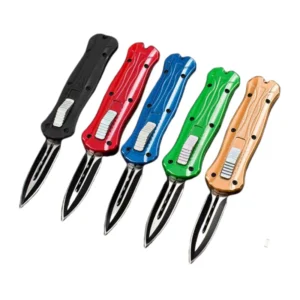
For store buyers, resellers, and distributors, handheld sharpeners are popular because they are compact, easy to demonstrate, and useful for customers who want a simple at-home maintenance tool. They are also a smart add-on item in kitchen, outdoor, and general hardware assortments. If your catalog includes knife accessories, it can help to pair sharpeners with compatible products from your OTF and auto knife wholesale category so customers can maintain the edges on the knives they already own.
Start with the right kind of handheld sharpener
Not every handheld sharpener works the same way. Some use carbide or ceramic slots, while others combine coarse and fine stages. A few models are designed for straight-edge kitchen knives, while others are better suited to pocket knives and outdoor blades. Before you use one, check the packaging or product description to confirm the sharpener is intended for the blade type you are maintaining.
That matters for buyers as well. A retail customer may want a compact, low-cost option for home use, while a wholesale buyer might prefer models with durable handles, non-slip bases, and clearly labeled sharpening stages. Products that feel stable and intuitive tend to generate fewer returns and better customer satisfaction.
What to look for before sharpening
- Blade type: Straight-edge knives are usually the easiest to maintain with handheld sharpeners.
- Sharpening stages: Coarse slots remove more material; fine slots refine the edge.
- Grip and stability: A non-slip base or ergonomic handle helps prevent slipping.
- Angle guidance: Some sharpeners have preset angles that make the process easier for beginners.
- Build quality: Strong housings and replaceable abrasive parts are useful for high-volume buyers.
How to use a handheld knife sharpener step by step
If you are wondering how do you use a handheld knife sharpener, the process is usually straightforward. Always read the manufacturer’s instructions first, because designs vary. The steps below describe the common approach for most handheld models.
- Place the sharpener on a stable surface. Set it on a dry countertop or workbench so it does not move while you sharpen.
- Hold the handle firmly. Keep your non-dominant hand away from the blade path and maintain a secure grip.
- Use the correct slot. Begin with the coarse stage only if the edge is dull or uneven. If the blade only needs touch-up work, the fine stage may be enough.
- Pull the blade through smoothly. Draw the knife through from heel to tip in one steady motion. Avoid sawing back and forth inside the slot.
- Repeat evenly. Use consistent pressure and the same number of passes on each side of the blade if the sharpener requires alternating sides.
- Finish with the fine stage. This helps smooth the edge and improve cutting performance.
- Wipe the blade clean. Remove metal dust or residue before storing or using the knife.
For many household knives, just a few gentle passes are enough. If the knife is severely damaged, chipped, or bent, a handheld sharpener may not be the right tool. In those cases, a more advanced sharpening method or professional service may be a better choice.
Use light pressure, not force
One of the most common mistakes is pressing too hard. A handheld sharpener is designed to guide the blade at a set angle, so extra force usually does not make the knife sharper faster. Instead, it can wear the edge unevenly or shorten the life of the blade. Smooth, controlled strokes are more effective and safer.
Another common issue is rushing the process. When people try to sharpen too quickly, they may pull the blade at an awkward angle or skip the finishing stage. That can leave the knife feeling sharp for one or two cuts, then dulling again quickly. A few careful passes are usually better than aggressive sharpening.
Mistakes to avoid
- Using the sharpener on a wet, unstable, or cluttered surface
- Forcing the blade through the slot
- Skipping the fine stage after coarse sharpening
- Using the tool on serrated blades unless the product specifically allows it
- Ignoring the manufacturer’s angle guidance
- Storing the sharpener where grit, dust, or moisture can damage it
How often should you sharpen?
How often you use a handheld sharpener depends on the knife, how often it is used, and what it cuts. Kitchen knives used daily may need light maintenance every few weeks, while pocket knives or display knives may only need occasional touch-ups. A better approach is to sharpen when the knife starts to slip on food, snag on material, or require extra pressure to cut cleanly.
For wholesale buyers and store owners, it helps to explain the difference between sharpening and routine maintenance. Many customers think a knife is “bad” when it simply needs a quick touch-up. A clear product description or shelf sign can reduce confusion and increase confidence in the purchase.
Why handheld sharpeners sell well in wholesale assortments
Handheld sharpeners are practical, low-profile products that fit many channels: kitchen supply, sporting goods, outdoor retail, convenience stores, and general gift items. They are compact enough for easy shipping and often affordable enough to work as impulse purchases or bundle add-ons. For resellers, this makes them useful for cross-selling with knives, storage cases, and maintenance accessories.
If you are building a broader knife accessory lineup, it can be useful to source products that are easy to explain and easy to demonstrate. Customers often choose the sharpener that feels simplest, especially if it includes clear labels, a comfortable grip, and visible results after a few passes. For business buyers, that combination can support repeat sales and fewer support questions. If you are comparing supply options, you can also send a wholesale inquiry to discuss product availability and ordering needs.
Safety and storage tips
Even though handheld sharpeners are simple tools, safe handling still matters. Keep fingers clear of the blade path, work on a stable surface, and store the sharpener out of reach of children. After use, wipe away any metal filings and keep the tool dry. If the unit has abrasive parts, avoid dropping it or exposing it to heavy moisture, which can reduce performance over time.
For customers in different regions, general rules around knife ownership and use can vary. If you are selling or buying knives and accessories across multiple markets, it is wise to verify local laws and store policies before stocking or carrying any blade-related product. A responsible product presentation should always focus on lawful use, safe storage, and proper maintenance.
FAQ
How do you know when a handheld sharpener is working?
You should notice the knife cutting more cleanly with less pressure. A properly sharpened blade will usually glide through paper, produce cleaner food cuts, or feel less resistant in normal use.
Can one handheld sharpener work for every knife?
No. Many are designed for straight-edge knives only, and some are better for kitchen blades than outdoor or pocket knives. Always check compatibility before use.
Should you sharpen both sides of the blade?
Most sharpening tools are designed to treat both sides evenly, but the exact method depends on the sharpener. Follow the product instructions so the edge stays balanced.
What if the knife is still dull after sharpening?
If the blade remains dull, it may need more passes, a different grit stage, or a professional sharpening method. Severe chips or bent edges often need more than a handheld tool can provide.
Are handheld sharpeners good for retail bundles?
Yes. They are easy to merchandise alongside knives and accessories, and they help customers maintain the products they buy. For stores and distributors, that makes them a practical add-on item with broad appeal.
Used correctly, a handheld knife sharpener is one of the simplest ways to keep everyday blades performing well. Choose a model that matches the knife type, use light pressure, finish with care, and store it properly. That approach works for home users and also gives retailers and wholesale buyers a dependable, easy-to-explain product that fits many assortments.