

What Is a Bolster on a Knife?

Short answer
Learn what a bolster on a knife is, how it affects balance and safety, the main types, and what buyers should look for when sourcing knives wholesale.
In this article
- 01 What a bolster actually does
- 02 Where the bolster is located
- 03 Common bolster styles buyers should know
- 04 Full bolster
- 05 Partial bolster
- 06 Integral bolster
- 07 No bolster
- 08 How a bolster changes the feel of a knife
- 09 Bolster vs. guard: not the same thing
- 10 What buyers should look for in a good bolster
- 11 Common mistakes people make when evaluating bolsters
- 12 How bolsters affect wholesale buying decisions
- 13 Care and cleaning around the bolster
- 14 Practical FAQ
- 15 Is a bolster necessary on a knife?
- 16 Does a bolster make a knife safer?
- 17 Do bolsters make knives harder to sharpen?
- 18 Which buyers usually prefer bolstered knives?
- 19 How do I choose the right bolster style for my store?
- 20 Choosing inventory with confidence
A bolster is the thickened section of metal or another material between a knife’s blade and handle. In simple terms, it helps connect the blade to the handle, can improve balance, and may add strength, comfort, and finger protection depending on the knife’s design. If you have ever held a knife that feels more secure in the hand or noticed a heavier transition area near the handle, that is often the bolster doing its job.
For shoppers, store buyers, and wholesale customers, understanding the bolster helps you compare knife quality more accurately. Two knives may look similar at first glance, but the presence, shape, and construction of the bolster can change how the knife feels, how it wears over time, and how it fits your customers’ preferences.
What a bolster actually does
A bolster is not just a decorative feature. On many knives, it serves several practical purposes at once:
- Strengthens the transition between blade and handle
- Improves balance by adding weight near the center of the knife
- Offers a comfortable grip where the fingers naturally rest
- Can help protect the hand by creating a small barrier near the blade
- Adds visual appeal in premium or traditional knife styles
On fixed-blade knives, kitchen knives, and some folding knives, the bolster can be a visible sign of construction style and intended use. On other knives, especially lightweight or modern designs, the bolster may be minimal or absent entirely.
Where the bolster is located
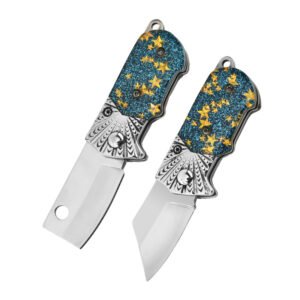
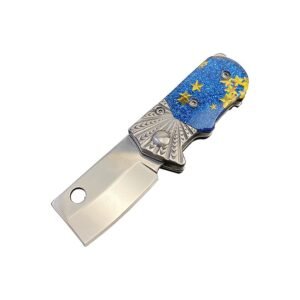
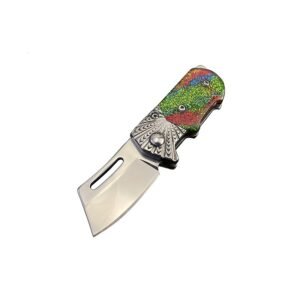
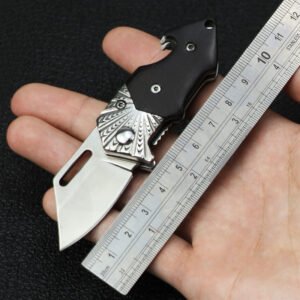
The bolster is usually found at the junction where the blade meets the handle. In many traditional kitchen knives, it appears as a solid metal block near the heel of the blade. On folding knives, the bolster may be part of the frame or a reinforced section around the pivot area.
Not every knife uses the term in the same way, so it helps to look closely at the design. Some knives have a full bolster that extends along the front of the handle, while others have only a partial bolster or a decorative end cap. For buyers evaluating inventory, that difference can affect both price point and customer appeal.
Common bolster styles buyers should know
Full bolster
A full bolster extends across the front of the handle and often includes a substantial amount of material near the blade. This style is common on many chef’s knives and traditional kitchen knives. It can make the knife feel more stable and substantial, though it may also add weight.
Partial bolster
A partial bolster covers only part of the transition area. This design keeps some of the stability benefits while reducing weight and sometimes improving sharpening access near the heel of the blade. Many buyers like partial bolsters because they offer a good balance of control and ease of maintenance.
Integral bolster
An integral bolster is formed from the same piece of metal as the blade or frame, rather than being attached separately. This type is often associated with higher-end manufacturing and can create a seamless look. It may also improve durability at the joint, depending on the construction.
No bolster
Some knives have no bolster at all. This is common on lightweight utility knives, many modern tactical designs, and budget-friendly models where simplicity and reduced weight matter more than added reinforcement.
How a bolster changes the feel of a knife
When customers pick up a knife, the bolster is one of the details that influences first impressions. A heavier bolster can shift the balance toward the handle, which some users prefer for control and stability. A lighter or absent bolster may make the knife feel faster and easier to maneuver.
That difference matters in retail settings and wholesale assortments. For example, a chef knife with a pronounced bolster may appeal to buyers who value traditional craftsmanship and a solid hand feel. A slim folding knife without a bolster may be better suited to customers looking for a lighter everyday carry option.
The right choice depends on how the knife will be used, how it is positioned in your catalog, and what your customers expect from the product category.
Bolster vs. guard: not the same thing
People sometimes confuse a bolster with a guard. A guard is typically designed to prevent the hand from sliding forward onto the blade, and it is often more prominent on fixed-blade outdoor or utility knives. A bolster, by contrast, is the reinforced transition area between blade and handle and may or may not provide noticeable hand protection.
On some knives, the two features can overlap in appearance. The key difference is function: the bolster supports the structure and balance of the knife, while a guard is primarily focused on hand safety and retention.
What buyers should look for in a good bolster
If you are sourcing knives for resale or wholesale distribution, the bolster should be evaluated alongside the blade steel, handle material, and overall fit and finish. Here are practical points to check:
- Clean fit: Look for smooth transitions with no gaps, rough edges, or visible misalignment.
- Comfort: The bolster should not create hot spots or sharp edges where fingers rest.
- Balance: Hold the knife to see whether the weight feels appropriate for the style.
- Maintenance: Consider whether the bolster design makes sharpening or cleaning more difficult.
- Durability: Examine how the bolster is attached or integrated into the knife.
For wholesale buyers, consistency is especially important. A well-made bolster should look and feel the same across the batch. If you are ordering knives for a retail display or online store, variations in bolster finish can affect customer satisfaction and return rates.
Common mistakes people make when evaluating bolsters
One common mistake is assuming a bigger bolster always means a better knife. That is not necessarily true. A large bolster can improve stability, but it can also add unnecessary weight or make sharpening more difficult.
Another mistake is focusing only on appearance. A polished bolster may look premium, but if the fit is poor or the knife feels awkward in hand, the product may not perform well for your customers.
It is also a mistake to ignore the intended use. A kitchen knife, a pocket knife, and a fixed-blade outdoor knife do not need the same bolster design. Buyers should match the feature to the category instead of treating it as a universal quality marker.
How bolsters affect wholesale buying decisions
In wholesale knife sourcing, details like the bolster help define the product tier. Knives with forged bolsters or integral construction may sit in a more premium bracket, while bolster-free models may work better for value-oriented programs or lightweight utility lines.
If you are building a mixed assortment, consider offering both styles. Traditional customers may prefer the security and feel of a bolster, while other buyers want a slimmer profile and easier maintenance. Balancing both options can broaden your audience and help you stock for different price points.
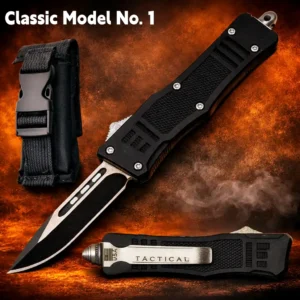
For buyers looking at OTF and automatic knife categories, the same general principle applies: construction details influence handling, durability, and customer appeal. If you are comparing styles across your assortment, browse the OTF and automatic knife wholesale category to see how different designs are positioned.
Care and cleaning around the bolster
The bolster area can collect moisture, oil, and debris, especially on kitchen knives and frequently handled tools. Wipe it clean after use and dry it thoroughly before storage. On knives with tight seams or decorative transitions, pay attention to buildup around the junction where the blade meets the handle.
For stainless and high-carbon knives alike, regular cleaning helps preserve the finish. If the knife is used in a food-prep environment, follow standard hygiene practices and avoid leaving residue near the bolster. For folding knives, keep the pivot and surrounding area clean so the knife opens and closes smoothly.
Practical FAQ
Is a bolster necessary on a knife?
No. Some knives perform very well without one. A bolster is helpful in certain designs, but it is not required for every knife.
Does a bolster make a knife safer?
It can improve hand placement and add a sense of control, but safety depends on the full design, proper handling, and responsible use. A bolster is only one part of the overall picture.
Do bolsters make knives harder to sharpen?
They can, especially full bolsters that extend to the heel of the blade. Some users prefer partial bolsters for easier edge maintenance.
Which buyers usually prefer bolstered knives?
Customers who like traditional styling, balanced feel, and a solid grip often prefer bolstered knives. They are also common in premium kitchen collections.
How do I choose the right bolster style for my store?
Think about your audience, price range, and product category. If you want a classic look and heavier hand feel, a bolstered knife may be a strong fit. If you want lighter weight and simpler maintenance, a knife without a bolster may be better.
Choosing inventory with confidence
When you understand what a bolster on a knife is, it becomes easier to compare products on more than just price. The best choice depends on how the knife feels, how it is built, and what your customers expect from it. For wholesale buyers, that means looking closely at construction details and selecting the styles that fit your market.
If you are sourcing for retail shelves, online listings, or distributor programs, it helps to work with a supplier that offers clear product variety and consistent quality. You can also send a wholesale inquiry here if you are planning a larger order or want help matching products to your customer base.
In the end, the bolster is a small part of the knife, but it can make a noticeable difference in comfort, balance, and presentation. That is why it deserves attention from both everyday buyers and wholesale professionals.