




Can You Take a Pocket Knife on an Airplane? What Travelers and Buyers Should Know

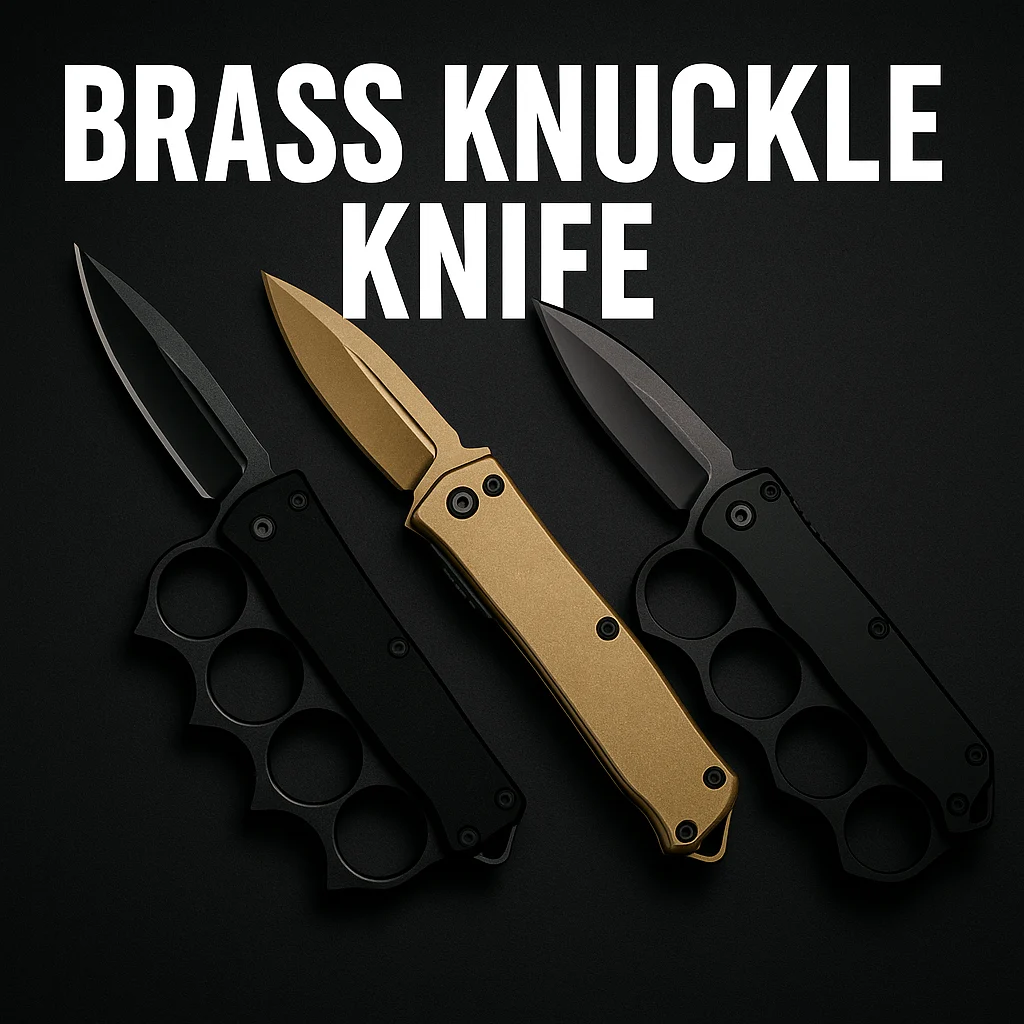
The short answer is no: in most cases, you cannot take a pocket knife in your carry-on bag on an airplane. Security rules generally require knives of any kind, including folding pocket knives, to go in checked baggage if they are allowed at all. If you travel with knives for work, collection, retail, or outdoor use, the safest approach is to check the latest airline and airport rules before you fly and pack the knife properly.
Because knife policies can vary by country, airport, and carrier, it is smart to treat this as general guidance rather than a legal guarantee. A small folding knife that seems harmless at home may still be stopped at security if it is in your carry-on. For shoppers, store owners, and wholesale buyers, that matters when choosing products that customers may want for everyday carry, travel, or gifting.
What happens if you bring a pocket knife to airport security?
At most airports, screening officers will not allow a pocket knife through the checkpoint in a carry-on bag. If it is discovered during screening, you may be asked to return it to your car, mail it, surrender it, or place it in checked luggage if time allows and the airport permits it. The exact outcome depends on local procedures, but the result is usually the same: it will not come with you into the cabin.
It is easy to assume that a tiny folding knife, multi-tool blade, or keychain knife might be overlooked, but that is a common mistake. Security checks are designed to catch these items, and even a small blade can delay your trip. Travelers should remember that “pocket knife” includes many styles, from simple slip-joints to assisted-opening folders and compact utility knives.
Carry-on vs. checked baggage: the practical difference
If you need to travel with a knife, checked baggage is usually the more appropriate place for it. That said, you still need to consider local laws, airline policies, and destination rules. A knife that is acceptable in one place may be restricted in another, especially when crossing borders.
Carry-on bag
- Usually not permitted for pocket knives or any blade-bearing folding knife
- May be flagged even if the blade is short
- Can lead to delays, confiscation, or missed flights
Checked baggage
- Generally the preferred option for traveling with allowed knives
- Should be packed so the blade cannot open accidentally
- Best paired with a sheath, protective wrap, or secure case
If you are a reseller or retailer advising customers, this is a useful distinction to explain at the counter. Many buyers do not realize that a knife they can legally own and sell may still be disallowed in a cabin bag.
How to pack a pocket knife safely for travel
When a knife is permitted in checked luggage, the goal is simple: prevent accidental opening and protect both the blade and the rest of your gear. Good packing also reduces the chance of damage if the bag is handled roughly.
- Close the knife fully. Make sure the blade locks or rests securely in the closed position.
- Use a sheath or protective cover. This helps keep the blade from cutting through fabric or injuring someone who handles the bag.
- Wrap it separately. Place the knife in a pouch, hard case, or padded compartment away from loose items.
- Keep it accessible for inspection if needed. Do not bury it under sharp tools, batteries, or other restricted items.
- Check destination rules before departure. Some places have stricter import or possession rules than your departure airport.
For business buyers, packaging quality matters beyond travel. A well-made folding knife with a secure lock, smooth hinge, and protective packaging is easier for customers to store, transport, and use responsibly. If you are sourcing inventory, browse the folding knife wholesale category for styles that fit retail and resale needs.
What types of knives cause the most trouble at airports?
Not all blade-bearing items look the same, but many are treated similarly at security. The most common problem items include traditional pocket knives, tactical folders, utility knives with replaceable blades, multi-tools with blades, and compact EDC knives. Even if the blade is very short, the presence of a cutting edge can be enough to trigger a refusal in carry-on screening.
Some travelers are surprised by items that seem harmless, such as small keychain tools or promotional knives. A buyer choosing inventory should keep in mind that products marketed as compact or everyday carry can still create travel issues for end users. That does not make them bad products; it just means the use case should be clear.
Buyer criteria that matter for travel-minded customers
- Blade size and local restrictions: Smaller does not always mean travel-safe.
- Locking mechanism: A secure lock is useful for safe ownership and storage.
- Open/close action: Smooth folding action can improve user experience, but it does not change airport rules.
- Packaging: Retail-ready packaging helps customers store the knife responsibly.
- Intended use: EDC, camping, utility work, and collection buyers may want different features.
Common mistakes travelers make
Many airport problems happen because people assume the rules are obvious. In reality, the most frequent mistakes are simple and avoidable.
- Leaving the knife in a jacket pocket and forgetting it before security
- Putting the knife in a carry-on “just in case” without checking the rules
- Assuming a tiny blade is exempt because it is small
- Traveling internationally without checking destination laws
- Storing the knife loosely in checked luggage where it could open or shift
Retailers and distributors can help reduce customer frustration by including simple care and travel guidance with product descriptions or packaging inserts. That kind of support builds trust and can reduce returns from buyers who expected airport-friendly carry options.
Can you take a pocket knife on an airplane if you are flying for work?
Sometimes business travelers assume work purposes create an exception, but that is not something to count on. If you carry tools for field work, outdoor jobs, or demonstrations, the safest route is still to pack knives in checked baggage when allowed and verify the rules for each trip. If your work requires a knife at the destination, plan ahead rather than trying to bring it through security.
For B2B customers, this is one reason folding knives remain a strong wholesale category: they serve many practical uses, but buyers still need clear information about lawful transport and storage. A well-selected product line can appeal to retail customers while staying easy to explain to staff and end users.
FAQ
Can you take a pocket knife on an airplane in your carry-on?
In most cases, no. Pocket knives are generally not allowed in carry-on bags and should be packed in checked luggage if they are permitted by the airline and destination rules.
Can a small folding knife be taken through airport security?
Usually not. Even a small folding knife can be stopped during screening if it is in a carry-on bag. Size alone is not a reliable exception.
What if I forgot my knife is in my bag?
If security finds it, you may need to dispose of it, return it to your vehicle, or place it in checked baggage if possible and allowed. Outcomes vary by airport.
Are pocket knives allowed in checked baggage?
Often yes, but you should still check airline and local regulations. Pack the knife securely so it cannot open or damage other items.
What should retailers tell customers about travel?
Retailers should avoid making blanket promises about airport legality. A simple note that knives are typically not allowed in carry-on bags and that customers should verify local rules is usually the safest approach.
Is a folding knife a good wholesale item for general customers?
Yes, folding knives are popular with outdoor users, tradespeople, collectors, and everyday carry customers. The key is offering reliable construction, clear labeling, and products that fit the intended market.
Bottom line for travelers and buyers
If you are wondering whether you can take a pocket knife on an airplane, the most practical answer is to keep it out of your carry-on and verify the rules before you travel. For most people, that means packing it in checked baggage only when permitted and storing it securely. For retailers and wholesale buyers, it means choosing folding knives that are well-made, clearly described, and easy for customers to own responsibly.
When you stock products with good lockup, durable materials, and sensible packaging, you help reduce confusion at the point of sale and after purchase. That is good for customers, and it is good for business too.