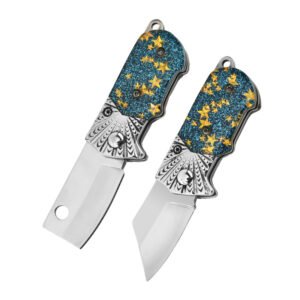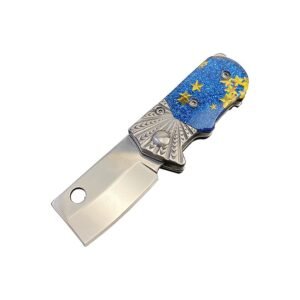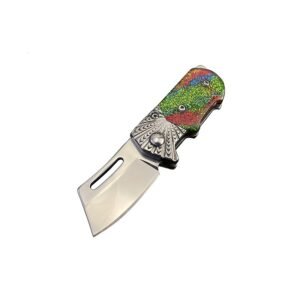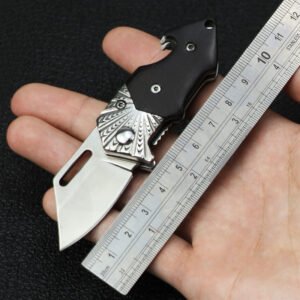


How Does a Flick Knife Work?

Short answer
Learn how a flick knife works, what makes it open fast, the main design types, safety considerations, and what wholesale buyers should look for.
In this article
- 01 What happens inside a flick knife
- 02 Different opening styles and how they feel
- 03 Side-opening automatic knives
- 04 Out-the-front knives
- 05 Spring-assisted folders
- 06 Why the mechanism matters to buyers
- 07 What to look for in a quality flick knife
- 08 Common mistakes people make when choosing one
- 09 Safety, storage, and responsible ownership
- 10 How wholesale buyers can evaluate inventory
- 11 Practical FAQ
- 12 Is a flick knife the same as an automatic knife?
- 13 What makes the blade open so quickly?
- 14 Why do some models feel stronger than others?
- 15 What should store buyers ask before placing an order?
- 16 Can these knives be carried everywhere?
- 17 The bottom line
A flick knife works by using a spring-assisted or automatic opening mechanism that lets the blade move from closed to open with a quick push, switch, or button release. In simple terms, the handle stores the blade safely until a trigger or opening action releases tension and the blade snaps into the open position. The exact design varies, but the basic idea is always the same: controlled deployment, a locking open position, and a compact closed form for carrying or storage.
What happens inside a flick knife
Most people notice the fast opening action first, but the real story is inside the handle. A flick knife typically contains a blade, a pivot point, a spring or tension system, and a lock that holds the blade in place when open. When the activation mechanism is engaged, the spring or preloaded tension moves the blade outward. Once the blade reaches full extension, a lock catches it so it stays open until released.
Depending on the style, the opening action may feel crisp, forceful, or smooth. Some models use a thumb stud or flipper-style push to start the blade moving, while others use a button or switch that releases the blade more directly. Buyers often use “flick knife” as a general phrase, but in the market it can refer to different opening systems, including automatic and out-the-front styles.
Different opening styles and how they feel
Not every fast-opening knife works the same way. Understanding the difference helps retailers and wholesale buyers choose the right product mix for their customers.
Side-opening automatic knives
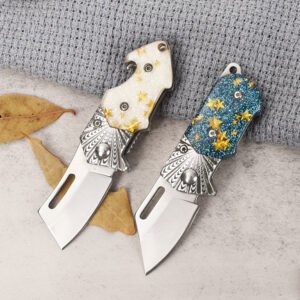
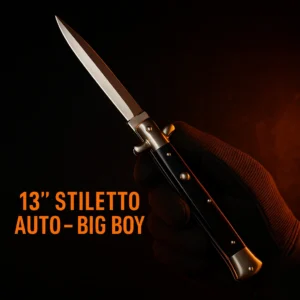
These open from the side on a pivot, similar to a traditional folding knife, but with an assisted or automatic release. The blade swings out and locks into place. They are often valued for a familiar profile and straightforward construction.
Out-the-front knives
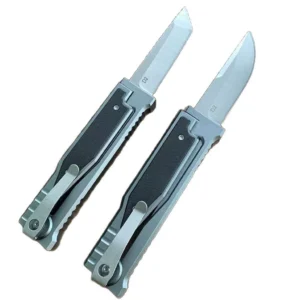
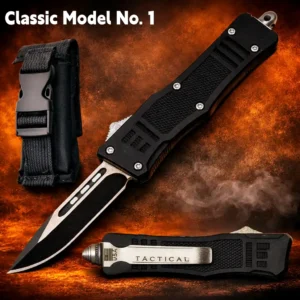
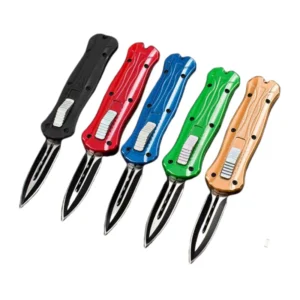
Out-the-front designs, often shortened to OTF, deploy the blade straight out of the front of the handle. This gives them a compact shape and a distinctive mechanism. For buyers looking for this style, the OTF/AUTO knife wholesale category is a useful place to compare options, finishes, and deployment styles.
Spring-assisted folders
Spring-assisted knives are not always automatic in the strictest sense, but they are often grouped with fast-opening knives because they open quickly once the blade is started. The user begins the motion, and the spring helps complete it. This makes them popular with shoppers who want quick one-handed opening without the same mechanism as a fully automatic model.
Why the mechanism matters to buyers
For retail customers, the appeal is speed and convenience. For store owners and distributors, the mechanism affects product quality, customer satisfaction, and return rates. A well-made flick knife should open consistently, lock securely, and feel solid in the hand. Poorly made models may have weak springs, blade play, inconsistent deployment, or locks that do not inspire confidence.
If you buy for resale, the mechanism also influences how the knife is displayed, explained, and serviced. Customers often ask whether the action is smooth, whether the blade opens reliably, and whether the knife feels durable after repeated use. These are practical questions that matter more than marketing language.
What to look for in a quality flick knife
When evaluating inventory for a shop, online store, or distribution program, the best choices usually share a few traits:
- Consistent deployment: The blade opens the same way each time without sticking.
- Secure lockup: Once open, the blade should stay firmly in place.
- Solid handle materials: Aluminum, steel, G10, and other durable materials can improve feel and longevity.
- Comfortable ergonomics: A good grip matters for handling, display, and customer satisfaction.
- Reasonable blade alignment: The blade should sit centered and close without rubbing excessively.
- Reliable finishing: Clean edges, smooth pivots, and good assembly often signal better manufacturing control.
Wholesale buyers should also consider how a model photographs, how it feels in hand, and whether it fits the price point of their customer base. A knife that looks premium but feels loose will usually create more problems than sales.
Common mistakes people make when choosing one
One of the biggest mistakes is focusing only on how fast the knife opens. Speed alone does not make a good product. Buyers should also look at lock strength, build quality, blade finish, and overall consistency. Another common mistake is assuming every flick knife is the same. Side-opening automatic knives, OTF knives, and spring-assisted folders serve different preferences and should not be treated as interchangeable.
Retailers also sometimes underestimate how important packaging and presentation are. Clear product descriptions, basic safety information, and a clean display can help reduce confusion. For B2B buyers, another mistake is ordering too narrowly. A balanced assortment of sizes, handle materials, and opening styles usually performs better than a single look across every price tier.
Safety, storage, and responsible ownership
Because these knives open quickly, responsible storage and handling matter. Keep them away from children, store them in a secure place, and make sure users understand local rules before carrying or using one. Laws can vary widely by state, country, and municipality, so buyers and sellers should verify current local requirements rather than rely on general assumptions.
For wholesalers and shop owners, basic safety messaging helps customers use the product appropriately. It is also smart to include reminders about proper maintenance, such as keeping the pivot clean, avoiding unnecessary force, and checking the lock or deployment system periodically. A well-maintained knife usually performs better and lasts longer.
How wholesale buyers can evaluate inventory
When sourcing flick knives for resale, the best approach is to judge each item as both a product and a customer experience. Ask whether the knife feels dependable, whether the opening action is smooth, and whether the design fits the audience you serve. A collector-focused customer may want a premium finish and distinctive mechanism, while a general retail buyer may prefer straightforward value and durability.
Wholesale sourcing also benefits from consistency across batches. If you are stocking multiple units, look for models that are repeatable in quality, easy to describe, and simple for customers to understand. That makes merchandising easier and reduces post-sale questions. For buyers building a broader automatic knife selection, the automatic OTF knife wholesale selection can be a strong category to compare alongside side-opening styles.
Practical FAQ
Is a flick knife the same as an automatic knife?
People often use the terms interchangeably, but not always accurately. In everyday conversation, “flick knife” can describe any fast-opening knife. In product terms, it may refer to side-opening automatics, OTF knives, or even spring-assisted folders depending on the context.
What makes the blade open so quickly?
A spring or tension system stores energy inside the handle. When the release mechanism is activated, that energy moves the blade into the open position. The design and quality of that system determine how fast and smooth the action feels.
Why do some models feel stronger than others?
Build quality, pivot design, spring strength, lockup, and handle materials all affect the feel. A knife with tighter manufacturing tolerances often feels more solid and dependable than a cheaper model with loose fit and finish.
What should store buyers ask before placing an order?
Ask about deployment style, materials, lock type, consistency across units, and how the product is packaged. If you sell online, also consider how clearly the mechanism can be described to customers and whether the product photos show the key details.
Can these knives be carried everywhere?
No single answer applies everywhere. Rules vary by location, and some areas restrict certain knife types or carrying methods. Buyers and users should check local laws before carrying, displaying, or reselling these products.
The bottom line
A flick knife works by releasing stored tension or spring power to open the blade quickly and lock it in place. The mechanism may be side-opening, out-the-front, or spring-assisted, but the purpose is the same: fast, controlled deployment in a compact package. For shoppers, the most important factors are safety, reliability, and comfort. For wholesale buyers, the best products are the ones that combine dependable action, solid construction, and clear customer appeal.