




Can I Have a Pocket Knife in My Checked Bag? What Travelers Should Know

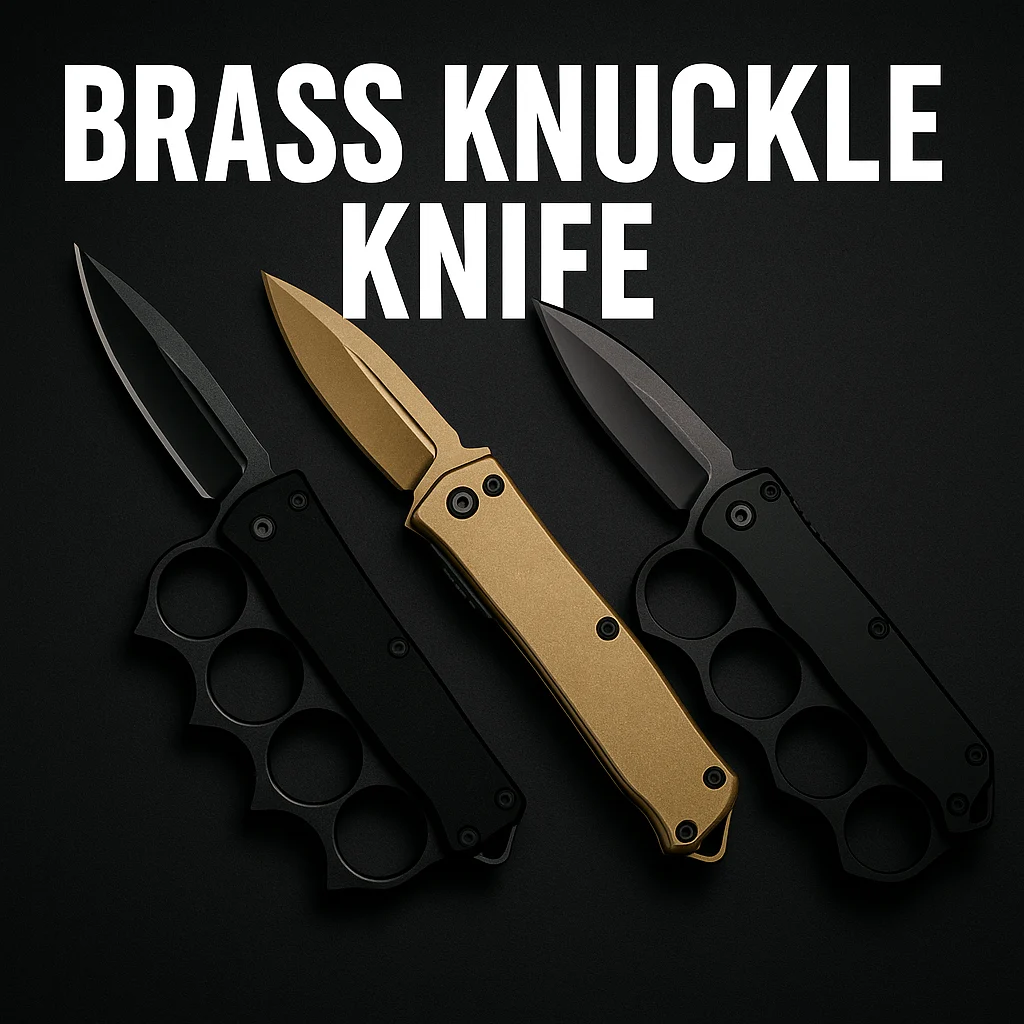
Yes, in many cases you can have a pocket knife in your checked bag, but it depends on the airline, the country, and the rules that apply where you are traveling. In the U.S., pocket knives are generally not allowed in carry-on bags, but they are commonly permitted in checked luggage if they are packed safely and comply with current security and local laws. Before you travel, always verify the latest airport and destination rules, because policies can change and local restrictions may be stricter than general guidance.
What the checked-bag rule usually means
For most travelers, the key difference is simple: a pocket knife that would be stopped at the security checkpoint can often go in checked luggage instead. That said, “allowed” does not mean “anything goes.” Security officers and airline staff may still inspect bags, and some knife types are treated differently depending on blade size, locking mechanism, automatic opening features, or destination laws.
If you are packing for a trip, think of the checked bag as a place for items that are not needed during the flight and that are secured well enough not to injure baggage handlers, inspectors, or you when you open your suitcase later.
Why pocket knives are treated differently in checked luggage
Air travel rules focus on cabin safety. In the passenger cabin, even a small blade can be considered a security risk, so pocket knives are usually prohibited in carry-ons. In checked baggage, the risk profile changes because passengers do not have access to the bag in flight. That is why many standard folding knives can be packed in checked luggage.
Even so, some knives may still raise issues if they are unusually large, disguised as another item, or illegal in the place you are departing from or arriving in. International travel adds another layer, since customs and local weapon laws can be stricter than airport screening rules.
How to pack a pocket knife safely in a checked bag
Safe packing matters just as much as the rule itself. A loose knife can damage your belongings or create a hazard when you or a baggage handler reaches into the suitcase. A few practical steps can reduce the risk:
- Close the blade fully and lock it if the knife has a locking mechanism.
- Place the knife in a sheath, blade guard, or protective pouch.
- Wrap it so it cannot open accidentally inside the bag.
- Store it in a section of the suitcase where it will not shift around.
- Keep it away from items that could be damaged by contact with metal edges.
If you are traveling with more than one knife, separate them and secure each one individually. For resellers, distributors, or store buyers who travel with samples, packaging quality matters. A compact display case or protective sleeve can help keep folding knives organized and reduce damage during transit.
When a pocket knife may still be a problem
Some knives are more likely to draw attention than a basic folding knife. This can include automatic knives, assisted-opening knives, large tactical folders, or knives with unusual blade shapes. Even if your bag is checked, those items may be restricted by local law or airline policy.
It is also wise to be careful with knives that have sentimental value, collectible finishes, or premium materials. A costly knife can be lost, confiscated, or damaged if it is not packed well. Travelers who carry inventory for retail or wholesale purposes should also confirm whether the destination country allows import of the specific product category.
Examples of common travel mistakes
- Leaving a pocket knife in a carry-on by accident.
- Packing a knife loose in the suitcase with no blade protection.
- Assuming domestic rules apply to an international trip.
- Ignoring state, provincial, or city restrictions at the destination.
- Traveling with a knife that is legal at home but restricted elsewhere.
What buyers should look for in a travel-friendly folding knife
If you sell knives or buy inventory for a store, travel-friendly models tend to be the easiest for customers to understand and use responsibly. Many shoppers prefer compact folding knives with a controlled blade length, a secure lock, and a pocket clip that keeps the knife closed and accessible when not in transit.
For wholesale buyers, practical features often matter more than flashy styling. Consider these buyer criteria when selecting folding knives for travel-conscious customers:
- Compact size: Easier to store and less likely to cause baggage issues.
- Secure lockup: Helps keep the blade closed during transport.
- Protective packaging: Useful for retail display and safe travel.
- Durable materials: Better for repeated handling and shipping.
- Clear product descriptions: Helps customers understand lawful use and care.
For a broader selection of folding models that can fit different retail and wholesale needs, you can review the folding knife wholesale category.
Traveling within the U.S. versus flying internationally
Domestic trips are usually more straightforward, but you should still verify current TSA-style guidance and airline rules before flying. International travel can be much more complicated. A pocket knife that is fine in one country may be restricted in another, and customs rules may affect both entry and return travel.
When crossing borders, check the rules for:
- the departure airport and country,
- the destination country and any transit stops,
- local knife possession laws once you arrive, and
- customs declarations if you are carrying inventory or gifts.
Business travelers and wholesale buyers should be especially careful if they are bringing samples for meetings or trade events. A product that is legal to sell in one market may not be legal to import or carry in another.
Should you pack a pocket knife at all?
Sometimes the best answer is not whether you can pack it, but whether you should. If you do not need the knife at your destination, leaving it at home may be the simplest option. That is especially true for expensive collectible pieces, automatic knives, or any knife you would be upset to lose.
If you do need a tool for camping, utility work, or product demonstrations, choose a modest folding knife that is easy to secure and easy to explain if questioned. For retailers and distributors, this is one reason many buyers favor practical everyday folders over specialized or highly aggressive-looking designs for general travel and resale.
Practical FAQ for travelers and buyers
Can I put a pocket knife in my checked bag on a domestic flight?
Often yes, but you should verify the current airline and airport rules before you fly. Packing it securely is important, and carry-on rules are usually much stricter than checked-bag rules.
Can I carry a pocket knife in my carry-on if it is very small?
Usually no. Even small blades are commonly prohibited in the cabin. Checked luggage is the safer place for most knives if they are allowed at all.
Do I need to declare the knife at the airport?
In many cases, no special declaration is required for a standard pocket knife in checked baggage, but procedures can vary. If you are traveling internationally or carrying multiple knives for business, check with the airline and customs authorities in advance.
What if my knife is confiscated?
Policies differ, but confiscation can happen if the item is not allowed or is packed improperly. To reduce the risk, review the rules before travel and avoid bringing restricted models.
What is the safest option for store buyers traveling with samples?
Choose compact folding knives with protective packaging, clear labeling, and secure blade retention. This makes transport easier and helps keep inventory in good condition.
Final takeaways
A pocket knife can often go in a checked bag, but travelers should not treat that as an automatic yes. The safest approach is to confirm the current rules, pack the knife securely, and consider the laws at every stop on the itinerary. For shoppers, retailers, and wholesale buyers, practical folding knives with reliable construction and protective packaging are usually the easiest to transport and the simplest to merchandise responsibly.
If you are stocking up for retail or comparing product options for travel-friendly customers, focus on folding knives that balance durability, safety, and clear presentation. That keeps the buying decision easier for your customers and reduces avoidable problems during shipping and travel.