




How to Remove Rust from a Stainless Steel Knife

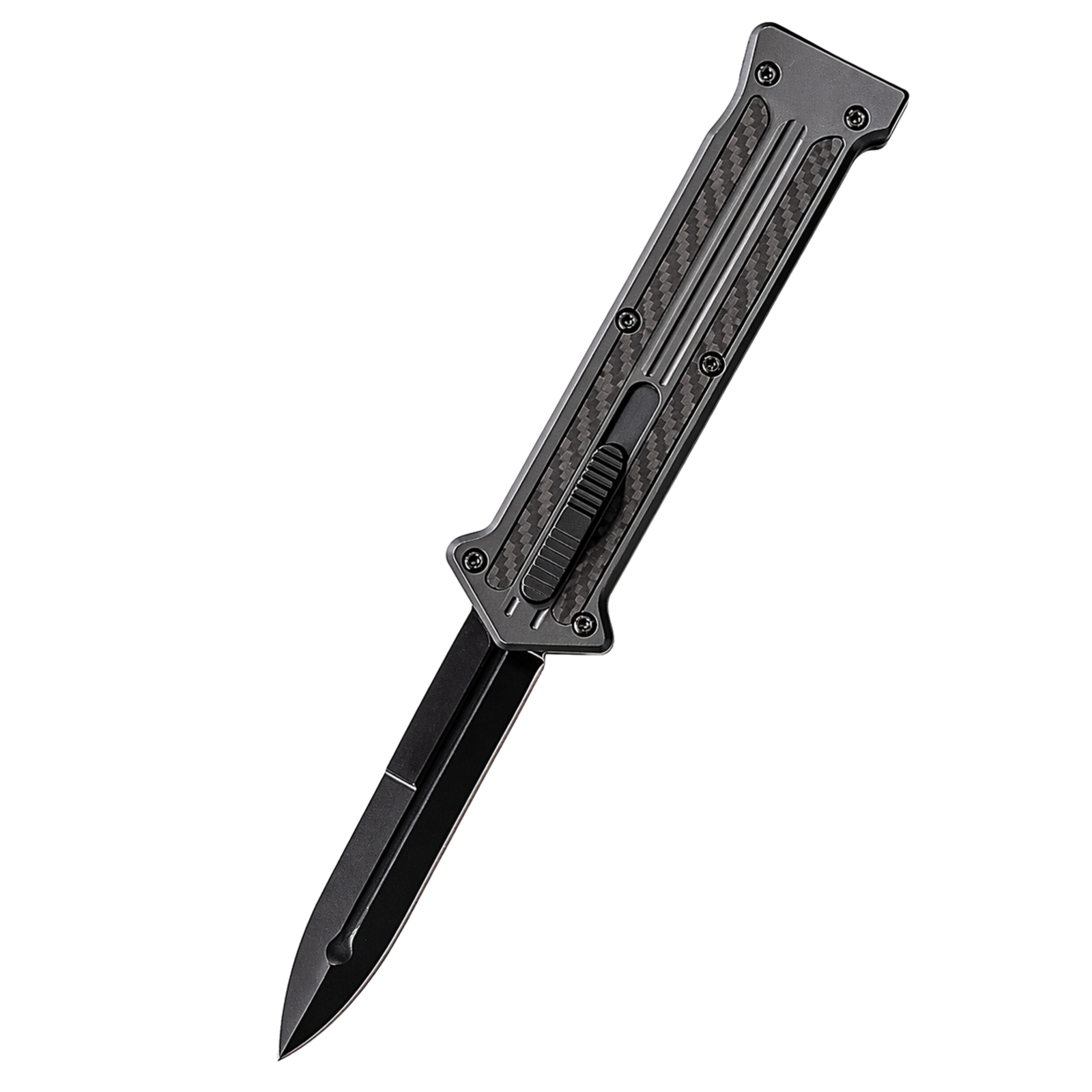
If you need to remove rust from a stainless steel knife, start with warm water, mild dish soap, and a soft cloth, then use a gentle abrasive like baking soda paste or a non-scratch pad on the affected spots. Most light rust can be lifted without damaging the blade if you clean carefully, dry it completely, and finish with a light protective oil. The key is to act early, avoid harsh abrasives, and make sure the knife is fully dry before storage.
Why stainless steel knives can still rust
Stainless steel resists corrosion better than ordinary steel, but it is not rust-proof. Moisture, salt, acidic food residue, dishwasher detergents, and long storage in a damp environment can all break down the protective surface. Even a high-quality blade may show orange or brown spots if it is left wet in a sink, stored in a sheath while damp, or exposed to salty air.
For retail buyers and wholesale customers alike, this matters because rust complaints usually come from storage and care issues rather than from the blade material alone. A knife that is well made, properly finished, and maintained will usually stay in much better condition over time.
The safest first step: clean and inspect the blade
Before trying to scrub anything off, wash the knife with warm water and a small amount of dish soap. Use a soft sponge or cloth, then dry it thoroughly with a towel. This removes grease and grime so you can see whether the problem is actual rust, discoloration, or food staining.
Look closely at the edge, spine, and any etched or textured areas. Surface rust often appears as small orange freckles or thin brown film. If you see pitting, deep rough spots, or flaking metal, the blade may need more than simple cleaning. In that case, gentle treatment is still a good start, but severe corrosion should be assessed carefully before the knife is put back into regular use.
How to remove rust from a stainless steel knife at home
Baking soda paste for light rust
Mix baking soda with a little water until it forms a thick paste. Apply it to the rusty area and let it sit for a few minutes. Then rub gently with a soft cloth, sponge, or non-scratch pad, moving in small circles. Rinse and dry fully. This method works well for light surface rust and is a good first choice because it is mild and easy to control.
White vinegar for stubborn spots
If the rust is more noticeable, you can use white vinegar on a cloth or cotton pad. Hold it on the spot for a short time, then wipe gently. Do not soak the knife for long periods, especially if the handle contains wood, bone, or other moisture-sensitive materials. Afterward, wash the blade with soap and water, then dry it completely.
Non-scratch scrubbing tools
A nylon scrub pad, soft toothbrush, or fine non-scratch cleaning pad can help lift rust from grooves and near the spine. Work carefully and avoid aggressive scrubbing on polished blades. The goal is to remove the corrosion, not to remove the finish.
Commercial rust removers
There are products made for stainless steel and metal care that can help with stubborn rust. Choose one that is suitable for kitchen or knife use, and follow the label directions closely. Test it on a small area first if you are unsure. For wholesale buyers stocking maintenance products, simple and clearly labeled care items are often the easiest for customers to use correctly.
What not to do when removing rust
- Do not use steel wool unless you are certain it will not scratch the finish.
- Do not leave the knife soaking in vinegar or water for long periods.
- Do not use bleach or harsh chlorine cleaners, which can damage stainless steel.
- Do not put a wet knife back into a sheath, drawer organizer, or display case.
- Do not try to scrape rust off with a hard metal tool that can gouge the blade.
A common mistake is overcorrecting. People often scrub too hard, which removes the rust but leaves visible scratches. A cleaner blade is better than a rusty one, but a damaged finish can hold moisture and make future corrosion more likely.
How to protect the blade after cleaning
Once the rust is gone, dry the knife carefully, including the handle junction and any crevices. Then apply a very light coat of food-safe mineral oil or a similar protective product if appropriate for the knife’s intended use. This creates a barrier against moisture and helps the blade stay in better condition between uses.
Storage matters just as much as cleaning. Keep knives in a dry place with good airflow. If they are displayed for retail or stored in bulk, avoid sealed packaging that traps humidity unless the product is properly protected. For a wider selection of inventory designed for blade care and storage, many buyers also review the OTF and auto knife wholesale category when planning assortments for customers who want durable, easy-to-maintain options.
When rust is a sign of a bigger issue
Light surface rust is usually manageable, but repeated rust spots can point to poor steel quality, weak finishing, or ongoing exposure to moisture. If a knife rusts quickly after cleaning, check whether it is being stored in a humid environment, handled with salty hands, or left in a sheath for too long. For distributors and store buyers, these patterns are worth noticing because they affect return rates and customer satisfaction.
Deep pitting, edge damage, or corrosion near moving parts can also affect performance. In those cases, replacement may be the better option, especially for knives that are sold as premium or collector-grade items.
Buyer criteria that help reduce rust problems
When choosing knives for resale or wholesale purchase, look beyond appearance. A good stainless steel knife should have a consistent finish, solid fit and finish, and clear care guidance for the end user. Buyers often benefit from asking about steel type, blade coating, handle materials, and packaging that protects against humidity during shipping and storage.
- Choose blades with a finish that suits the intended environment.
- Consider handle materials that tolerate moisture well.
- Ask whether the product arrives oiled or protected for transit.
- Look for suppliers that provide clear maintenance recommendations.
- For bulk purchasing, confirm how items are packed to reduce corrosion in storage.
If you are sourcing for a store, online resale, or distribution program, it is also useful to work with a supplier that understands product presentation and care. You can review options and request pricing through the wholesale inquiry form when you are planning inventory or comparing product lines.
Simple prevention habits that make a big difference
The easiest way to avoid rust is to dry the knife immediately after washing. Do not leave it in a sink, on a wet towel, or in a closed container while damp. Clean food residue off quickly, especially after cutting salty or acidic ingredients. If the knife is used in a humid area or stored for long periods, check it periodically and reapply protection when needed.
For retail customers, a short care card can reduce complaints and improve long-term satisfaction. For wholesale buyers, including basic maintenance guidance with the product can help customers keep the knife looking and performing better.
FAQ: rust removal on stainless steel knives
Can stainless steel knives rust at all?
Yes. Stainless steel resists rust, but it can still corrode if it is exposed to moisture, salt, or poor storage conditions.
Is vinegar safe for removing rust?
White vinegar can help with light rust, but it should be used briefly and followed by washing and drying. Avoid long soaking.
Will baking soda scratch the blade?
Baking soda is usually gentle, especially when used as a paste with a soft cloth. Still, test lightly and avoid forceful scrubbing.
Should I use oil after cleaning?
A thin protective coat can help reduce future rust, provided it is appropriate for the knife’s intended use and storage conditions.
When should I replace the knife instead of cleaning it?
If the blade has deep pitting, repeated corrosion, or visible structural damage, replacement may be the safer and more practical option.
Removing rust from a stainless steel knife is usually straightforward when you use mild methods, dry the blade fully, and prevent moisture from lingering. Whether you are maintaining a personal knife or selecting products for resale, the same basics apply: choose quality materials, keep them dry, and store them properly. Those habits protect the blade, improve presentation, and help the knife stay ready for everyday use.