




Can I Pack a Pocket Knife in a Checked Bag?

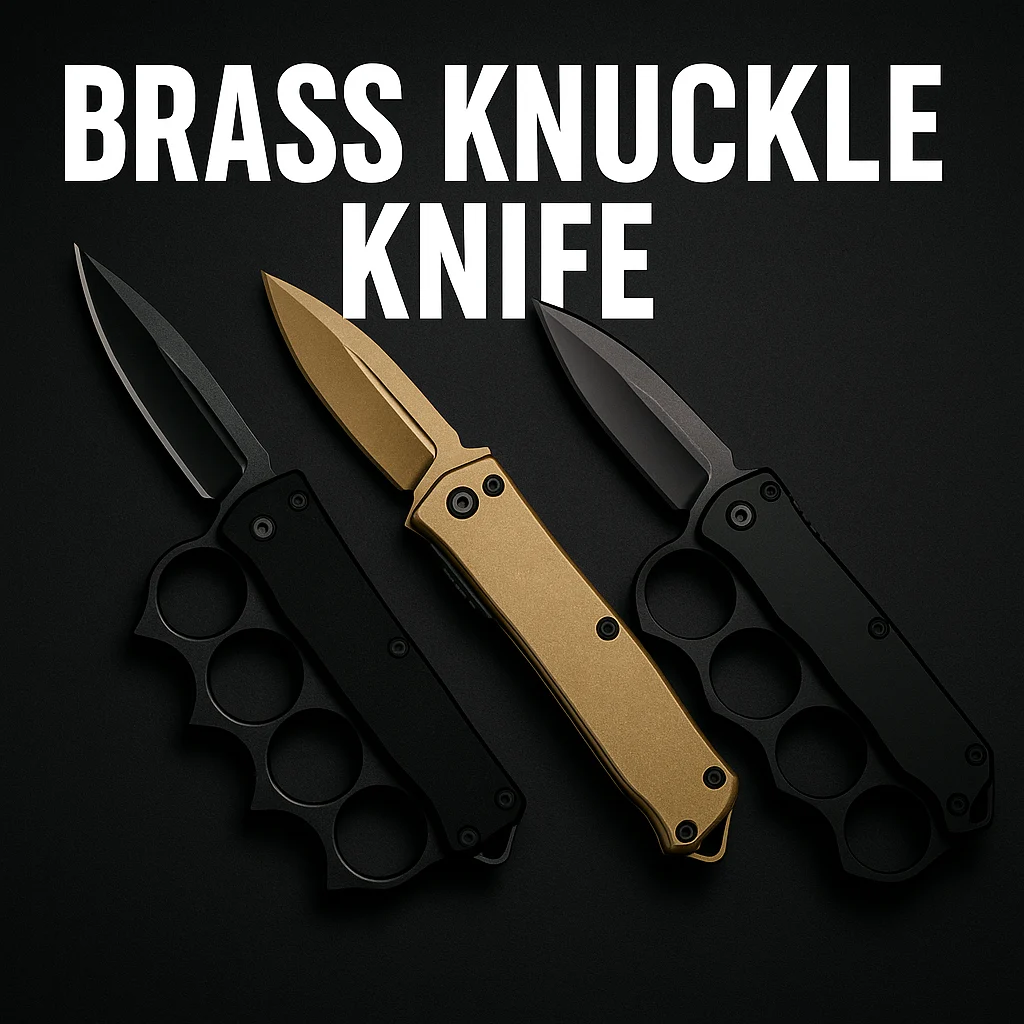
If you are asking, “can I pack a pocket knife in a checked bag,” the general answer is yes: pocket knives are usually allowed in checked luggage, while they are not permitted in carry-on bags. The important part is making sure the knife is securely packed, protected from damage, and compliant with the rules of your airline, airport, and destination. Because laws and policies can vary, travelers should always verify current rules before flying.
What travelers should know before packing a pocket knife
For most domestic flights in the United States, a folding knife or pocket knife may go in checked baggage as long as it is not accessible in the cabin. That said, the fact that something is allowed in checked luggage does not mean it should be tossed loosely into a suitcase. A knife with a sharp blade can damage clothing, puncture bags, or injure baggage handlers if it is not secured properly.
For retail buyers, resellers, and wholesale customers, this matters because customers often assume all travel rules are the same. They are not. Blade length, locking mechanisms, local regulations, and international customs rules can all affect whether a knife is legal to transport. If you stock folding knives for customers who travel, it helps to understand the basics so you can answer questions confidently.
How to pack a pocket knife in checked luggage safely
The safest approach is to make the knife inaccessible, protected, and unlikely to open during transit. A pocket knife should be closed, locked if it has a locking mechanism, and placed in a sheath, case, or wrapped protective pouch. Then pack it in the center of the suitcase among soft items so it cannot shift around.
Simple packing steps that help
- Close the blade fully before packing.
- Use a sheath, blade cover, or padded case if available.
- Wrap the knife in clothing or place it in a small secure pouch.
- Position it in the middle of the suitcase, not near the zipper or outer wall.
- Keep it separate from keys, tools, or other metal items that could scratch or open the blade.
If the knife is a premium item, a collectible, or part of a store display set, a hard case may be worth the extra protection. Wholesale buyers who source travel-friendly folding knives often look for models with reliable locks, compact sizes, and durable finishes because these features reduce damage during transport and everyday carry.
What not to do when traveling with a folding knife
One of the biggest mistakes is placing a pocket knife in a carry-on bag. Even a small folding knife can be removed by security if it is found in the cabin bag, and that can create delays, fees, or confiscation. Another common mistake is leaving the knife loose in checked luggage where it can open during handling.
Travelers should also avoid packing knives in outer pockets, toiletry kits, or laptop sleeves where they may be easy to forget. If you are carrying multiple knives for resale, display, or sample review, keep them organized and clearly separated from items you will need during the trip.
How airline and airport rules can differ
In many cases, TSA-type screening rules address whether an item can go in the cabin, but they do not replace state, local, or international laws. A pocket knife that is acceptable in one place may be restricted in another. Some airports, countries, and carriers have additional requirements, especially for blade length, assisted opening designs, or knives with unusual mechanisms.
That is why it is smart to check:
- Airline baggage policies
- Departure and destination airport rules
- State or local knife laws
- International customs and import restrictions
If you are a distributor or reseller shipping to customers who travel frequently, it helps to describe products accurately and avoid making broad claims about travel legality. General guidance is useful, but final compliance depends on where the knife is carried and who is carrying it.
What types of pocket knives are easiest to travel with
Not all folding knives are equally convenient for checked baggage. Smaller everyday carry folders, plain-edge models, and knives with secure locking systems are often easier for customers to pack and store responsibly. Models with decorative features, oversized blades, or unusual opening systems may face more questions from travelers or security personnel.
When choosing inventory for a wholesale program, many buyers look for practical features such as:
- Compact closed length for easier packing
- Durable handle materials that resist wear
- Reliable blade retention and locking
- Corrosion-resistant finishes for storage and travel
- Simple, straightforward design for broad retail appeal
If you are building a product lineup, browse the folding knife wholesale category to compare styles that work well for everyday carry, general utility, and travel-conscious customers.
Why safe packing matters for retailers and wholesale buyers
For B2B buyers, travel questions are not just about compliance. They also affect customer satisfaction and returns. A shopper who buys a knife for a trip wants clear guidance on how to transport it safely. A store owner or online seller who can explain checked-bag handling in plain language builds trust and reduces confusion.
Wholesale sourcing also gives buyers an opportunity to choose knives that are easier to merchandise with practical use cases. For example, a compact folding knife with a secure lock and a protective pouch is easier to present as a responsible utility tool than a large tactical-style knife with unclear travel expectations. That can be especially helpful for gift sets, outdoor stores, farm and ranch retailers, and general merchandise sellers.
Common packing mistakes to avoid
Even experienced travelers make simple errors when packing knives. These mistakes are easy to avoid if you plan ahead:
- Forgetting the knife in a carry-on after a last-minute bag swap.
- Leaving the blade unprotected inside a suitcase.
- Assuming one country’s rules apply everywhere.
- Packing several knives together without padding or separation.
- Relying on memory instead of checking current travel guidance before departure.
If you are selling knives online or through retail channels, it is helpful to include basic care and transport notes with the product. That small detail can reduce returns and make customers feel more confident about the purchase.
FAQ: pocket knife travel and checked bags
Can I pack a pocket knife in a checked bag on a domestic flight?
In many cases, yes. Pocket knives are generally allowed in checked luggage, but they should not be placed in carry-on bags. Always confirm current rules with your airline and airport before traveling.
Should I lock the knife before packing it?
If the knife has a locking mechanism, closing and locking it in the closed position, or otherwise securing it so it cannot open, is a good safety step. The main goal is to prevent accidental opening during handling.
Can I pack multiple knives in one checked suitcase?
Often yes, but each knife should be packed safely and in compliance with applicable laws. If you are traveling with inventory, samples, or display products, keep them organized and protected from movement.
What if I am flying internationally?
International travel can involve stricter or different rules. Check the destination country’s knife laws, customs rules, and airline policies before you pack anything.
What is the best way to protect a pocket knife in luggage?
A sheath, pouch, or hard case is best, followed by placement in the center of the suitcase surrounded by soft items. This helps protect both the knife and your belongings.
Practical takeaway for shoppers and buyers
If you want the short answer, a pocket knife can usually go in checked baggage, not in carry-on luggage. Pack it closed, secure it well, and verify the rules that apply to your trip. For shoppers, that means fewer surprises at the airport. For store owners and wholesale buyers, it means choosing folding knives that are easy to explain, easy to store, and suitable for responsible everyday use.
When you source inventory with travel and utility in mind, you make it easier for customers to buy with confidence and use their knives safely. That is good for the traveler, good for the retailer, and good for the brand.