




Which OTF Knife Finishes Sell Best? A Wholesale Buyer’s Decision Guide

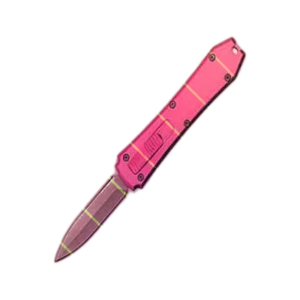
Black coated and stonewashed finishes usually sell best on OTF knives, with satin as a dependable second-tier option and bright specialty finishes as narrower-volume choices. As a practical wholesale benchmark, a balanced OTF program often lands in a rough mix of 40% to 60% black coated, 20% to 35% stonewashed, and 10% to 25% satin, with the exact split changing by channel, price point, and handle material. These figures are typical ranges, not universal market facts.
The reason is specific to OTF knives, not just knives in general. OTF buyers care about how the blade finish looks after repeated in-and-out deployment, how well it hides track dust and pocket wear, and whether the finish matches the tactical or premium identity of the handle. If you are building a line from current OTF knife models, finish choice affects sell-through, return rates, and whether the knife feels right for your customer the moment it is fired open.
A buyer rubric: which finishes move fastest and why
Use this simple rubric when choosing blade finishes for OTF knives: match the finish to the buyer’s visual expectation, tolerance for wear marks, and the knife’s deployment style identity.
- Black coated: strongest broad-market seller for tactical styling, EDC appeal, and color coordination with black or dark-anodized handles.
- Stonewashed: strong seller where users want low-maintenance appearance and less visible scratching after use and repeated deployment.
- Satin: steady seller for cleaner, more traditional presentation, especially on premium-looking hardware and simpler retail assortments.
- Two-tone or specialty finishes: best for visual differentiation, limited runs, and private-label collections, but usually lower-volume and more style-sensitive.
In plain terms: black coated wins the first click, stonewashed wins the lowest complaint rate, and satin wins the safest classic presentation. That is a useful wholesale shorthand when you need to decide assortments quickly.
The 4 variables that change the answer most
Four variables do most of the work in determining which OTF finish sells best in your business.
- Sales channel. Tactical e-commerce, gun-shop-style retail, outdoor stores, and lifestyle gift channels do not buy the same finish mix. Tactical channels lean heavily toward black. Outdoor and work-use channels often reward stonewash. Gift and display channels can support more satin and two-tone.
- Handle color and material. Black aluminum handles naturally pull black blades. OD green, FDE, and darker gray handles also pair well with black. Stonewashed blades often look strongest with raw metal, gray, or industrial-style handle finishes. Premium satin can work better with cleaner machining and brighter hardware.
- Price tier. Entry and mid-tier OTFs usually benefit from finishes that hide use and reduce cosmetic complaints. In higher tiers, buyers may pay more attention to visual refinement, grind lines, and contrast details, which can support satin or two-tone options.
- Expected use pattern. OTF knives get opened and closed repeatedly, often as much for mechanism enjoyment as cutting. That means visible rub, lint, and pocket contact matter more than on some side-opening autos. Finishes that disguise normal handling can outperform prettier finishes over time.
One legal and channel note: finish preference can shift with where and how the knife is sold, because some channels favor a more utilitarian look while others prefer a less aggressive visual profile. That is a merchandising issue, not legal advice.
Scenario comparison: what sells best in each wholesale lane
1) Tactical and blacked-out retail assortments
Best seller: black coated. If your buyers want an OTF to look fast, modern, and purpose-built, black coated blades usually lead. They photograph well, match common handle colors, and fit the visual expectation many consumers already have for OTF knives.
Watch-out: low-quality coatings can show edge contrast, drag marks, or uneven wear quickly. On OTF knives, that matters because repeated deployment draws attention to the blade every time it opens. If the coating looks cheap after a week, returns and negative reviews rise.
2) Work-use, utility, and lower-complaint programs
Best seller: stonewashed. Stonewash is often the smartest operational finish because it hides scratches, fingerprints, and small cosmetic marks better than satin or glossy coatings. For a worked example, if you sell to a retailer that wants fewer post-sale cosmetic complaints, stonewash may outperform black even if black gets more initial clicks.
Watch-out: weak or inconsistent stonewash can look flat or muddy, especially on lower-contrast blade shapes. Ask for photos under normal indoor light, not only dramatic studio lighting.
3) Clean premium presentation and giftable retail
Best seller: satin. Satin works when the rest of the knife looks precise and upscale. It can make grind geometry easier to see and gives a cleaner, more traditional blade appearance. This is often a good option for retailers that want an OTF to look less overtly tactical.
Watch-out: satin shows scratches and handling marks faster. If the knife is likely to be opened repeatedly at a counter or handled by many shoppers, the display sample can lose appeal sooner than a stonewashed version.
4) Private-label drops and collector-oriented releases
Best seller: two-tone or specialty finishes, in smaller runs. These finishes can create differentiation and support higher perceived value, especially when paired with distinct hardware, branding, or handle colors. They are useful when you need a model that does not look interchangeable with every other OTF in the case.
Watch-out: specialty finishes are easier to overbuy. They can be excellent for margin and branding, but they are usually not the safest core SKU.
Mistakes that hurt sell-through on OTF finishes
- Choosing finish by looks alone. The best-looking sample is not always the best-selling production finish. OTF buyers notice wear quickly because deployment is part of the ownership experience.
- Ignoring handle-blade pairing. A good finish can underperform if it clashes with the handle. Black blade plus black hardware plus black handle is a proven formula for OTFs. Satin on a rough tactical handle can feel mismatched.
- Overcommitting to specialty finishes. Limited-run colors and two-tone blades can be profitable, but they are better as controlled additions than as the backbone of the assortment.
- Not checking consistency across lots. Wholesale success depends on repeatable appearance. A finish that varies too much from batch to batch creates headaches for resellers and private-label buyers.
- Using one finish across every market. Retail counter sales, online tactical buyers, and private-label corporate buyers do not respond the same way. Finish planning should follow the channel.
Best quick test before you place the order
If you need a fast sanity check, use these three questions:
- Does the blade still look good after 50 demo deployments? This is especially important on OTFs because the opening action invites repeated handling.
- Does the finish match the handle color in normal room light? If it only looks right in edited photos, it is risky.
- Would your top reseller choose this as a core SKU or only as a novelty? Core SKUs deserve your larger MOQ.
A practical checklist for finish buying and MOQ planning
Use this checklist when you are choosing blade finishes or preparing a mixed order.
- Define the core channel. Tactical online, retail display, work-use, or private-label promo.
- Pick one anchor finish. Usually black coated or stonewashed.
- Add one safety finish. If black is your anchor, stonewash is the usual hedge. If stonewash is your anchor, satin can be the cleaner contrast option.
- Limit specialty finishes. Keep them for differentiation, not bulk volume, unless you already have proven demand.
- Check finish quality on the exact blade steel and grind. Some finishes look very different depending on the underlying blade treatment and geometry.
- Test real handling. Open and close the sample repeatedly, wipe it, pocket it, and inspect it under plain light.
- Confirm lot consistency and MOQ flexibility. If you are combining finishes in one order, discuss production options through the material and MOQ inquiry form.
As a practical wholesale benchmark, if you are launching a new OTF line without prior sales data, a smart starting assortment is one black coated core SKU, one stonewashed utility SKU, and one satin or two-tone variant only if the handle and channel support it. That mix covers the broadest demand without tying too much inventory to a style-led finish.
When this changes
The answer changes in edge cases. If your customer base is heavily collector-driven, color-matched to a brand identity, or focused on premium presentation over hard use, satin and specialty finishes can outsell stonewash. If your line is built around rugged utility or frequent demo handling, stonewash can become the top performer even when black coated gets more initial attention.
Do serrated or dagger-style OTF blades change finish demand?
Yes. More aggressive blade profiles often strengthen demand for black coated finishes because the overall look feels more cohesive. Utility-focused single-edge profiles often do especially well in stonewash because buyers expect visible use and easier cosmetic maintenance.
Should wholesalers stock all three core finishes at once?
Not automatically. If you are testing a new model, two finishes are usually enough: one high-appeal finish and one low-complaint finish. Add the third only after you know whether your buyers reward visual novelty or practical durability more strongly.